Science
Research, space, climate and discoveries.
More Science news
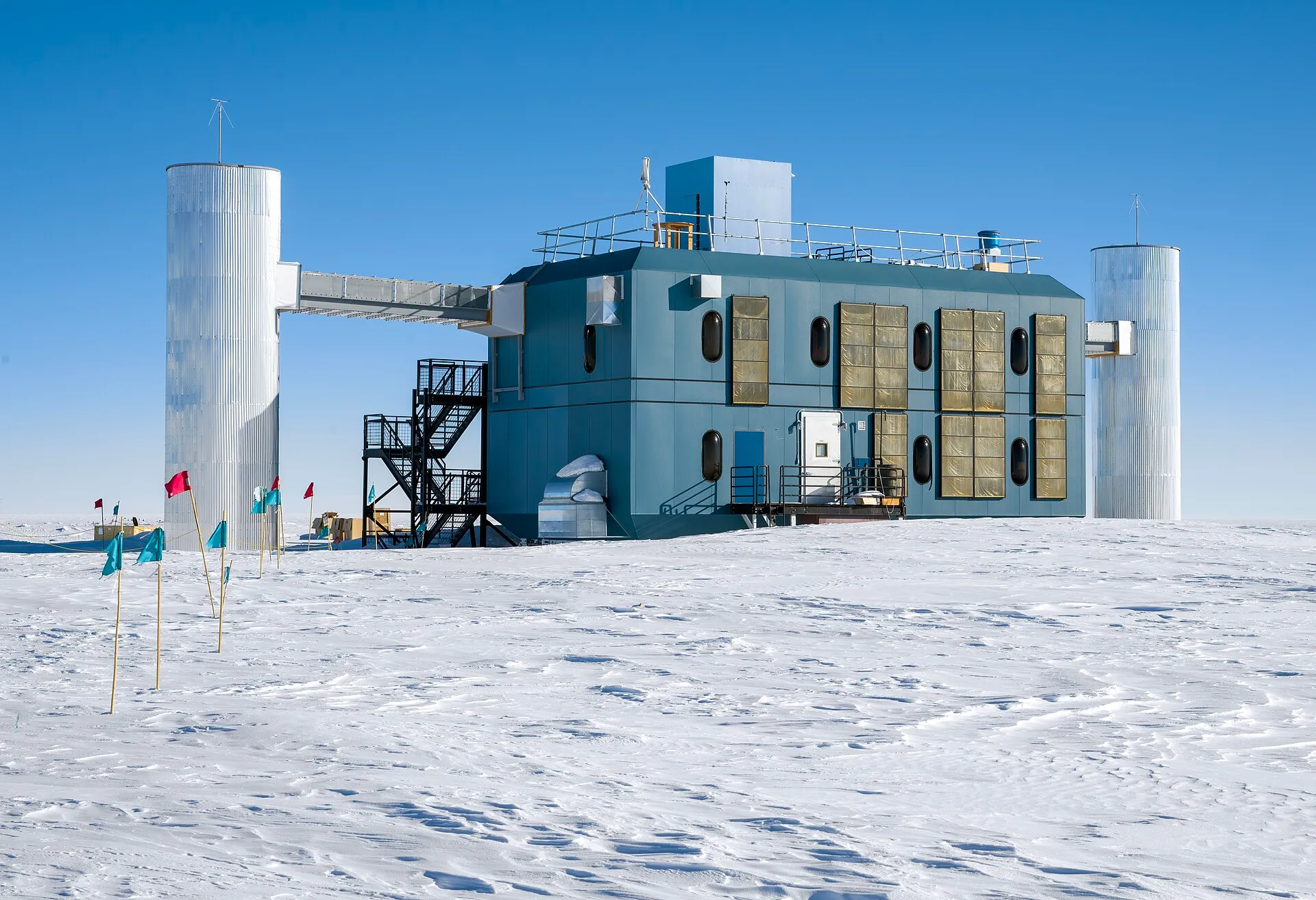
'Ghost Particles' Win the 2026 Nobel Prize in Physics as Francis Halzen Honoured for the IceCube Observatory
Francis Halzen has been awarded the 2026 Nobel Prize in Physics for creating the IceCube Neutrino Observatory — a cubic kilometre of Antarctic ice wired with thousands of sensors that listens for "ghost particles" from the most violent corners of the universe.
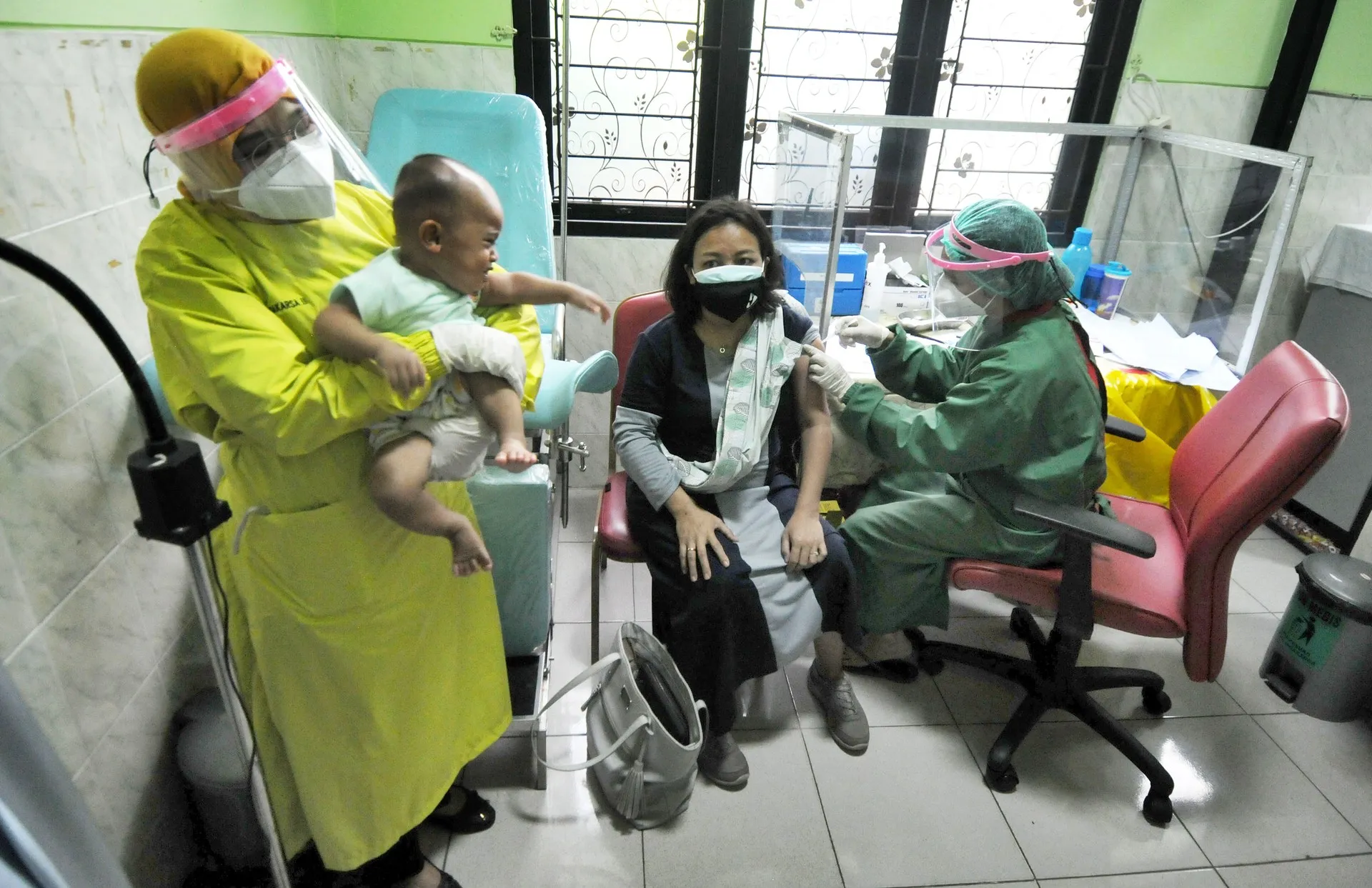
The Shropshire Mum Whose Jab Could Help Save Babies Across the World
A 32-year-old mother from Shropshire has become the first woman in Europe to receive an experimental vaccine against Group B streptococcus in pregnancy — joining a world-first trial that could one day save thousands of newborn lives.
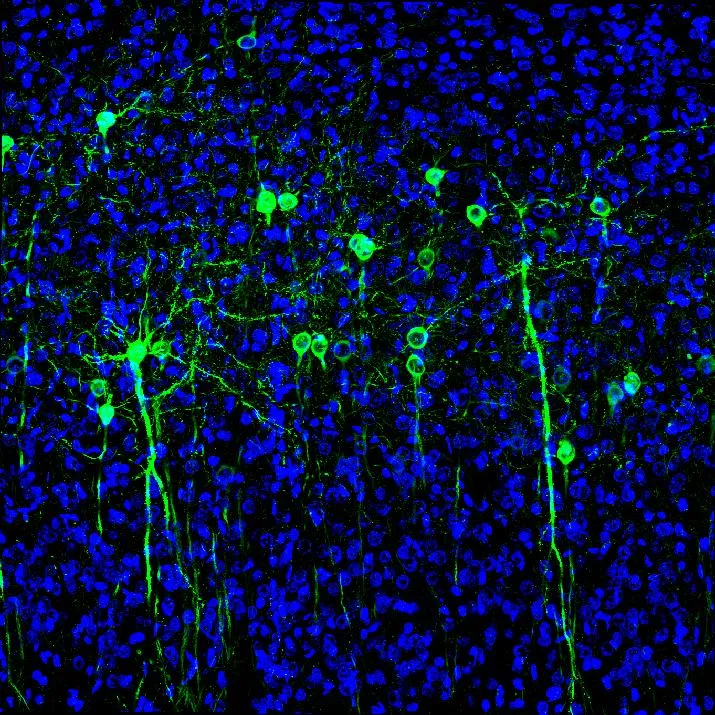
Nobel Prize Awarded for the Technique That Lets Scientists Switch Brain Cells On and Off With Light
Three scientists have been awarded the 2026 Nobel Prize in Physiology or Medicine for optogenetics, the revolutionary technique that uses light to switch individual nerve cells on and off — opening a window into how the brain processes memory, emotion and disease.
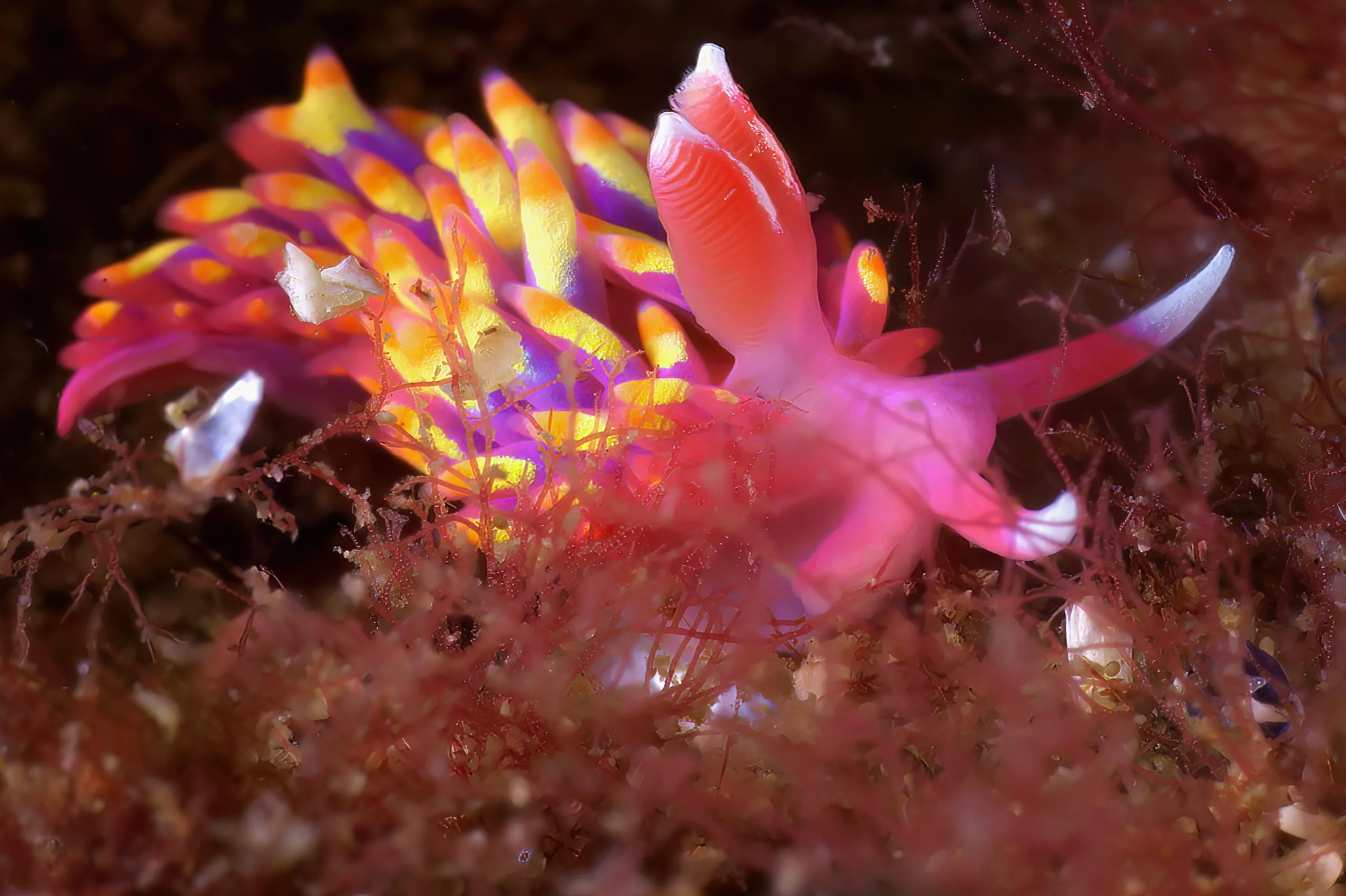
Rainbow Sea Slug Found in Cornwall Is a Stark Reminder of Climate Change
A rainbow sea slug found at Porthpean Beach, Cornwall, is the first recorded sighting there of a warm-water species increasingly seen on UK shores as the climate warms.
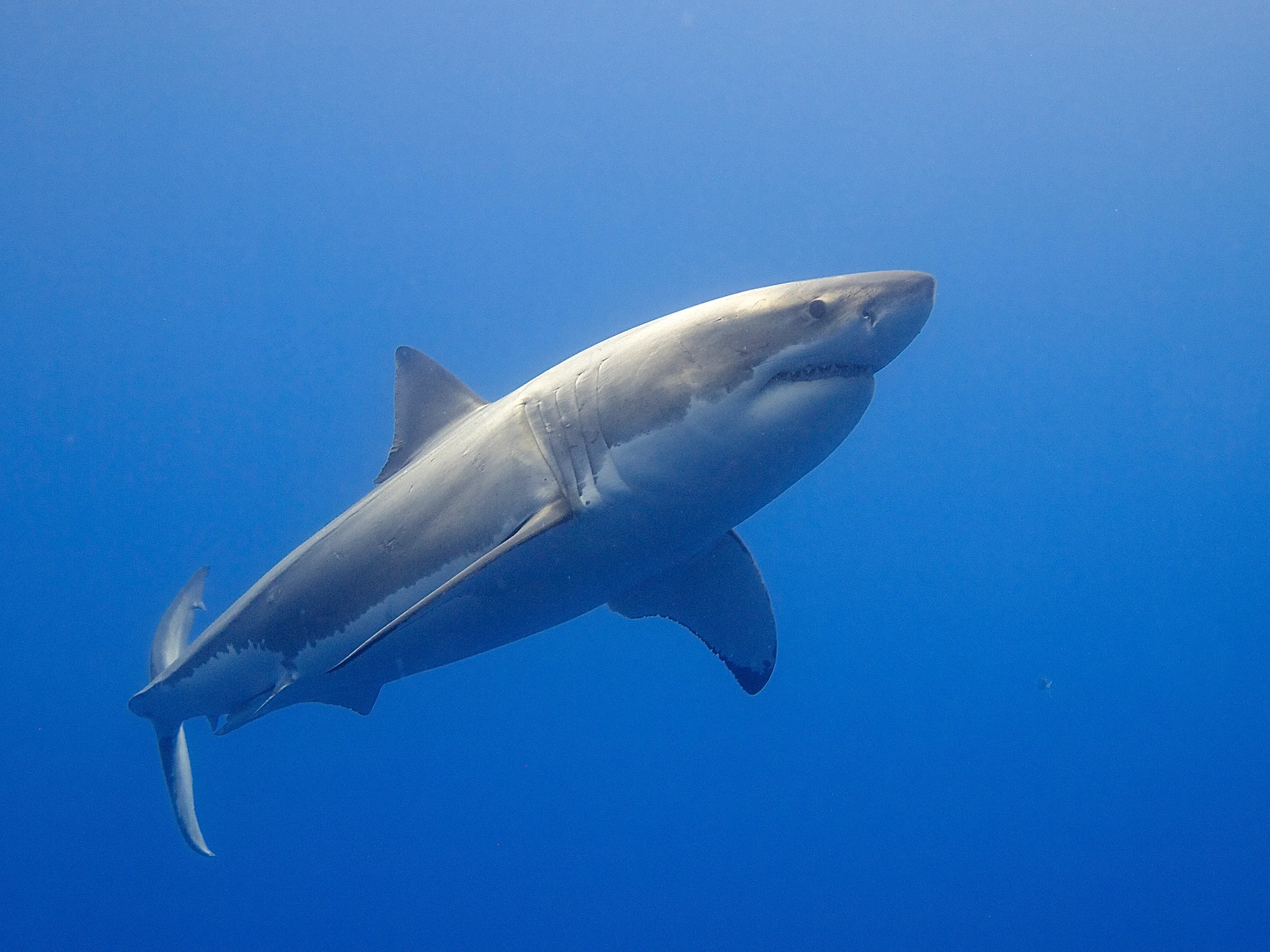
Great White Sharks Are Heading North as Canada's Atlantic Waters Warm
Great white sharks are appearing in growing numbers off Atlantic Canada, where a 14ft shark named Contender was tracked from Florida to Nova Scotia this summer.
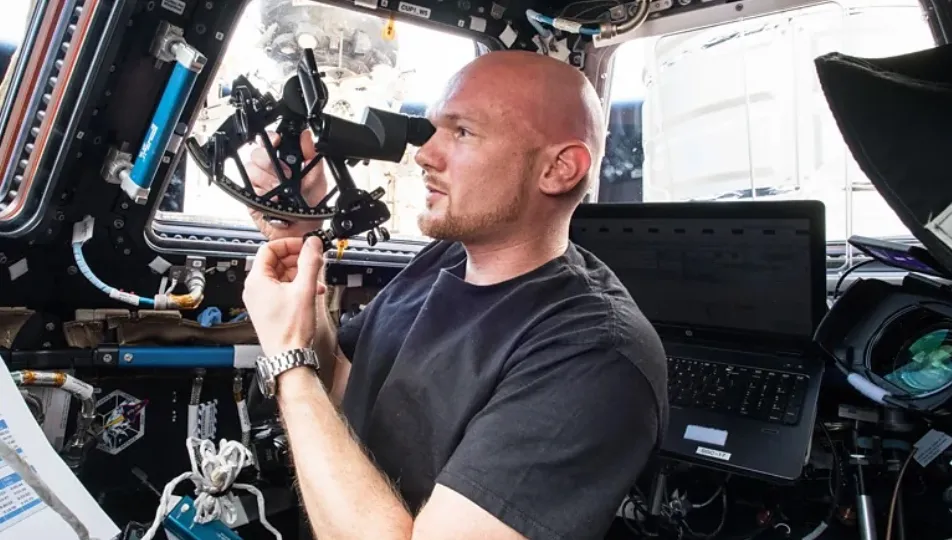
NASA Keeps a 300-Year-Old Navigation Tool Ready for Deep-Space Em
NASA is keeping a centuries-old navigation principle relevant to modern spaceflight, using sextants and optical navigation techniques as potential backups if astronauts lose electronic or Earth-based navigation support during missions to the Moon, Mars and beyond.
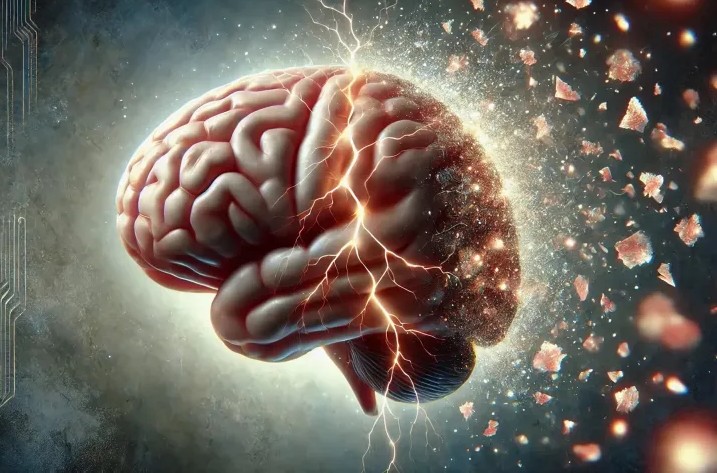
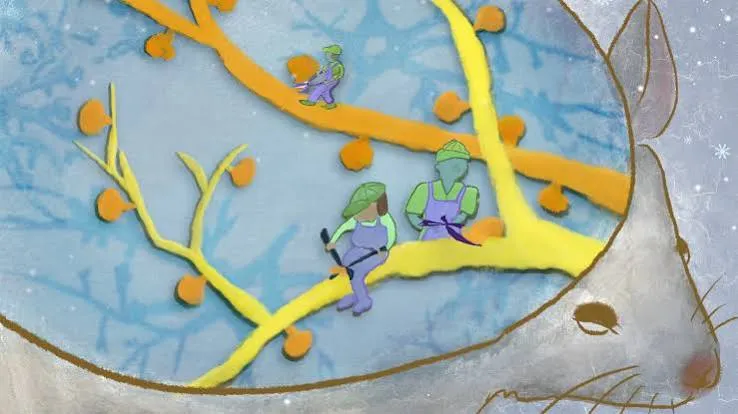
How Memory Retention Survives Hibernation in Mice
New research suggests that memory retention may depend less on preserving individual brain connections and more on protecting the overall architecture of neural networks. In mice placed into an artificial hibernation-like state, more than half of hippocampal synapses disappeared, yet previously learned memories remained intact.
NASA's Roman Space Telescope: Everything You Need to Know Before Its Historic Launch in August 2026
NASA's Roman Space Telescope: Everything You Need to Know Before Its Historic Launch in August 2026
Quantum Internet: The Next Revolution in Global Communication
The Quantum Internet is set to revolutionize global communication with virtually unbreakable security, quantum encryption, and next-generation networking technology.

Scientists May Have Discovered How Alzheimer's Disease Spreads Through the Brain
Scientists have discovered a new mechanism that may explain how Alzheimer's disease spreads through the brain. A protein called Arc, which normally helps brain cells communicate, appears to transport toxic Tau proteins from damaged neurons to healthy ones using tiny extracellular vesicles. The findings, based primarily on mouse studies, suggest that future treatments could slow Alzheimer's progression by blocking this transfer rather than removing Tau entirely. While the research is promising, experts caution that human studies are still needed before therapies can be developed.