In Short (TL;DR)Menna Hulme, 32, from Cockshutt near Ellesmere in Shropshire, became the first person in Europe to enrol in the BEATRIX study — the world's first large-scale phase 3 vaccine trial against Group B streptococcus (GBS) in pregnancy. She was vaccinated at 34 weeks pregnant at the Princess Royal Hospital in Telford; her daughter was born in January weighing 9lbs 6oz with no complications. GBS is the most common cause of life-threatening infection in newborns — causing sepsis, pneumonia and meningitis — and kills around 50 babies a year in the UK, roughly one a week. The trial, led in Shropshire by Keele University's Professor Will Parry-Smith and supported by the NIHR and Pfizer, aims to show that vaccinating mothers protects babies through antibodies passed across the placenta. Researchers estimate 70% global coverage could prevent more than 50,000 GBS-related deaths and 170,000 pre-term births every year — with the greatest impact in low- and middle-income countries.
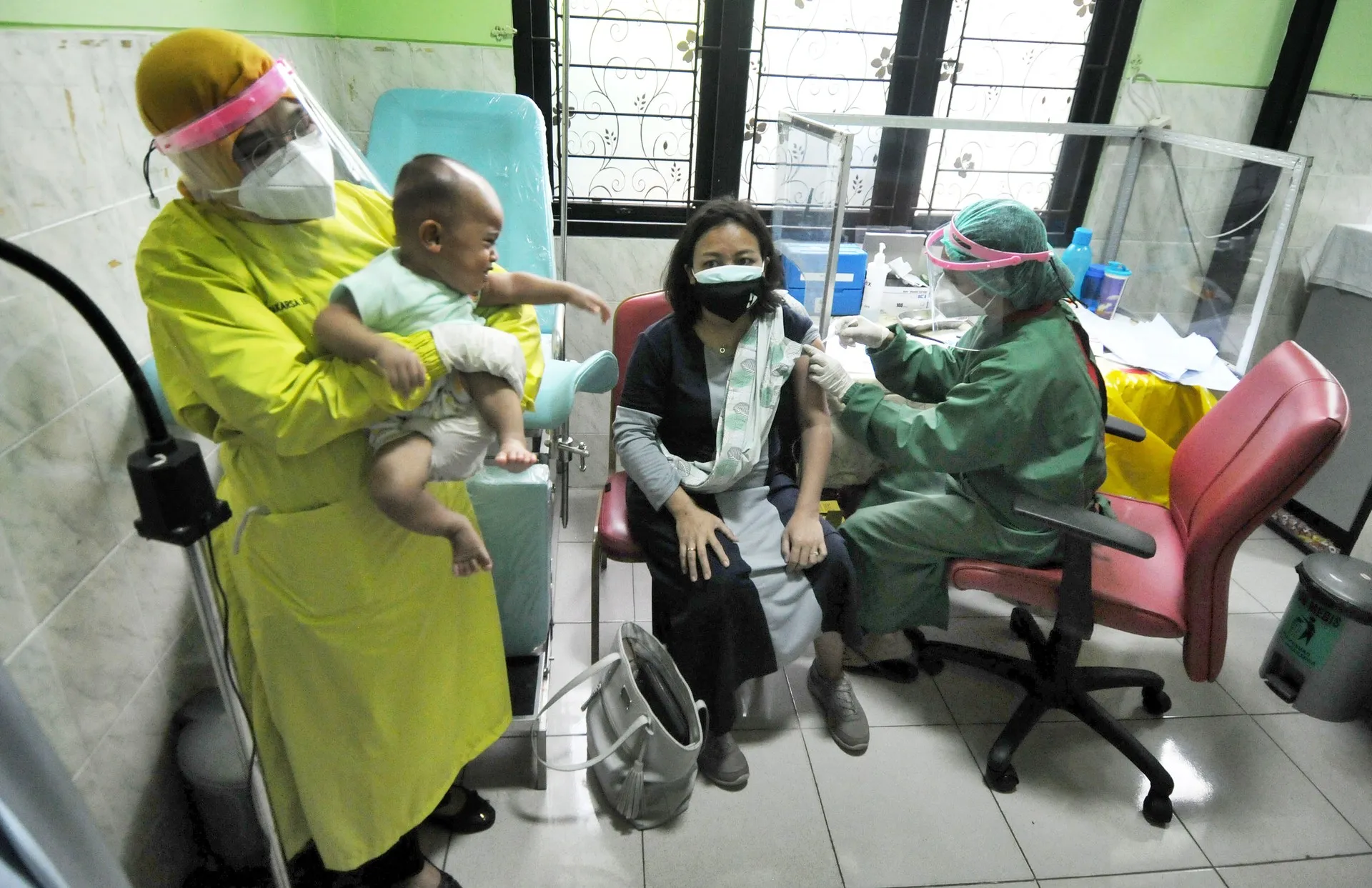
When Menna Hulme rolled up her sleeve at the Princess Royal Hospital in Telford, she was 34 weeks pregnant and making medical history. The 32-year-old mother of three from Cockshutt, near Ellesmere in Shropshire, had just become the first person in Europe to enrol in the BEATRIX study — a world-first clinical trial of a vaccine designed to protect newborn babies from one of the deadliest infections they face.
"I was chuffed to be the first European participant," Hulme said. "Other ladies enrolled locally too and I would hope others will, because there would be massive benefits to developing this vaccine."
Her daughter was born in January, weighing a healthy 9lbs 6oz, with no complications — a happy ending that Hulme hopes thousands of families around the world might one day share. For her, the decision was simple: a single injection in the arm, a few months of follow-up, and the chance to help answer a question that has haunted maternity medicine for decades — can we vaccinate mothers to save their babies?
Group B streptococcus sounds obscure. It is anything but. The bacterium lives harmlessly in the intestines of up to a third of all adults, and roughly a quarter of women of childbearing age carry it vaginally at any given time. For adults, it is almost always harmless. For a newborn passing through the birth canal, it can be catastrophic.
GBS is the most common cause of life-threatening infection in newborn babies, triggering sepsis, pneumonia and meningitis that can kill within hours if untreated. Around 1 in every 1,000 babies in the UK and Ireland develops a GBS infection in the first three months of life. Each year, the bacterium kills around 50 babies — roughly one a week — and leaves a further 70 surviving with long-term disabilities, from hearing and vision loss to cerebral palsy and developmental difficulties.
There is currently no licensed vaccine against GBS, and — crucially — no routine screening in the UK. Babies contract the bacterium during birth itself, which means the danger arrives at the very moment of greatest vulnerability. At Shrewsbury and Telford hospitals alone, around 4,000 babies a year are born to GBS-positive mothers.
It might seem obvious to simply test every pregnant woman and treat those who carry the bacterium. But Jane Plumb, chairman and co-founder of the charity Group B Strep Support, has long argued that approach has hard limits. Some mothers will always miss screening; others labour so quickly that antibiotics cannot be given in time to work. A vaccine sidesteps both problems at once — and could mean many mothers and babies avoiding antibiotics altogether, which Plumb calls "got to be good news."
The BEATRIX study is designed to prove it. The trial — the first large-scale phase 3 vaccine trial in the world for GBS — is being developed by researchers from the NHS and UK universities alongside international partners. It is supported by the National Institute for Health and Care Research (NIHR) and sponsored by Pfizer. Professor Paul Heath, the study's chief investigator at St George's Hospital in London, calls it research "important in helping build the evidence needed to address a significant unmet public health need."
In Shropshire, the trial is led by Keele University's Professor Will Parry-Smith, whose team at the Princess Royal Hospital administered Hulme's history-making dose. Keele's announcement of the milestone underlines how the study spans the country: ten sites across the UK are now recruiting, from the John Radcliffe Hospital in Oxfordshire to major London trusts including the Royal Free, St George's and Imperial College Healthcare.
The stakes extend far beyond Britain. While GBS kills around 50 babies a year in the UK, its toll in lower-resource settings — where intensive neonatal care is scarce — is vastly greater. Researchers estimate that 70% vaccine coverage could avoid more than 50,000 GBS-related deaths and 170,000 pre-term births every single year worldwide.
That global dimension shapes the trial's design. The vaccine works by stimulating antibodies in the mother, which are then transferred to her unborn baby through the placenta — protection delivered before birth, requiring no cold-chain-intensive neonatal intervention. For low- and middle-income countries, where most of the world's GBS deaths occur, that simplicity could be transformative.
The trial is also confronting uncomfortable inequalities closer to home. Research published in 2022 found that in England between 2016 and 2020, the rate of serious GBS infection was 51% higher among Black babies and 28% higher among Asian babies than among white babies — which is why Black and Asian women who are eligible are being particularly encouraged to come forward.
!A newborn baby sleeping peacefully
The BEATRIX trial aims to protect newborns during their vulnerable first three months of life, when GBS infection is most dangerous. Photo: Elizabeth / Wikimedia Commons, CC0
Taking part is straightforward but carefully monitored. Healthy pregnant women aged 49 or younger can enrol between 24 and 36 weeks of pregnancy and receive a single injection in the arm. Mothers may be involved for up to 14 months — ending six months after giving birth — while their babies are followed for around 12 months. Participation is voluntary, and the NIHR stresses it guarantees no direct benefit: the vaccine is investigational and has not been approved for routine use, and every participant receives detailed information about potential risks and benefits before deciding.
Women interested in joining can find details through the NIHR's Be Part of Research service, available online and through the NHS app, or contact their local study team directly.
For Hulme, the maths was personal rather than statistical. "There would be massive benefits to developing this vaccine," she said — and then she went home to her newborn daughter. Somewhere in a freezer in a Shropshire laboratory, the blood samples drawn through her pregnancy are helping to answer whether she is right. If the trial succeeds, her single rolled-up sleeve in Telford may one day be remembered as the moment the world started to beat one of newborn medicine's cruellest killers.
The BBC's report first told Hulme's story; the NIHR's trial announcement has full details for prospective participants, and the World Health Organization tracks the global burden of neonatal infections.
For more on medical research and public health, see our Science section and Health coverage — including the opening of this season's winter vaccine programme, Chris Hoy's call for better prostate screening and the latest health headlines — or start from our homepage.