Why Chris Hoy Wants a More Proactive Approach
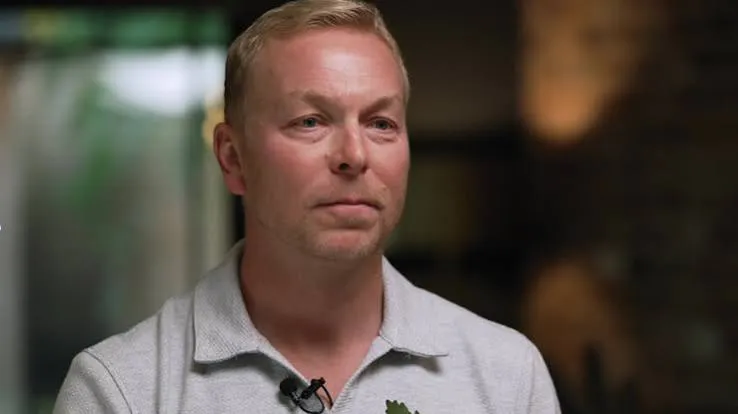
Hoy recently turned 50 and described receiving a bowel cancer screening test through the post. That experience prompted him to question why prostate cancer awareness and testing do not operate in the same straightforward way.
The comparison highlights an important distinction. In the UK, routine population-wide PSA screening is not currently offered through the NHS. Men can, however, discuss PSA testing with their GP, including the potential benefits and limitations of the test.
Hoy believes there should be a more systematic process that encourages men to understand their prostate cancer risk.
His argument is not simply that every man should automatically receive a PSA test. Instead, he wants men to have better information about when they may be at higher risk and what options are available to them.
That distinction is important because PSA testing is not a perfect screening tool.
Prostate cancer mainly affects men over the age of 50, and the risk increases with age. However, age is not the only factor.
According to Prostate Cancer UK, three major risk factors are age, family history and being Black. The organisation says that if a man's father or brother has had prostate cancer, he is around 2.5 times more likely to develop the disease than someone without that family history.
For men with higher risk, conversations about prostate cancer may need to happen earlier.
Prostate Cancer UK's guidance recommends that Black men and men with a family history of prostate cancer consider speaking to their GP about their risk from around age 45.
This is one reason Hoy's call for greater awareness goes beyond simply increasing the number of PSA tests.
The bigger issue is helping men understand their own risk profile.
A prostate-specific antigen, or PSA, test is a blood test that measures the amount of PSA in the blood.
A raised PSA level can be associated with prostate cancer, but it does not automatically mean that someone has cancer. Other prostate conditions, including an enlarged prostate, can also increase PSA levels.
This is one of the major challenges surrounding prostate cancer screening.
A PSA test can potentially help identify prostate cancer earlier, but it can also lead to additional investigations or treatment that a person may not ultimately need. The NHS therefore recommends discussing the potential benefits and risks with a healthcare professional before deciding whether the test is appropriate.
Prostate Cancer UK similarly stresses that deciding whether to have a PSA test is a personal decision that should take an individual's risk factors into account.
This is where Hoy's argument becomes particularly significant.
The debate around prostate cancer is often framed as a simple question: Should there be a national screening programme?
But there is another question that comes first:
Do men understand when they are at increased risk?
A man may not know that having a close relative with prostate cancer increases his own risk. He may also be unaware that risk can be higher for Black men or that discussions about prostate cancer may be appropriate from a younger age for some higher-risk groups.
Better awareness could encourage men to have informed conversations with healthcare professionals before symptoms appear.
This matters because prostate cancer can develop without obvious early symptoms. The NHS notes that PSA testing may be considered when there are symptoms or other reasons to investigate prostate health, but a raised PSA itself does not confirm cancer.
In that sense, Hoy is calling for a culture where men do not simply wait for symptoms or assume prostate cancer is something that happens to other people.
Hoy has used his public profile to make prostate cancer a more visible subject.
He has spoken openly about his diagnosis and continues to campaign even while living with stage 4 disease. He says that sharing his experience is worthwhile, but believes the responsibility for public awareness should ultimately extend beyond individual celebrities.
“There should be a more systematic and proactive approach to let men know about their own risk.”
The idea is particularly relevant because public awareness campaigns can reach people who might otherwise avoid conversations about prostate health.
But celebrity-led awareness has limitations.
A campaign can attract headlines, social media engagement and public discussion, but long-term change requires healthcare systems, public health organisations and policymakers to provide consistent information and access to appropriate care.
Prostate Cancer UK's 2024 clinical consensus similarly called for shared responsibility among charities, the NHS, governments and public health bodies in raising awareness of prostate cancer.
Hoy's advocacy has also become connected to his Tour De 4 charity cycling event.
The event was created following his diagnosis and is designed to raise money while bringing together people affected by stage 4 cancer, their families and those remembering loved ones.
For Hoy, the event represents more than fundraising. He describes it as an opportunity to change perceptions about what living with stage 4 cancer can mean and to celebrate life despite a difficult diagnosis.
The event also demonstrates how personal experience can become a catalyst for wider conversations about cancer awareness.
However, Hoy remains clear that awareness should ultimately lead to practical action.
He has also expressed support for Scottish swimmer Archie Goodburn, who publicly called for greater funding for brain cancer research. Hoy said he hoped the attention generated by Goodburn's campaign would result in tangible changes rather than simply more discussions.
There is a reason why prostate cancer screening has been difficult to implement as a simple nationwide programme.
The PSA test has limitations.
A high PSA does not necessarily indicate cancer, while some cancers may not produce a significantly raised PSA level. Testing can therefore create uncertainty and lead to additional investigations.
The NHS specifically warns that PSA results are not always accurate and that some men may undergo tests or treatment they ultimately do not need.
At the same time, failing to identify cancer early can also have serious consequences.
This creates a difficult balance between detecting potentially dangerous cancers earlier and avoiding unnecessary diagnosis and treatment.
That is why current guidance emphasises informed decision-making rather than automatically testing everyone.
Hoy's message ultimately comes down to personal responsibility combined with better public information.
Men should understand the factors that may increase their risk and discuss concerns with a healthcare professional.
According to Prostate Cancer UK, men over 50 may want to speak to their GP about prostate cancer risk and PSA testing. Men with a family history or Black men may want to start that conversation from around 45.
If you have concerns about prostate cancer, symptoms, family history or your personal risk, a GP or other qualified healthcare professional can help you understand whether testing is appropriate.
A PSA test should not be treated as a standalone diagnosis.
Instead, it is one part of a wider process that may include discussing symptoms, risk factors and further investigations if necessary.
Chris Hoy's campaign raises a broader question about how society approaches cancer awareness.
High-profile individuals can make people listen. Their personal stories can remove stigma and encourage conversations that might otherwise never happen.
But sustainable healthcare awareness cannot depend on celebrities.
Key takeaway: The most important part of Hoy's message is not simply that more men should get tested. It is that men should be given clear, accessible information about their prostate cancer risk so they can make informed decisions with healthcare professionals.
Another important takeaway is that prostate cancer screening is not the same as automatically giving every man a PSA test. The PSA test has benefits and limitations, and current NHS guidance recommends discussing those factors with a GP.
A third takeaway is that risk awareness needs to begin before cancer becomes personal. Age, family history and ethnicity can all influence risk, making individual awareness an important part of prostate health.
For Hoy, the campaign will continue.
He says he is doing well and refuses to give up on the causes he believes can make a difference. His message to men is ultimately about taking ownership of their health rather than postponing difficult conversations.
Sir Chris Hoy's message is bigger than one celebrity's cancer campaign.
His experience has brought attention to an uncomfortable reality: many men may not think seriously about prostate cancer until it affects them or someone close to them.
A more proactive approach could help men understand their risk earlier, while informed conversations with healthcare professionals can help them decide whether PSA testing is appropriate.
The goal should not simply be more testing.
It should be better awareness, better information and better decisions.
As Hoy continues his campaign and prepares for the Tour De 4 charity cycle, his central message remains powerful: men should not have to wait for a celebrity diagnosis to start thinking about their own prostate health. Verity
Authoritative Sources
- NHS, PSA test: information about PSA testing, benefits, limitations and access.
- Prostate Cancer UK, PSA Blood Test: risk factors, testing and age-related guidance.
- Prostate Cancer UK, PSA Consensus 2024: clinical consensus on improving awareness and use of PSA testing.
- Prostate Cancer UK, Prostate Cancer Risk Factors: age, family history and ethnicity-related risk.