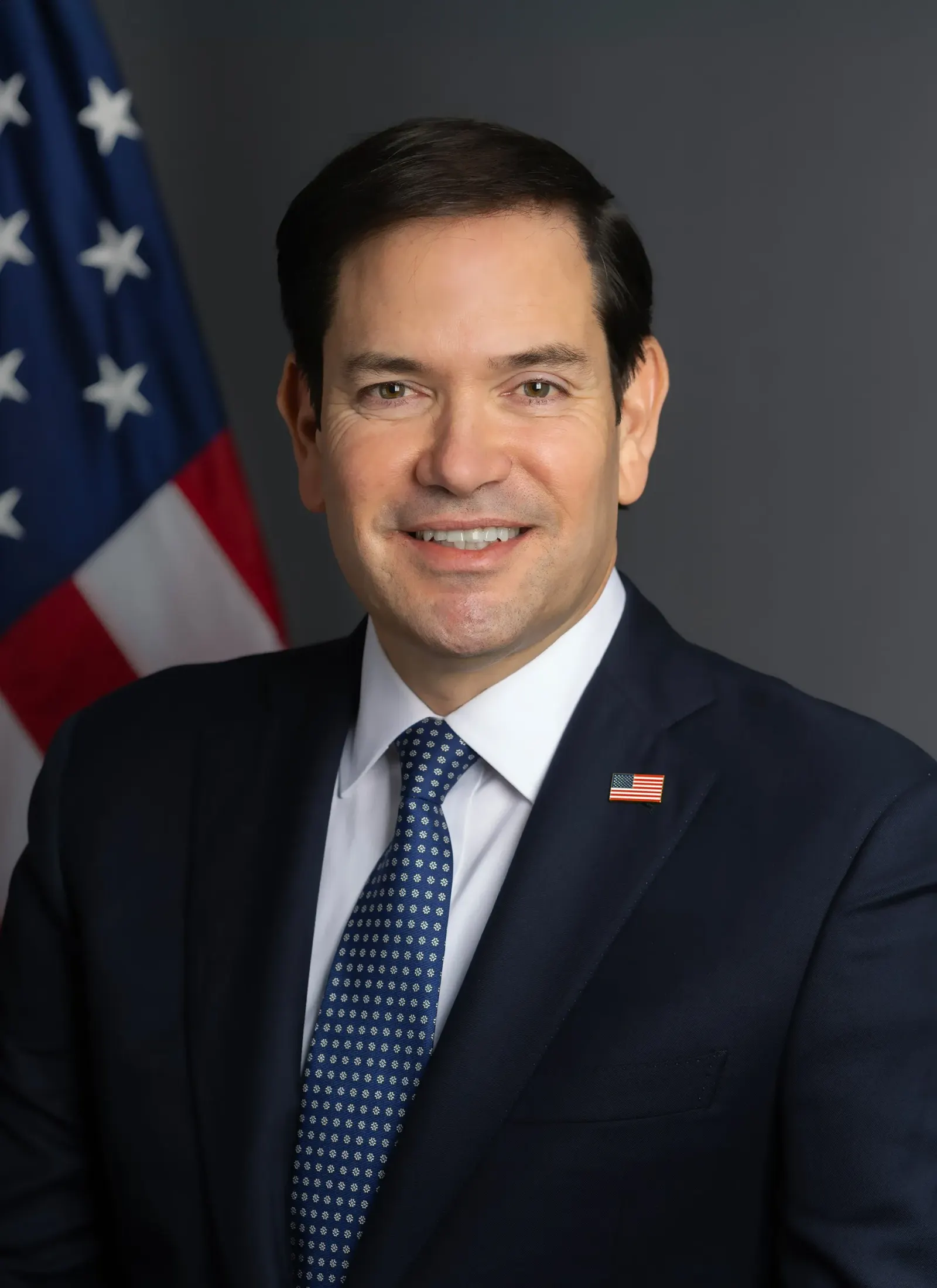
The United States is pressing Russia to be more open about the death of a laboratory worker at a plague research institute in Siberia, with Secretary of State Marco Rubio warning that Washington is monitoring the case "very closely, hour by hour". The death of 28-year-old Darya Shipilova — and the fog of conflicting accounts surrounding it — has turned a regional health scare into a diplomatic incident between two nuclear powers.
"I think it's incumbent upon Russia to obviously share more information with the world," Rubio said on Tuesday. "Maybe it's bigger than we thought. We don't know, but I think it would be reckless at this moment, given the limited information we still have, to speculate."
The remarks, made as Rubio travelled in Iceland, marked a clear escalation from his comments a day earlier, when he had described the reports as "cause for focus" rather than alarm. The hardening tone reflects Washington's frustration with what it sees as inadequate transparency from Moscow about an incident involving one of the most dangerous pathogens known to medicine.
A death in Siberia
Shipilova was a laboratory technician at the Irkutsk Anti-Plague Research Institute of Siberia, a facility dedicated to studying plague and other dangerous infectious diseases. She was admitted to a hospital in Shelekhov, a town near Irkutsk, on 29 September with severe pneumonia, placed on ventilator support, and died on the night of 1–2 October after several days in intensive care.
What happened before her hospitalisation is bitterly disputed. According to reports in Russian media, including The Moscow Times, Shipilova told medical staff she had accidentally broken a test tube containing live plague bacteria while collecting samples on 25 September. Local officials in the neighbouring region said she may have died of pneumonic plague. One local administration even warned residents not to visit Shelekhov, citing "unofficial information" about a human plague case — a post that was deleted less than two hours later.
Russia's official account is starkly different. Rospotrebnadzor, the federal consumer-protection and health watchdog, has said there was no accident at the institute, classified her illness as "pneumonia of unknown etiology", and asserted that "no micro-organisms associated with the employee's professional duties were detected in samples taken from the patient". The agency insists the epidemiological situation in the region is stable.
 Irkutsk, the Siberian city where the anti-plague institute is based
Irkutsk, the Siberian city where the Irkutsk Anti-Plague Research Institute is based — Egor Kurlyuk, CC BY-SA 3.0, via Wikimedia Commons
Nearly 200 people under observation
Whatever the cause of death, the response has been extensive. Reports first emerged on Friday that almost 200 people had been placed under medical observation in the Irkutsk region. The hospital where Shipilova died was placed under quarantine — no longer admitting or discharging patients, with its laboratory halting routine testing — and similar restrictions were imposed on several other hospitals in and around the city. Local media reported the institute itself was locked down, with staff sleeping on floors and chairs while tests were carried out.
Officials have since reported that all of the patient's contacts have been identified, that initial laboratory tests on those under observation were negative — some contacts tested positive for ordinary colds or Covid, but no dangerous pathogens — and that none has shown signs of illness. The regional governor, Igor Kobzev, said those quarantined could be released as early as next week. The World Health Organization said on Tuesday that Russia had reported all of the patient's contacts identified, while asking Moscow for more information about the case.
For context on the disease at the centre of the scare, pneumonic plague — the lung-infecting form of plague caused by the bacterium Yersinia pestis — is the most virulent form of the disease and the only one that transmits directly from person to person through respiratory droplets. It is nearly always fatal without treatment but responds to antibiotics if caught early. Experts at the University of Reading have noted that person-to-person transmission is precisely what makes any suspected case a matter for urgent containment.
"Cause for focus, not alarm"
Rubio's public messaging has walked a careful line. On Monday, before departing Washington for Europe, he told reporters: "We're watching and monitoring it closely. I don't think it's cause for alarm, but it is cause for focus and a cause just to keep an eye on it."
He acknowledged the obvious risk: "There's very limited travel between the US and Russia, obviously — but like anything else, something like that gets out, it could quickly spread." A State Department spokesman reinforced the message the same day: "Many details have not been confirmed. We encourage Russian authorities to share accurate information quickly and openly. We are aware of reports of a fatal case of suspected pneumonic plague in Irkutsk Oblast, Russia. We are monitoring the situation closely with the CDC and our other interagency partners."
By Tuesday, the emphasis had shifted from monitoring to demanding answers — a sign, perhaps, that American intelligence has not been reassured by Moscow's public statements.
An offer of help — and a counter-offer
In a curious diplomatic exchange, Rubio said the United States had "measures" available to help Russia deal with the situation if needed. Rospotrebnadzor responded by offering help to the United States in return. President Trump said he was looking "very strongly" at the incident, and Kremlin spokesman Dmitry Peskov, citing the official findings, said mutual assistance was a good thing.
The exchange carries echoes of the pandemic era, when offers of medical assistance doubled as instruments of geopolitical signalling. Whether any practical cooperation follows is unclear; the institute at the centre of the case has told reporters it is not commenting.
Why the world is watching
For now, there is no confirmed evidence of a wider outbreak. The contacts under observation remain well, the tests so far are negative, and even the most alarmed official statements stop short of confirming a plague diagnosis. The UK Health Security Agency has assessed the risk to Britain, and the prevailing expert view is that this is a contained tragedy, not the seed of an epidemic.
But the incident has exposed, in real time, the fragility of trust between Russia and the West on precisely the kind of issue where trust matters most. A suspected case of pneumonic plague at a state research institute, a dead 28-year-old technician, deleted official warnings, and a health watchdog insisting nothing happened — it is a combination almost designed to generate suspicion. Rubio's demand for transparency is, at its core, a demand that Moscow close the gap between its official story and the reports coming out of Siberia.
The WHO is waiting for more information. The CDC is monitoring. Nearly 200 people in Irkutsk are waiting out their observation period. And in Iceland, America's top diplomat delivered the message plainly: share what you know, because the world is watching — hour by hour.
Follow Verity's news coverage and homepage for continuing updates.