CDC Investigates Growing Cyclosporiasis Outbreak Across the United States
Health officials in the United States are investigating a significant cyclosporiasis outbreak that has spread across 34 states, with nearly 7,000 suspected infections linked to a microscopic parasite known as Cyclospora.
According to the US Centers for Disease Control and Prevention (CDC), the outbreak has resulted in hundreds of hospitalizations, although no deaths have been reported.
The exact source of the outbreak remains unknown, but investigators believe contaminated fresh produce is the most likely cause.
What Is Cyclosporiasis?
Cyclosporiasis is an intestinal illness caused by the parasite Cyclospora cayetanensis.
People become infected after consuming food or drinking water contaminated with the parasite.
Unlike many viral stomach illnesses, Cyclospora does not spread directly from person to person. Instead, infection usually occurs through contaminated fresh fruits, vegetables, herbs, or untreated water.
Current Outbreak at a Glance
According to the CDC:
- Nearly 7,000 suspected infections are being investigated.
- 1,645 laboratory-confirmed cases have been reported.
- 141 people have been hospitalized.
- The outbreak has spread to 34 US states.
- No deaths have been reported.
Health officials expect the number of confirmed cases to continue increasing as more reports are received.
States Reporting the Highest Number of Cases
Several states have reported unusually high numbers of infections.
Michigan
- More than 3,300 reported illnesses
- One of the hardest-hit states
Ohio
- More than 400 recent cases
- Significant increase during the past month
New York
- Over 500 reported infections
- More than half reported in New York City
North Carolina
- More than 300 confirmed illnesses
- Several hospital admissions
Illinois
- Nearly 200 probable cases
- Higher-than-normal seasonal activity
Additional cases have also been reported in:
- Indiana
- Texas
- New Jersey
- Kentucky
- West Virginia
What Are the Symptoms?
The most common symptom is frequent watery diarrhoea, which health experts describe as:
"Frequent and sometimes explosive bowel movements."
Other symptoms may include:
- Severe diarrhoea
- Loss of appetite
- Stomach cramps
- Nausea
- Fatigue
- Weight loss
- Low-grade fever
- Bloating
Symptoms generally appear about one week after exposure.
Without treatment, illness can last several weeks or even more than a month, and symptoms may return after temporarily improving.
How Does Cyclospora Spread?
People become infected by swallowing the parasite through contaminated:
- Leafy vegetables
- Fresh herbs
- Salad mixes
- Fruits
- Untreated drinking water
Unlike viruses such as norovirus, Cyclospora is not transmitted through casual contact with infected individuals.
Experts say contamination usually occurs during farming, harvesting, or irrigation rather than during food preparation.
What's Causing the Current Outbreak?
The CDC has not yet identified a single source responsible for the outbreak.
However, investigators believe infected individuals likely consumed contaminated produce within the United States.
Previous Cyclospora outbreaks have been linked to:
- Bagged salads
- Fresh cilantro
- Basil
- Raspberries
- Snow peas
- Green onions
- Leafy greens
Tracing the source is often difficult because contamination may occur before products reach grocery stores.
Why Is This Investigation Challenging?
Foodborne parasite outbreaks are difficult to investigate because:
- Fresh produce is distributed nationwide.
- Contamination may occur on farms.
- Products have short shelf lives.
- Patients often cannot remember everything they ate.
By the time illnesses are reported, the contaminated food is frequently no longer available for testing.
How Is Cyclosporiasis Treated?
Most cases can be treated successfully with prescription antibiotics.
Doctors may also recommend:
- Drinking plenty of fluids
- Preventing dehydration
- Rest
- Electrolyte replacement
Anyone experiencing persistent diarrhoea lasting several days should seek medical attention.
Early diagnosis can shorten recovery time and reduce complications.
How Can You Protect Yourself?
Health experts recommend several precautions to lower the risk of infection.
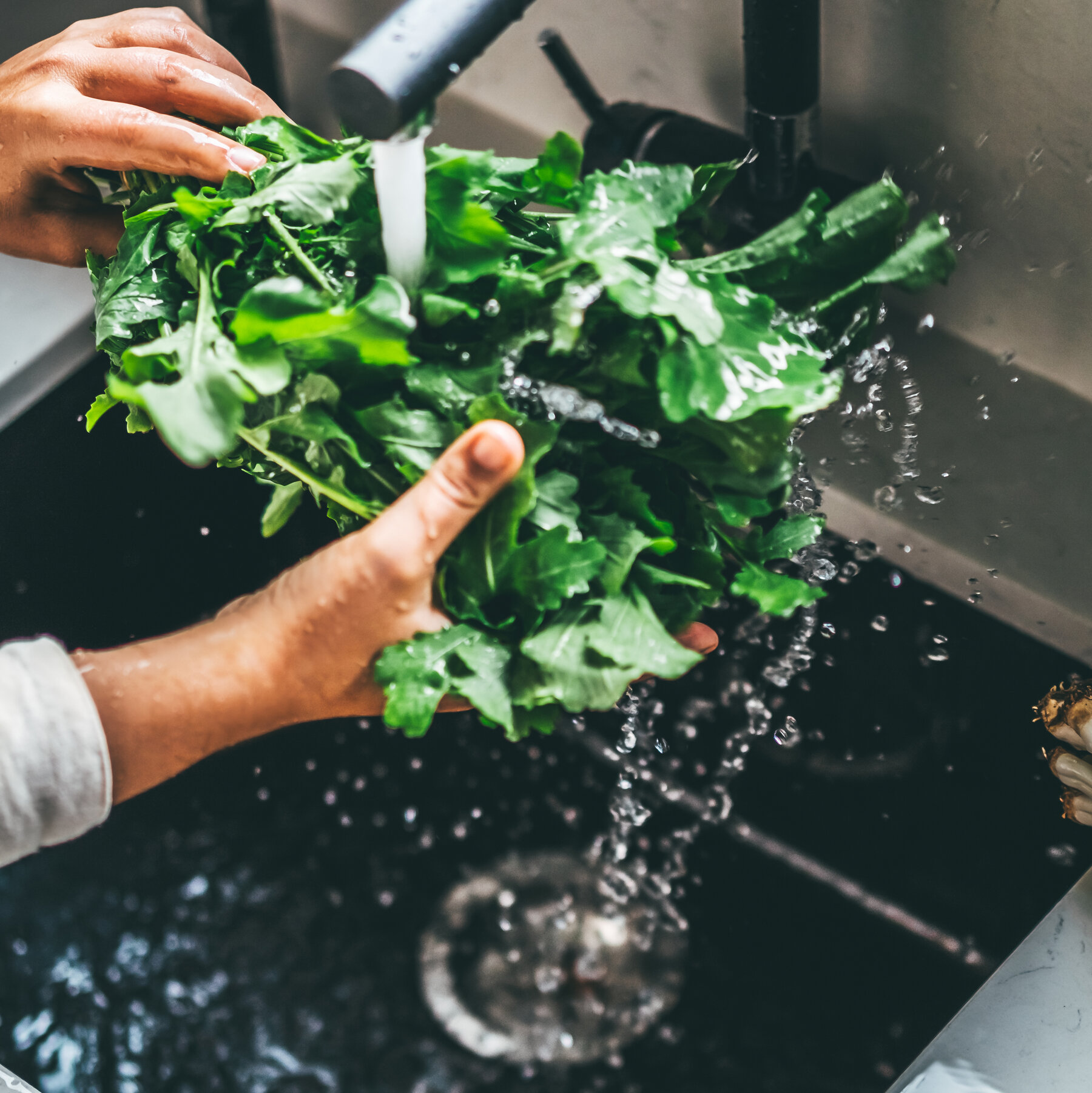
Wash Fresh Produce
Rinse fruits and vegetables thoroughly before eating.
Peel Outer Leaves
Remove the outer layers of lettuce, cabbage, and green onions.
Cook Produce When Possible
Cooking kills the parasite and greatly reduces infection risk.
Practice Good Food Hygiene
Wash hands before preparing food and keep kitchen surfaces clean.
Drink Safe Water
Use clean drinking water, especially while traveling or in areas where water quality is uncertain.
Who Is Most at Risk?
Although anyone can become infected, the following groups may experience more severe illness:
- Older adults
- Young children
- People with weakened immune systems
- Organ transplant recipients
- Individuals receiving cancer treatment
These individuals should seek medical advice promptly if symptoms develop.
Will More Cases Be Reported?
Health officials believe additional infections are likely.
Many people with mild illness:
- Never seek medical care.
- Recover without testing.
- Go unreported.
As laboratories confirm more cases, official numbers are expected to rise.
Final Thoughts
The ongoing US cyclosporiasis outbreak highlights the importance of food safety and public health surveillance. While the illness is generally not life-threatening, thousands of suspected infections across dozens of states demonstrate how quickly contaminated food can affect communities nationwide.
Until investigators identify the source, consumers should continue practicing safe food handling, thoroughly washing fresh produce, and seeking medical care if they experience persistent diarrhoea or other symptoms consistent with Cyclospora infection.