The planning behind the promise of oversight
Democrats in Congress are already drawing up the investigations they would launch if they win control of the House or the Senate in next week's midterm elections, with senior figures in the Trump administration, and possibly the president himself, in their sights. Staffers have begun assembling lists of possible inquiries and witnesses, according to people familiar with the discussions, and the party has identified four broad areas it would pursue first.
The stakes of the 3 November vote go well beyond legislation. A majority party in a chamber can issue subpoenas, compelling witnesses to testify or produce documents, and it can direct additional funding to investigations early next year. Midterm elections are often difficult for the party holding the White House, but success is by no means guaranteed for the Democrats, and the targets under discussion range from the president's family business empire to the conduct of immigration raids and the war with Iran.
This is analysis of a plan, not a prediction of an outcome. None of these inquiries can begin unless voters hand Democrats a majority, and even then, as this piece explains, the history of congressional investigations suggests that headlines are easier to generate than conclusions. The value of the exercise lies in what it reveals about Democratic priorities, and about the fault lines inside the party itself.
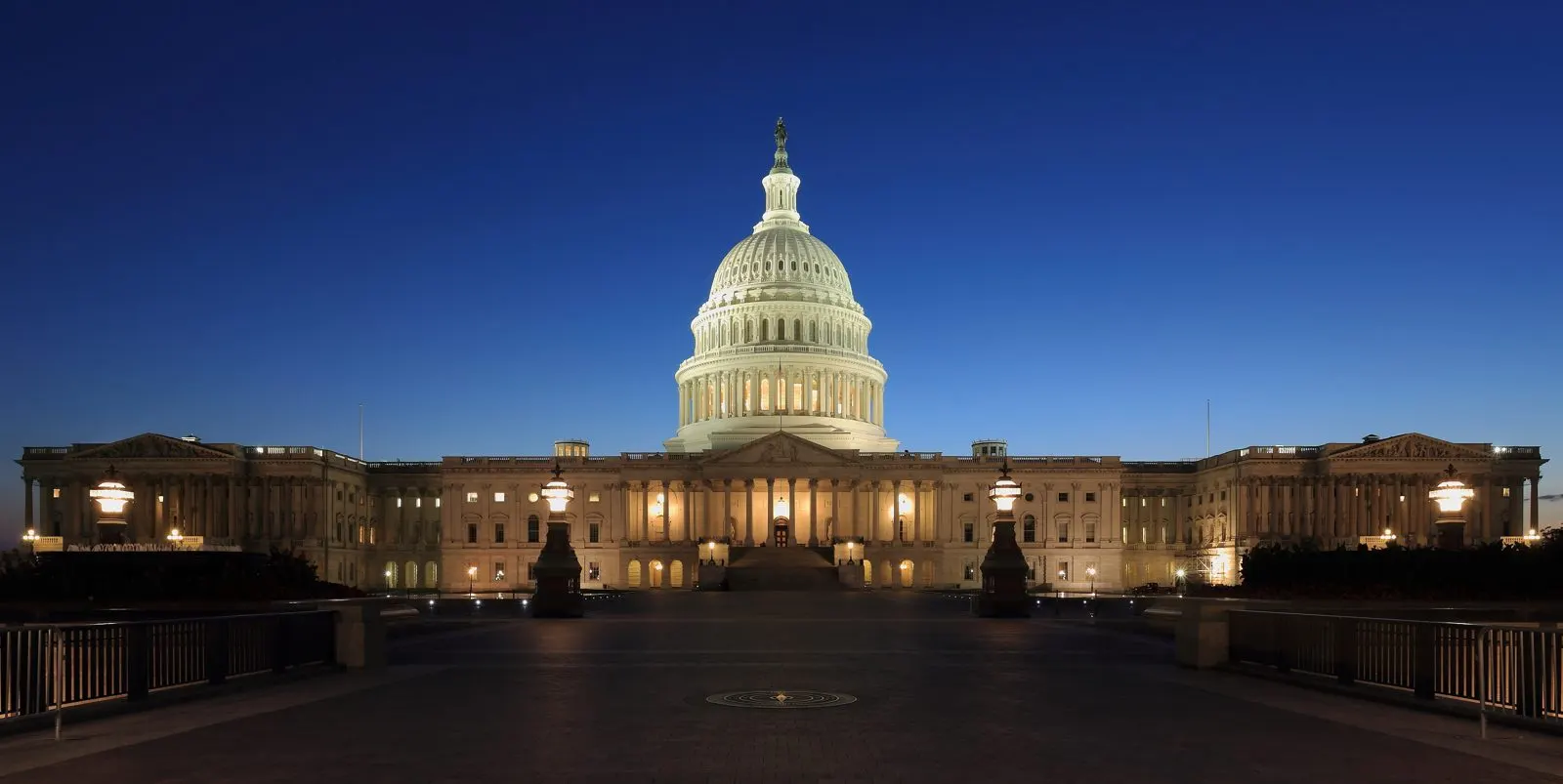
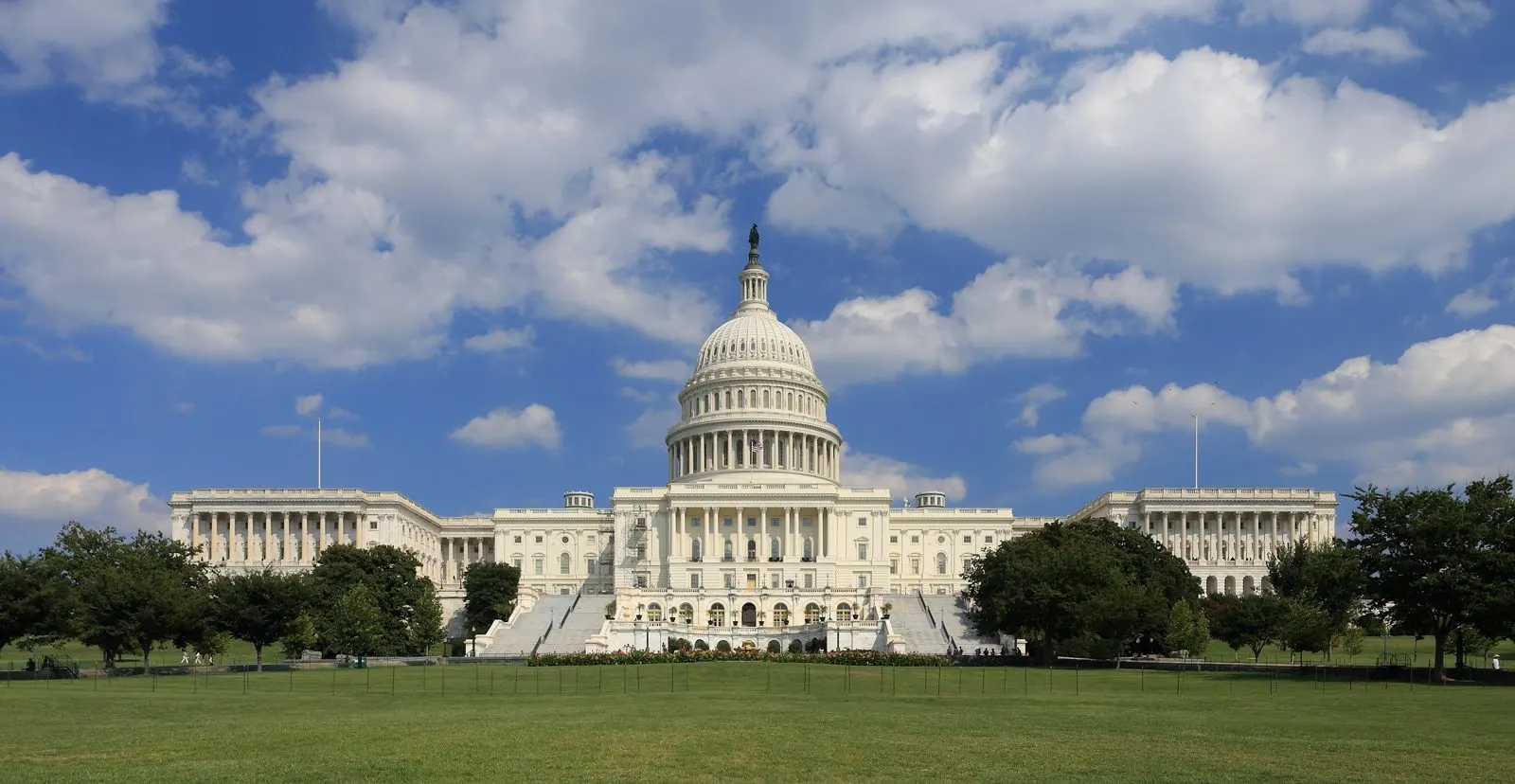 The west side of the United States Capitol building, home to the House and Senate chambers.
Credit: Martin Falbisoner, via Wikimedia Commons, CC BY-SA 3.0.
Money first: the Trump family business empire
The first and most prominent target is money. Democrats have made clear that lucrative deals connected to the Trump family's business empire would lead any initial round of inquiries. Items under consideration include ties between the administration and corporate entities, particularly cryptocurrency firms, as well as the international business dealings of the president's son-in-law, Jared Kushner.
Also on the list are the 400-million-dollar aircraft gifted by Qatar to serve as Air Force One and multimillion-dollar defence contracts awarded to firms linked to the Trump family. The through line, as Democrats frame it, is whether public office has been used to enrich private interests, a question that has followed this administration since its first term and that opposition lawmakers have repeatedly tried, and largely failed, to answer without subpoena power.
Virginia Democrat Suhas Subramanyam, a member of the House Oversight Committee, told the BBC that the aim was to make sure taxpayer money was being used wisely rather than being pocketed through corruption. The White House has repeatedly denied any wrongdoing, and spokesperson Olivia Wales said the president was focused on keeping Republican majorities in Congress and building on progress in lowering costs for families, accusing Democrats of having no agenda beyond obstructing the president's programme.
The political logic is straightforward. Financial inquiries produce documents, and documents produce stories. But they also invite a counterattack: that Democrats are using Congress as a weapon against a political opponent rather than as a check on power. How voters judge that argument may matter as much as anything the inquiries uncover.
Immigration raids and the politics of enforcement
The second area is immigration enforcement, identified as a key priority by senior Democrats including Robert Garcia, the California Democrat in line to lead the House Oversight Committee if the party retakes the chamber. Potential inquiries would examine allegations of misconduct by Immigration and Customs Enforcement agents during raids across the country.
The politics here are delicate. Trump campaigned in 2024 on a promise of mass deportations of undocumented migrants, a message that resonated with many supporters, but recent polls suggest many Americans, including some who backed him then, are uncomfortable with some of the tactics ICE agents have used in American cities this year.
An investigation into enforcement tactics would therefore serve two purposes at once: accountability for specific incidents, and a broader argument about how the administration has carried out a policy that many voters supported in principle. The risk for Democrats is that hearings focused on agents on the ground could be read as an attack on immigration enforcement itself, rather than on its excesses, and that distinction will be hard to hold in a hearing room built for confrontation.
The Iran war and the record of Pete Hegseth
The third area is the war with Iran, which began in February, and the record of Defence Secretary Pete Hegseth. Democratic lawmakers have vowed to examine civilian casualties, munitions shortfalls, spending, and claims that troops and facilities were poorly prepared. Other topics could include boat strikes in the Caribbean that the administration says are aimed at stopping drugs reaching the United States.
In April, a group of House Democrats filed rare articles of impeachment against Hegseth, accusing him of high crimes and misdemeanours over the war. Impeachment is a high bar as well as a headline. It requires only a simple majority in the House, but conviction and removal from office would need a two-thirds vote in the Senate, and no cabinet official has ever been removed that way.
David Miller, a political science professor at American University, said that if the issue became a drag on the White House's media attention, Trump might be likely to drop officials he did not want generating bad press. That observation captures the more modest, and perhaps more realistic, Democratic hope: that sustained scrutiny changes personnel and policy even when it does not end in removal.
Richard Painter, who served as chief White House ethics lawyer under George W Bush, argued that the deeper question was constitutional rather than personal. He told the BBC that the war was never authorised by Congress, that the constitution gives Congress the power to declare war, and that lawmakers should bring the officials involved in to answer questions.
The Pentagon has pushed back firmly. Press secretary Kingsley Wilson called Hegseth a transformative leader who had slashed bureaucracy, unleashed innovation and delivered for warfighters, and said the department was better under his leadership by every measurable metric. That defence sets up the central clash of any inquiry: competing accounts of a war that Congress never voted to authorise, fought by an administration that insists it is being run well.
The most divisive question: a third impeachment
The fourth area is the most divisive inside the party itself: whether to attempt to impeach Trump for a third time. Some Democrats, such as Representative Alexandria Ocasio-Cortez, support the idea, citing what they view as an unauthorised war with Iran and other alleged impeachable offences.
Others urge caution, arguing that impeachment is unlikely to end with the Senate voting to remove a president who has repeatedly denied any wrongdoing, and that the party has not agreed on a single reason to launch proceedings. Trump himself dismissed the efforts in blunt terms in the Oval Office in October, describing his earlier impeachments and later criminal cases as very illegal things.
The internal disagreement matters because impeachment is the one tool that cannot be pursued half-heartedly. A failed attempt in the House would be a defeat, as our Opinion coverage has noted in past impeachment debates; a successful House vote followed by acquittal in the Senate would hand the president a vindication he could campaign on. Party leaders know this, which is why the planning documents reportedly treat impeachment as a possibility to be debated rather than a commitment already made.
What a majority can and cannot do
There is no guarantee that any of these investigations would end with a meaningful outcome, and Democrats privately accept that stonewalling, court fights and Senate arithmetic could blunt them. Subpoenas can be challenged in court, witnesses can refuse to appear, and a Republican Senate could block legislation even if the House uncovers damaging material.
But the planning itself is a statement of intent. If voters give the party a majority on 3 November, the first months of next year would bring a wave of subpoenas, hearings and document demands aimed at the heart of the administration. Whether that wave breaks against the White House or washes back over the Democrats will depend on what the inquiries actually find, and on whether voters see them as accountability or revenge.
That judgement will not be made in Washington alone. It will be made by voters watching hearings, reading News coverage, and deciding whether the party that promised oversight delivered scrutiny or spectacle. The four investigations are, for now, only a plan. The election will decide whether they become anything more.
Sources and further reading
- The BBC's original report on the four planned investigations is the primary source for this analysis: Four investigations Democrats could launch if they win control of Congress.
- For context on what a Democratic Congress could mean more broadly, see CNN's analysis of Democratic midterm plans.
- The US House of Representatives publishes committee membership and hearing schedules, and the Senate publishes its own calendar and rules on impeachment trials.
- The Constitution of the United States sets out Congress's war powers and the impeachment process.
- For background on the administration's position, see the White House and the Department of War websites.
Read more from Verity: our Politics coverage, our World section, the latest News, Opinion pieces, and Business reporting. You can also visit our homepage, learn more on our About page, or get in touch via our Contact page.