The accusation at the heart of the story
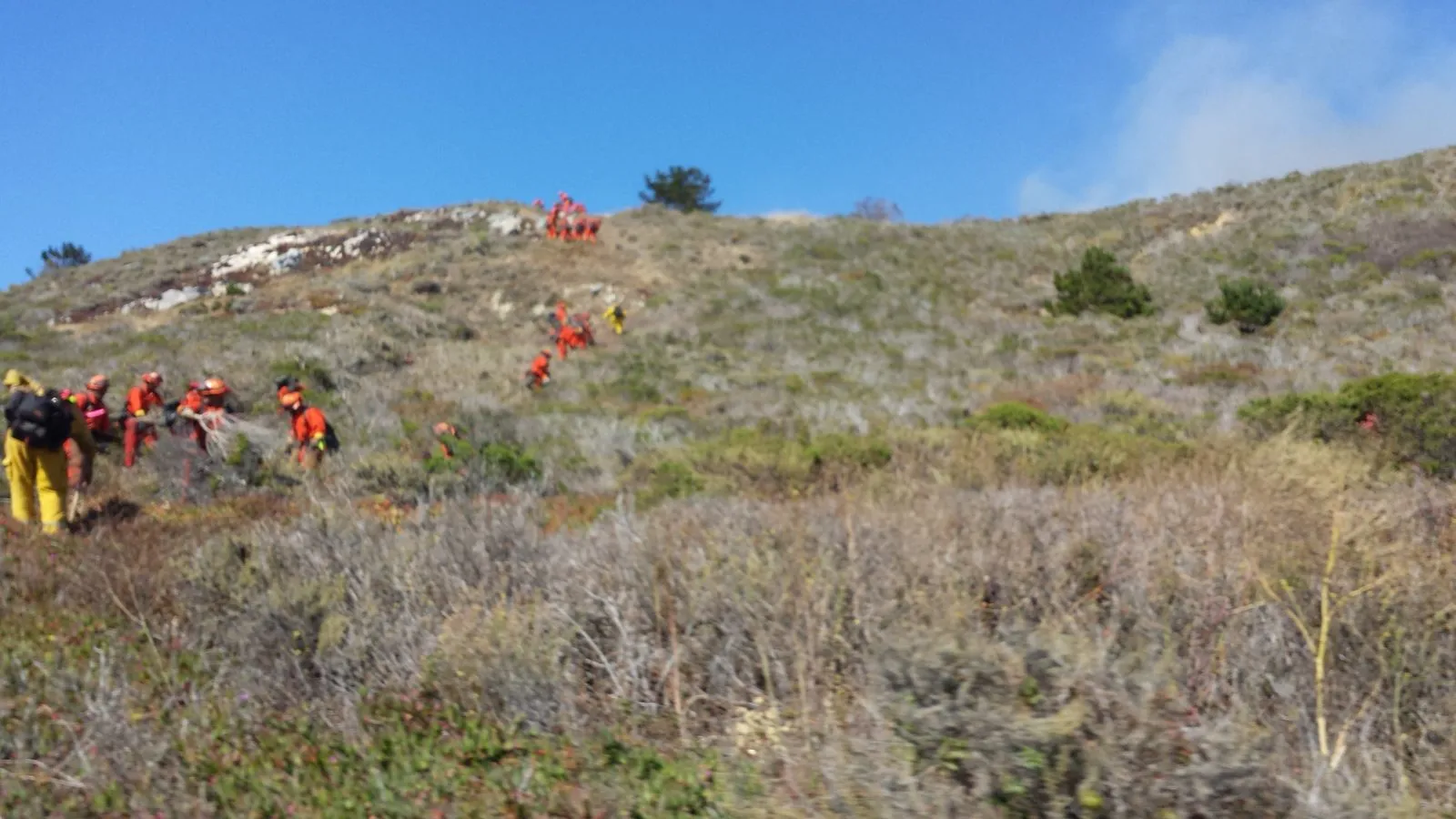
Firefighters and the public were "knowingly put at risk" during this summer's wildfires. That is the charge now facing governments and fire authorities, raised in evidence presented to a summit examining the devastation in Wales — and backed by testimony from crews who say they were sent into the flames under-equipped, under-staffed and overwhelmed. The Fire Brigades Union argues the risks were not an act of nature but a consequence of decisions: insufficient funding and resources that left firefighters and the communities they protect exposed. It is a claim that lands with particular force because of what the summer of 2026 turned out to be — the most severe wildfire season the United Kingdom has ever recorded.
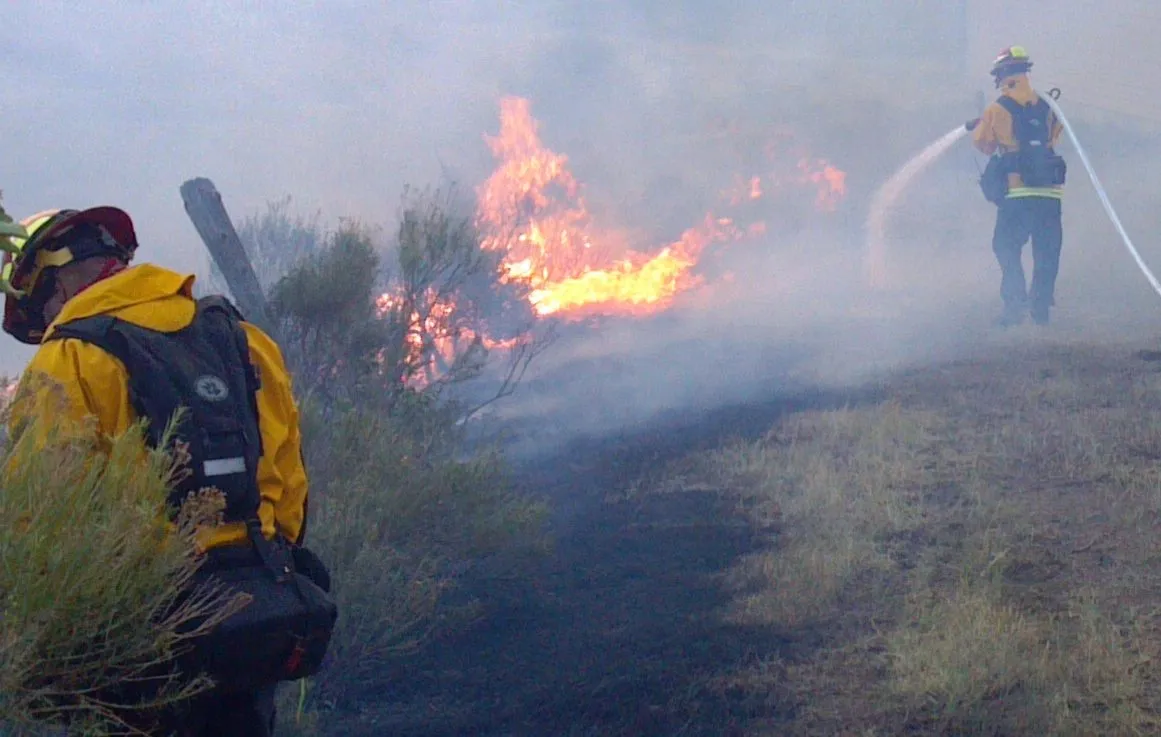 Firefighters working at a wildfire in difficult terrain — crews reported unsuitable protective equipment and extreme conditions during the 2026 season
Wales bore the brunt
In Wales, the picture painted by the union is stark. Crew members reported being forced to work in unsuitable equipment — non-breathable protective layers designed for structural fires rather than open moorland, and inadequate footwear for mountainous terrain. The union cited instances where no fire appliances or pumps were available across entire brigade regions, and a reported shortfall of 400 firefighters across Wales. One firefighter from Bridgend described a shift in which six or seven major category-three wildfires were visible simultaneously across the region. Incidents lasted eight to twelve hours or longer. Injuries among crews included lower limb damage and heat illness, with many firefighters unable to return to work. Control-room staff were under parallel strain, handling nearly 2,000 calls on the busiest day — against typical daily volumes of 200 to 300 — creating situations where incoming requests simply could not be fulfilled. A post-season union survey put numbers to the anger: 69 per cent of firefighters felt significantly under-equipped, with only 8 per cent saying they felt fully equipped. Nearly half said welfare facilities during wildfire deployment were inadequate. An FBU executive council member said poor advance preparation had forced specialist crews to be redirected from their primary functions, leaving some areas without backup cover at all.
A season of records — all the wrong kind
The national figures are extraordinary. Fire and rescue services in England and Wales responded to 1,350 wildfires in 2026, according to National Fire Chiefs Council figures — an all-time high, more than 300 up on last year's previous record, and over 1,000 up on 2024. July, with 458 incidents, was the busiest month ever recorded for wildfires in England and Wales. Records had already been broken in 2022 and again in 2025. The human cost was severe. One man died in a wildfire in Gloucestershire. Nineteen homes were destroyed in a single fire at Stourbridge, near Birmingham, and villagers were evacuated in the Cairngorms. In all, more than 50 homes were lost over the summer. The UK baked in its hottest summer on record in 2026, with widespread drought across England and Wales, and the situation became so severe that an emergency alert was sent to mobile phones across England and Wales on 14 August, warning of a very high national wildfire risk. As Baroness Brown, chairwoman of the Climate Change Committee, told the BBC: "I fear that lives will be lost. We need to be doing much more education and preparation." She warned the UK was not ready for a changing climate, and that wildfire risk could double across much of the country by 2050. The science of how extreme weather patterns are shifting suggests she is right to be alarmed — and France's deadly Storm Adam flooding showed the wider European pattern.
What Parliament's inquiry found
Westminster has now weighed in. The Environment, Food and Rural Affairs Committee's report on the summer found that while the scale of the 2026 events was extraordinary, the growing risk they represent was not unforeseen. The committee said the response exposed weaknesses in the UK's preparedness and resilience: gaps in specialist capability, uncertainty and competition over access to aerial firefighting resources, challenges in securing reliable water supplies during major incidents, and a heavy reliance on local arrangements for resources increasingly needed at a national scale. The MPs called for a UK government-funded "national wildfire prevention campaign" with clear and consistent messaging, along with wildfire risk indicators in weather forecasts — the committee's findings in full. Committee chairman Alistair Carmichael said that with the vast majority of fires man-made, "prevention is vital" — and called for a cultural shift to put Britain "in step with fire-savvy nations such as Australia", including public awareness campaigns and restrictions on disposable barbecues at high-risk times of year. Fire and rescue services, he said, need investment in specialist equipment, with new firefighting planes a "minimum requirement". The full inquiry report is published at publications.parliament.uk. More of our Science coverage tracks the climate pressures behind these events.
The kit that did not fit the job
One of the most damning threads in the evidence concerns the basics: what firefighters wear into a fire. Standard structural-fire kit is heavy and heat-trapping — dangerous in a fast-moving moorland blaze. According to Country Land and Business Association findings, 12 of the 22 fire services that responded to its freedom-of-information request had no specialist wildfire PPE at all, despite repeated warnings that standard kit can be too hot and heavy for wildfire conditions. "This can cause crews to overheat, or remove PPE altogether, exposing them to greater danger from heat, smoke and radiation," the association found. Response times suffered too. In Berkshire, where wildfire-specific wait times were provided, just 16 per cent of wildfires were attended within the target time, with crews taking as long as 43 minutes to arrive. The union's wider case is that the service has been hollowed out: more than a fifth of UK firefighter and control-room posts — about 12,000 jobs — have been cut since 2010, leaving crews overstretched. This summer, firefighters from London were sent to Yorkshire, and crews from Merseyside to Dorset, as mutual aid stretched across the country.
What the answers on offer look like
The Welsh government said individual fire and rescue authorities determine how many firefighters they need and set their budgets accordingly — adding that "they should take this summer's wildfires into account when doing so". Ahead of the summit, Senedd member Llyr Gruffydd ap Iorwerth said: "What we saw this summer was much more dangerous than fires in other years. While we cannot reverse climate change, we can take practical steps to keep the risk of wildfire as low as possible and ensure a swift and effective response to incidents." South Wales Fire and Rescue Service said it was "incredibly proud of the professionalism, resilience and commitment" shown by its firefighters and control staff, adding that it recognised services must "continue to learn, adapt and strengthen our ability to respond when demand rises sharply". Mid and West Wales chief fire officer Craig Flanney said climate-related emergencies were having a real impact on communities and public services, requiring a collective effort. The UK government points to £97 million of investment, including six specialist firefighting teams. But Phil Garrigan, chairman of the National Fire Chiefs Council, warned that without more investment — including in aerial firefighting — 2027 and 2028 are likely to repeat this year. Land managers, meanwhile, want the government to lift the ban on controlled burning so fuel loads on the hills can be reduced before the fire season begins.
A future that will not wait
There is a final, quieter warning in all of this, and it comes from the medical research. Scientists studying rescue workers have found dysregulated proteins after exposure to fire smoke that could signal increased cancer risk — a reminder, reported in the BMJ, that the cost of these fires is measured not only in the summer they burn, but in the years that follow. The summer of 2026 will not be the last of its kind. If the risk doubles by 2050, as the Climate Change Committee warns, then the question is not whether Britain can afford to prepare — it is whether it can afford not to. The firefighters who walked into the flames this summer deserved better than kit designed for a different kind of fire. Next summer, they will be watching to see whether anyone was listening. Visit our homepage for more, or read about Verity.