The BBC has paused a scheme that placed serving civil servants inside its newsroom, after an investigation by The Telegraph raised questions about whether government employees were shaping the broadcaster's journalism. The decision halts an arrangement that has operated quietly since 2018 — and it lands at a moment when the corporation's independence is under unusual scrutiny.
The BBC's own report confirmed the pause over the weekend. Two civil servants currently on secondment will not be involved in publishing news or content while the BBC reviews the terms of the arrangement, and recruitment for the 2027 intake has been put on hold. More of our news coverage follows the BBC's turbulent year.
The scheme at the centre of the row
The programme offered six-month secondments, for up to two people at a time, to staff from the Government Statistics Service — the body that employs statisticians across Whitehall departments — to work for BBC News's head of statistics. The secondees contributed to data journalism and to BBC Verify, the corporation's fact-checking operation, helping journalists explain figures and check statistics for accuracy. Crucially, they remained on the civil service payroll: their salaries were paid by their home departments, not by the licence fee.
Supporters of the arrangement argue that modern newsrooms need advanced statistical literacy to interrogate government claims, and that the secondees provided technical analytical help rather than editorial direction. For eight years, the scheme attracted little outside attention. That changed when The Telegraph published internal government blogs written by returned secondees describing their placements in strikingly editorial terms.
What the Telegraph reported
According to the newspaper, the blogs described embedded civil servants drafting copy that was incorporated directly into front-page news stories and television packages appearing under the BBC Verify and BBC News brands. The Telegraph reported that around 39 civil servants from departments including the Home Office, HMRC, the Ministry of Justice, the Department for Work and Pensions and the Office for National Statistics had been seconded since 2018, on placements lasting three to six months.
Their work, the paper said, covered politically sensitive subjects: Covid-19 statistics, general election debates, small-boat Channel crossings, immigration, crime statistics and government spending — areas in which the government of the day has an obvious vested interest. The Telegraph also reported that a since-removed job advertisement for the 2027 intake said the successful candidate would have "the ability to influence decision making", and that some material produced by secondees had carried bylines suggesting it belonged to BBC Verify or BBC News staff, without clear disclosure of the authors' government employment.
The Times' coverage added that tasks had included helping fact-check figures mentioned during prime minister's questions, working on the former chancellor Rachel Reeves's budget and providing script advice for the main TV bulletins.
How the BBC responded
The BBC pushed back on the central claim. "To be clear, all BBC journalism and editorial decisions are made by BBC journalists and editors, in line with the BBC's editorial guidelines, so the statisticians never make editorial decisions," a spokesperson said. The corporation said that while lines written to explain a statistic might in some form be incorporated into copy or packages, the secondees did not write copy — and it described a blog post by one former secondee claiming to have written copy as "inaccurate", saying it had asked for the post to be amended.
At the same time, the BBC acknowledged the perception problem. "The BBC takes independence and transparency incredibly seriously, and we must ensure we are meeting the highest standards," the spokesperson said. As British Bulletin reported, the corporation confirmed that the secondees' names had sometimes appeared on the website in recognition of their work, while maintaining they never made editorial decisions.
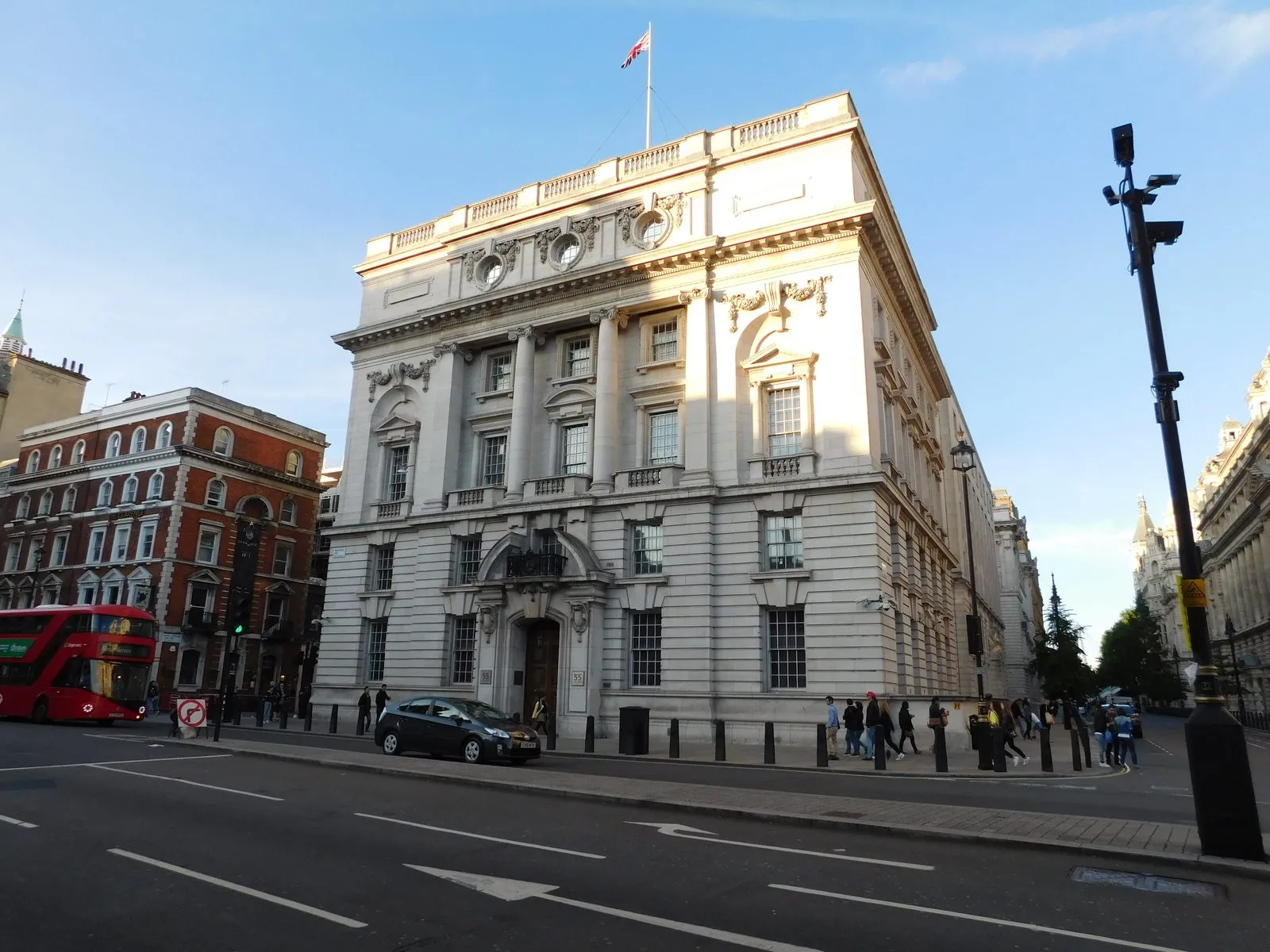
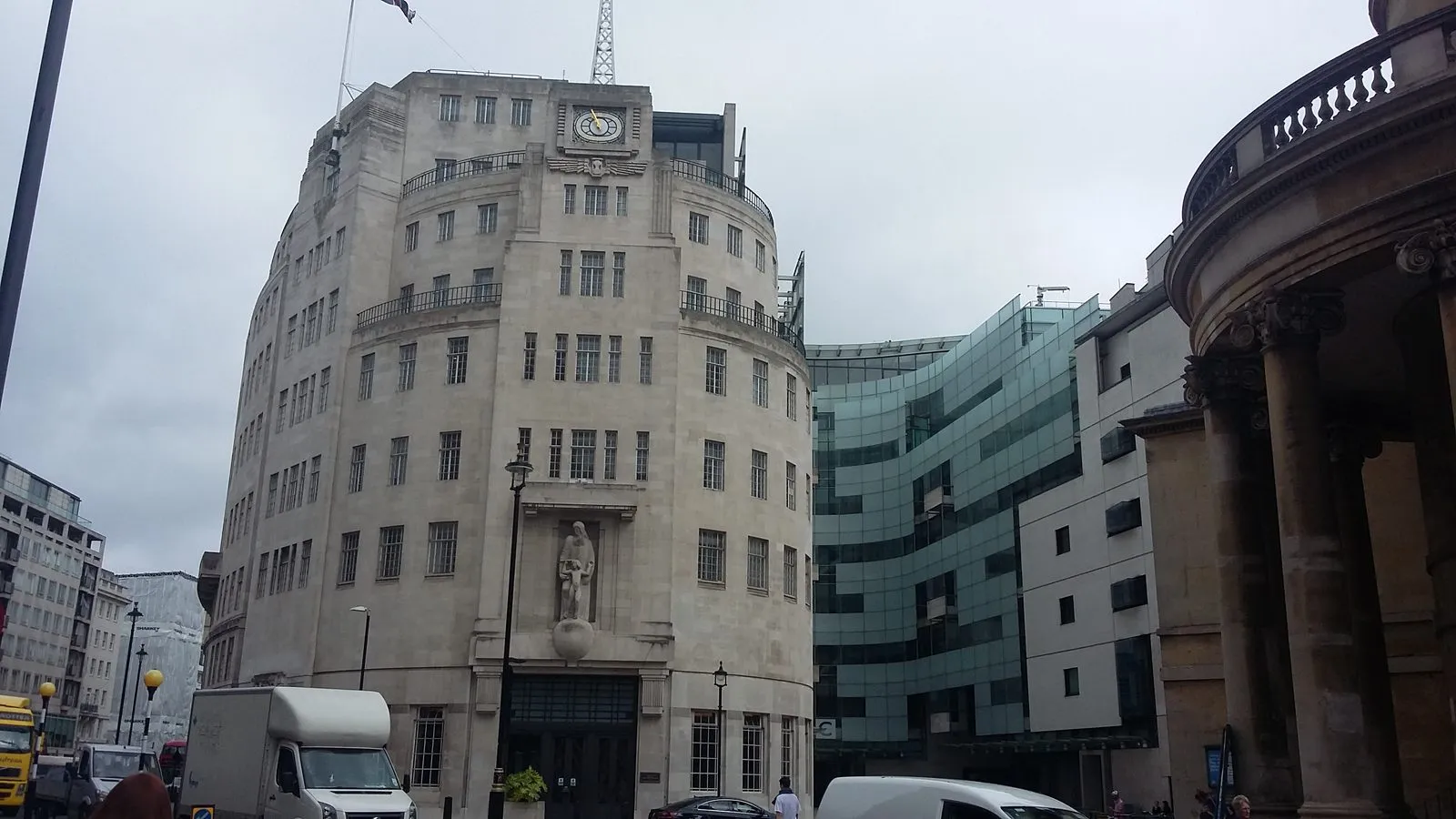 BBC Broadcasting House in London, where the paused civil-service secondment scheme placed government statisticians
Credit: Les Hull / Geograph Britain and Ireland via Wikimedia Commons (CC BY-SA 2.0).
Why it matters: impartiality and the charter
The row goes beyond one placement scheme. The BBC's impartiality is both a legal obligation and the foundation of its public funding, and any suggestion that Whitehall had a hand in its journalism strikes at both. Analysis of the controversy notes the scheme ran for eight years before attracting serious outside scrutiny — raising questions about who authorised it and how it was governed.
The timing sharpens the stakes. The BBC is approaching charter renewal negotiations with the government, and the perception of closeness to Whitehall is politically awkward regardless of what the secondees actually did. Trust in the corporation's journalism has already been dented this year by the row over a misleading edit of Donald Trump in a BBC documentary, which led to the departure of the previous BBC News director. For a broadcaster whose documentary output and big entertainment brands still command huge audiences, the governance of its newsroom is the vulnerable flank. Our politics desk continues to follow the Westminster dimension.
What is BBC Verify?
Understanding the row requires understanding the unit at its centre. BBC Verify is the BBC's specialist verification brand, launched in May 2023, focused on investigative data journalism, forensic analysis, open-source intelligence and fact-checking. It was built to counter misinformation and to explain complex, contested topics — from conflicts to elections — with transparent sourcing.
That mission is precisely why the secondee revelations sting. A verification unit whose authority rests on independence was, according to the Telegraph's reporting, partly staffed by analysts whose salaries were paid by the government whose claims they were checking. The BBC's answer — that the statisticians supplied technical expertise while journalists made every editorial call — may be entirely accurate, and still leave the transparency question unanswered: licence-fee payers were not routinely told that government employees were contributing to the journalism. Further background on the scheme's mechanics underlines how little was publicly disclosed.
What happens next
For now, the scheme is frozen. The two current secondees are sidelined from output, the 2027 recruitment round is paused, and an internal review will decide the arrangement's future. The BBC has not said how long the review will take, nor whether the scheme could return with stricter disclosure rules or governance.
The deeper question — how an eight-year programme placing government analysts inside the national broadcaster's newsroom escaped serious scrutiny for so long — is unlikely to be settled by an internal review alone. Expect it to feature in the charter renewal debate, in Parliament, and in every future argument about what BBC independence actually requires in practice. You can follow more of our reporting as the review unfolds, and read about our mission on our about page.