In Short (TL;DR)- Queen Camilla has revealed that as a teenager she secretly read the then-forbidden novel Lady Chatterley's Lover under her pillow by torchlight, in a new BBC documentary.
- The Queen called reading "the best tonic in the world" and said it had been most of her education, having left school at 16.
- She shared that she and King Charles read together before dinner — and that he loves biographies and PG Wodehouse, often roaring with laughter as he reads.
- The documentary, The Book That Changed My Life, features four people whose lives were changed by books and airs on BBC Two at 21:00 on 14 October.
- Camilla's Queen's Reading Room project, launched five years ago, now reaches a reported 12 million people in 184 countries.
Queen Camilla has lifted the lid on her teenage reading habits, revealing that she secretly devoured D.H. Lawrence's once-forbidden novel Lady Chatterley's Lover — hidden under her pillow and read by torchlight — in a new BBC documentary about the books that shape our lives. The programme was first reported by the BBC.
The Queen's confession comes in The Book That Changed My Life, a BBC Arts documentary in which Camilla explores the transformative power of reading with four people whose lives were changed by books. It airs on BBC Two and iPlayer on 14 October at 21:00.
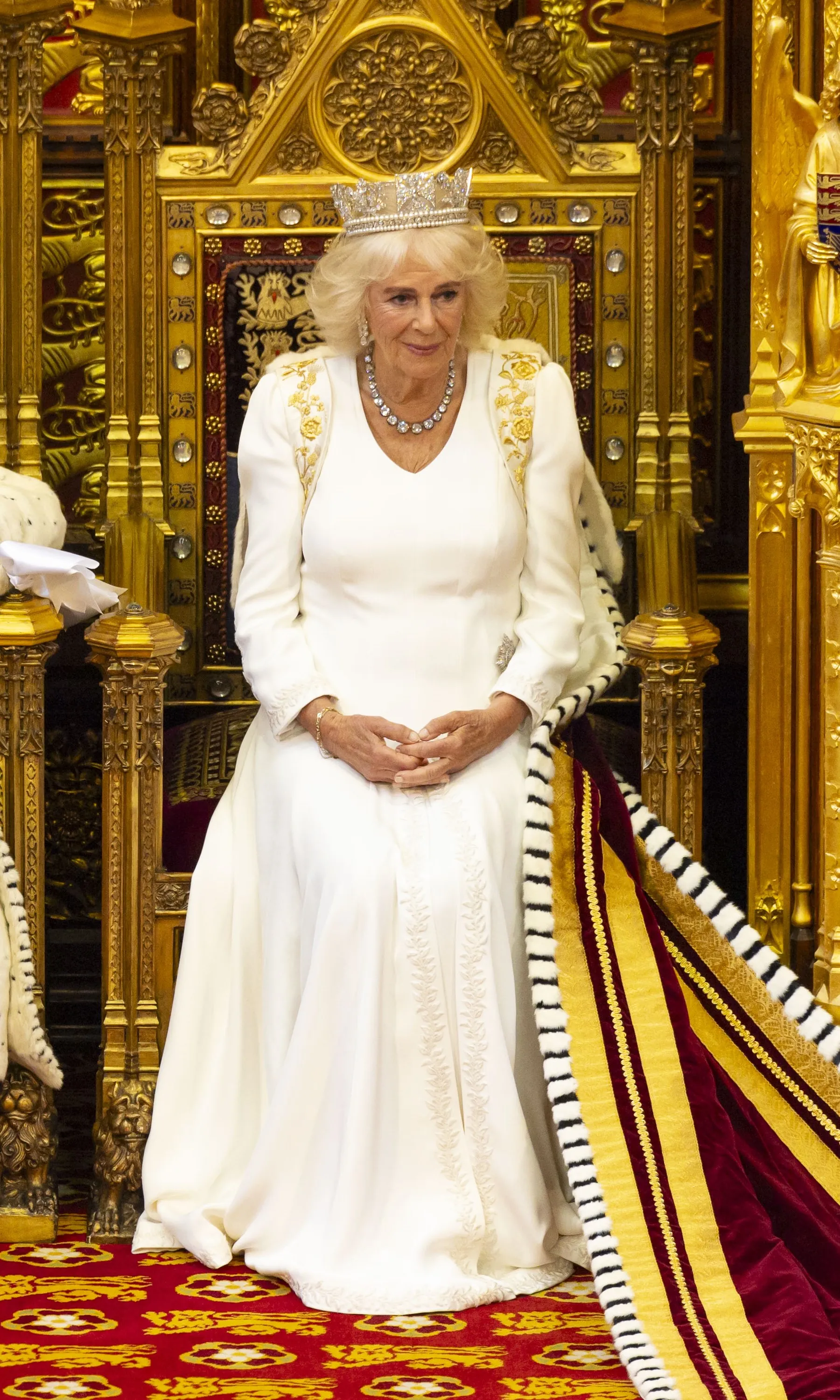
!King Charles III and Queen Camilla at the Sydney Opera House, 2024
Credit: Will Thorpe, Wikimedia Commons, CC BY 4.0
For Camilla, reading was never just a pastime. "I left school quite young… so I think reading has been most of my education," she said, adding that her father began reading to her and her siblings when they were very young.
She described reading as "the best tonic in the world", telling the documentary that after a hard week she switches off the phone and reads until she feels better. Research cited in the programme suggests that just 10 minutes of reading a day can cut stress by 20% — a statistic that will surprise few committed readers. Her message was that losing books would be, in her words, "a complete and utter tragedy."
The Queen's advocacy for literacy has been a cornerstone of her public work for years, building on her long-running support for libraries and reading charities — a cause given extra lustre this week by Anne Carson's 2026 Nobel Prize in Literature. For more royal coverage, see our news section.
The documentary also offers a rare glimpse into the royal couple's private life. Camilla said she and King Charles read together before dinner — "we just like sitting quietly and reading" — and revealed his tastes: biographies and PG Wodehouse.
But her husband's reading style can be disruptive. "I occasionally, when I'm deep in a book, hear him roaring with laughter about something," she said. "It's very off-putting. I can't get back into my book." She was quick to add that it is "a lovely, quiet time" — the kind of domestic detail the public rarely hears from a consort, and one that has been widely picked up, with Geo News reporting on the Palace's release of the Queen's message.
Camilla traced her love of reading to her late father, Major Bruce Shand, a war hero who spent two and a half years as a prisoner of war. Books were his salvation in captivity, she said — he read "every single book, from the Bible to the encyclopedia" — and he passed the habit to his children by reading to them when they were very young.
"We were transported into all sorts of other worlds," she said, recalling childhood favourites including Treasure Island, Peter Pan and A Tale of Two Cities, which left her mesmerised. Dickens's tale of the French Revolution, she implied, was the kind of immersive escape that hooked her for life.
The heart of the documentary is not the Queen's own story but those of her four guests. Camilla hosted them for tea at Clarence House for what she called "one of the most unusual book club meetings I have ever attended."
The guests include Omar Mentesh, a former prisoner who found purpose through reading; Peter Lloyd, a truck driver; Sarah Heward, a café owner; and Ian Kirby, who became afraid to leave his home after an assault and found solace in books. Each, in different ways, credits reading with pulling them through difficult or stressful circumstances.
The format underscores Camilla's long-held belief that literacy is not a luxury but a lifeline — particularly for people in prisons, in stressful jobs, or facing isolation. The story has been carried by outlets across the country, including the Clacton and Frinton Gazette, which reported the Queen's account of the King's laughter. Her Queen's Reading Room project, which she said now reaches 12 million people in 184 countries after five years, is built on exactly that premise. The News reported further details of the documentary's message about reading as education.
A spokesman for the Queen said she wanted to make the documentary to illuminate the power of books to change lives, describing it as a cause close to her heart and one of the core foundations of her public work over many years.
The choice of Lady Chatterley's Lover as the headline anecdote is a shrewd one. It is instantly recognisable, faintly scandalous, and utterly humanising — a reminder that behind the titles and state occasions, the Queen was once a teenager hiding a racy novel under her pillow, just like millions of other readers.
It also carries a neat literary symmetry. Lawrence's novel was prosecuted for corrupting its readers; Camilla's documentary argues the opposite — that books save people. The arc from the banned book of 1960 to a royal literacy campaign reaching millions in 184 countries tells its own story about how far attitudes to reading have travelled.
The documentary lands at a moment when the royal family is leaning into more personal, relatable storytelling — and as the literary world marks the death of novelist Jeffrey Archer aged 86, it is a reminder of how deeply books shape public life. Whether it moves the needle on literacy statistics remains to be seen, but as a piece of public advocacy, it plays to Camilla's genuine strengths. Verity will carry full coverage of the broadcast — and for more on the arts, browse our entertainment section. Learn more about our newsroom.