In Short (TL;DR)Russell Brand, 51, appeared at Southwark Crown Court in London on Monday for the start of his trial. He faces seven charges — three counts of rape, three of sexual assault and one of indecent assault — involving six women and alleged incidents between 1999 and 2009. Brand has pleaded not guilty to all the charges and remains on bail. Jury selection began on Monday; the judge told prospective jurors Brand firmly denies the allegations and the trial is expected to last around six weeks.
Comedian and actor Russell Brand appeared at Southwark Crown Court in London on Monday for the start of his trial on multiple sexual offence charges, as jury selection got under way in one of the most closely watched celebrity cases in Britain in recent years, covered by the BBC.
The 51-year-old arrived at the courthouse on the south bank of the Thames with his wife, Laura, wearing a grey suit and sunglasses, flanked by security guards, according to AFP reporting. Press benches inside the courtroom were packed as proceedings began.
Brand, who has pleaded not guilty to all the charges, sat in the dock as the first stage of the trial commenced. He did not speak during the proceedings. He remains free on bail ahead of the trial.
It is a case that has drawn intense public and media interest, and follows other high-profile legal proceedings in the UK reported by Verity this year, underscoring how heavily scrutinised the court process has become when famous figures are in the dock.
Brand faces seven sexual offence charges involving six women, relating to alleged incidents said to have taken place between 1999 and 2009. The charges comprise three counts of rape, three counts of sexual assault and one count of indecent assault.
At earlier hearings, prosecutors set out the nature of the allegations: that Brand raped a woman in a hotel room at a Labour Party conference, grabbed a television worker's breasts and forced her into a sex act in a toilet, and kissed and groped a radio station worker, as reported by the Associated Press. Brand has consistently denied all the accusations.
Under British law, complainants in sexual offence cases are entitled to lifetime anonymity in the media, and the women involved have not been named. Reporting restrictions around the case remain in force, as they do in every criminal trial before a verdict is reached.
Monday's proceedings were dominated by jury selection. The judge, Joel Bennathan, addressed the prospective jurors directly, telling them: "We are about to start the trial of one Mr Russell Brand. Many of you will have heard of him."
The judge asked the panel whether they had watched a Channel 4 Dispatches documentary or read a long newspaper article, published in 2023, in which allegations of sexual misconduct were made against Brand, as the Straits Times reported. Those who said they recalled the coverage were excused from serving. The judge told the court that Brand firmly denies those allegations.
He then warned the remaining jurors in the clearest terms: "You absolutely must not carry out any research at all about this defendant." Jurors are to be formally sworn in on Tuesday, with the prosecution expected to open its case later in the week, the South China Morning Post reported.
The 2023 joint investigation by Channel 4's Dispatches programme, The Times and The Sunday Times was the moment the allegations entered the public domain. Brand denied wrongdoing when they emerged, posting a video statement in which he said his past relationships had been consensual. The investigation's findings were always reported as allegations, and Brand's denials were carried alongside them.
Brand was one of the most recognisable faces in British entertainment in the 2000s. Born in 1975 to working-class parents in Essex, east of London, he began his stand-up career as a teenager before breaking through as an MTV presenter and host of the reality-television spin-off Big Brother's Big Mouth.
From 2006 to 2008 he presented a show on BBC Radio 2, but resigned after a notorious on-air prank in which he left a sexually explicit voicemail for Fawlty Towers actor Andrew Sachs about his granddaughter — a scandal that dominated the news agenda at the time and cost him his BBC job.
He then crossed over to Hollywood, appearing in films including Forgetting Sarah Marshall (2008) and Get Him to the Greek (2010). In 2010 he married US pop star Katy Perry in a brief, high-profile union that ended in divorce in 2012 after about 14 months.
In more recent years Brand withdrew from mainstream media and relocated to Florida, building a large online following with videos mixing wellness, conspiracy theories and discussions of his religious devotion — at a time when regulators are paying closer attention to online platforms and personalities, as Ofcom's scrutiny of Meta's services illustrates. That reinvention as an online personality — a conservative commentator with millions of followers — is part of why Monday's court appearance drew such a large media presence outside the court.
The case has inevitably been compared in media commentary to other trials of public figures, though legal experts caution that every case turns on its own evidence. Verity has previously covered the challenges facing women who report sexual assault in the United States, where different legal systems handle such cases in different ways.
The route to this trial has been a long one. Brand was first charged in April 2025, when the case involved four women and alleged incidents said to have occurred between 1999 and 2005 — one count of rape, one count of indecent assault, one count of oral rape and two counts of sexual assault, according to the Metropolitan Police. He appeared at Westminster Magistrates' Court on 2 May 2025.
Since then, the prosecution's case has expanded. Further charges were brought, and Brand attended several preliminary hearings, including a pre-trial hearing at Southwark Crown Court on 6 October 2026, six days before the trial began. The case that has now gone before a jury comprises seven charges involving six women, with the alleged time frame extended to 2009.
The expansion of the case is itself a matter of public record and does not alter the central legal fact: the charges are allegations, Brand denies them, and it is for the jury alone to determine the verdict on the evidence presented in court.
With jury selection under way, the prosecution is expected to begin presenting its case later this week. The judge told the court the trial is expected to last about six weeks, although some media outlets have suggested the timetable could stretch to around 10 weeks. The first full hearing days will see the opening statements from both sides before witnesses are called.
Legal commentators note that trials of this kind are often complex and emotionally demanding for everyone involved. The women involved are legally entitled to anonymity, a protection that will continue regardless of the outcome.
For now, the proceedings continue under the ordinary rules of British criminal justice: the prosecution must prove its case beyond reasonable doubt, and the defendant is innocent until proven guilty. As the wider entertainment industry watches the case unfold, the court — not the media, and not public opinion — will decide where the truth lies. Verity's news desk will continue to follow developments as the trial progresses.
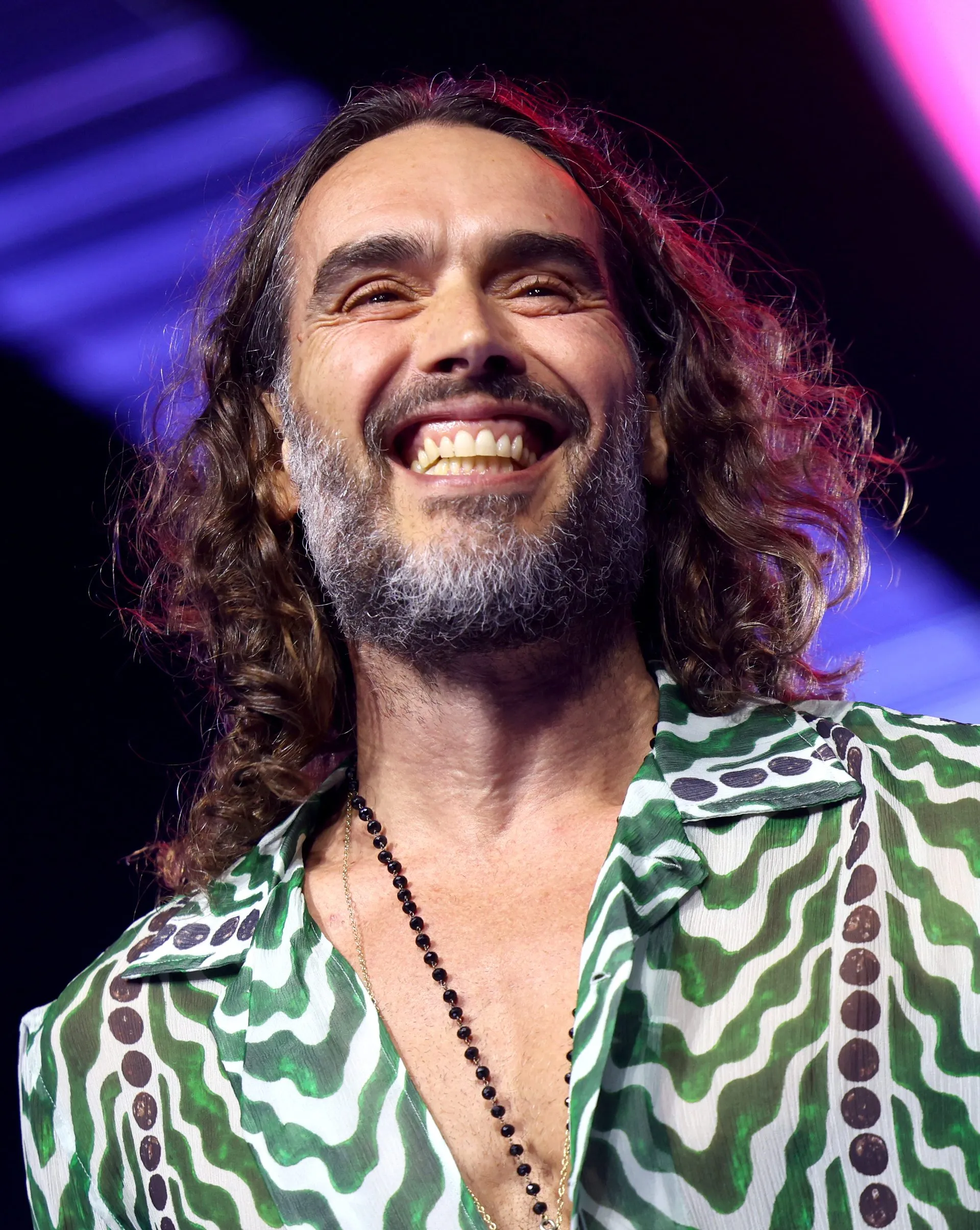
Russell Brand portrait photograph
Brian Solis / Wikimedia Commons / CC BY 2.0