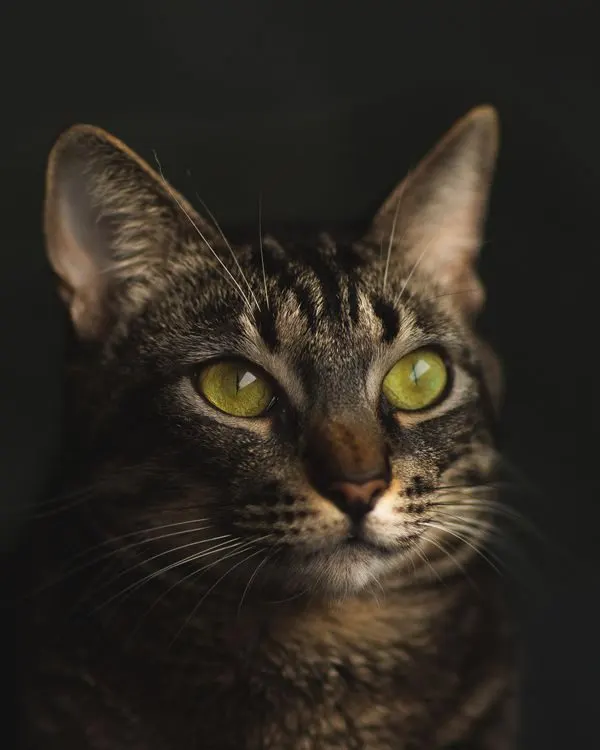
Losing a pet is distressing enough. For a growing number of owners in the UK, that distress is now being exploited by fraudsters who use artificial intelligence to fake proof that the animal has been found, then demand money for its return.
The scam follows a cruel pattern. Owners post appeals for a missing cat or dog on rescue websites and social media groups. A stranger then makes contact, sends a picture that appears to show the pet, and spins a detailed story about how it was found. Hope rises. Then comes the demand: gift cards, or a large payment, before any reunion. In some cases, when owners hesitate or question the story, the messages turn threatening, with warnings that the animal will be sold or killed.
Three cases reported to the BBC show how the fraud works in practice, and how easily even cautious owners can be drawn in.
A cat called Buddy
Stephanie Young, a foster carer from Birmingham, lost her cat Buddy from her garden in September last year. She posted appeals across pet rescue sites and social media groups, as thousands of owners do every year. Her hopes rose when a woman named Melissa contacted her, sending an image that appeared to show Buddy and saying she had been feeding him.
The story came with a sympathetic detail: Melissa said she wanted reward money to help her autistic grandchildren. Young was convinced she had found her cat. She withdrew money from the bank and agreed to meet nearby to collect him. But Melissa never turned up. She refused a cash payment and instead pressed for 100 Apple gift cards as the reward.
When Young questioned the story and discovered the images were AI-generated, the tone changed. Threats followed, warning that her pet would be sold or killed. More than a year on, Buddy has still not been found, 13 months after he went missing. Young described her shock that anyone could exploit a missing pet in this way.
Two more owners, the same pattern
Cam Chauhan, from Wednesbury, received a convincing image of her missing cat Creed, apparently sitting in a garden, nine months after Creed went missing. The contact demanded a 200 pound Apple gift card before arranging any reunion. Chauhan refused to pay before getting her cat back, so no meeting took place.
Sarah Robinson, from Northampton, was contacted by a man claiming to have found her cat Cookie just two weeks after Cookie went missing. He sent a photo of a cat resembling Cookie outside a window, but demanded 40,000 pounds through a payment link and threatened to kill the cat when she refused.
The three cases differ in scale, from a single gift card to an extraordinary five-figure demand. What they share is the method: an image presented as evidence, a plausible backstory, a demand for payment before the animal is produced, and pressure or threats when the owner resists. All three owners reported their experiences to the UK fraud reporting service.
Why AI has changed the fraud
Fraud experts say the technology behind the scam is the reason it is spreading. Dr Raja Qassem, a senior academic at Aston University, has pointed out that AI now makes tasks that were once technically difficult easy, accessible and free. A fraudster no longer needs photography skills or access to the animal. A few prompts can produce a picture that looks like a particular pet in a new setting, and that picture can be sent to an owner within minutes of spotting a lost pet appeal.
The wider fraud picture is stark. Reporting on the cases notes that almost 1.3 billion pounds was stolen by scammers in the UK in 2025, as criminals increasingly use AI across many types of fraud. The missing pet variant is especially harmful because it targets people at a moment of emotional vulnerability, and because the threats against the animal add fear to financial pressure.
The scam also borrows the language of genuine rescue. Real finders do contact owners, and real rescues do sometimes ask for help with costs. The fraud works by mimicking that goodwill closely enough to pass a first glance, then steering the conversation toward payment before the owner can check anything.
How to protect yourself
Fraud prevention advice points to a few simple checks that cut through the story. First, never pay before you have seen your pet. A genuine finder can show the animal on a live video call, or describe a detail that only someone holding the pet would know. A photo alone proves nothing, because photos can now be generated or edited in seconds.
Second, treat any demand for gift cards as a red flag. No legitimate organisation asks for payment in gift cards, and fraudsters favour them because they are hard to trace once the codes are shared. The same applies to demands for cryptocurrency, wire transfers or payment links sent by a stranger. Action Fraud's gift card fraud guidance makes the same point: gift cards can only be used to buy goods from the retailer named on the card, and no genuine organisation will ask you to pay a bill or fee with them.
Third, slow the conversation down. Scammers rely on urgency, on the fear that delay might harm the animal. Taking time to talk to someone you trust, to contact a local rescue, or to check the image with a reverse image search, breaks that pressure. If the contact refuses a live video call, or keeps moving the meeting, that is itself an answer.
Owners can also reduce their exposure when they first post an appeal. Sharing fewer close-up photos, and avoiding details such as a pet's exact markings or microchip number in public posts, gives fraudsters less material to work with. Rescue groups advise owners to keep one identifying detail private, so it can be used as a test question if someone claims to have found the animal.
What to do if you are targeted
If you receive a suspicious message, keep the evidence: screenshots of the conversation, the image, and any payment details requested, but do not send money or share gift card codes. Report the incident to Report Fraud, formerly Action Fraud, and contact your bank immediately if you have already paid, since it may be able to recover funds. In Scotland, reports go to Police Scotland on 101.
It is also worth warning the rescue groups and social media communities where the original appeal was posted, so other owners in the area know the scam is circulating. Fraudsters often work through lists of recent appeals, and a quick warning can protect the next owner on that list.
The emotional impact deserves attention too. Owners who spoke to the BBC described anger and fear, and for Young, the loss of Buddy remains unresolved more than a year later. The scam does not only risk money. It prolongs grief, turns hope into a weapon, and can leave owners doubting genuine offers of help in future. That is why rescue organisations are increasingly warning new posters about the fraud at the moment they appeal, before any scammer makes contact.
Technology will keep making fake images easier to produce, and the advice will therefore keep shifting toward live verification rather than trusting pictures. The rule that rescue groups now repeat is simple: no money before a live video. If a finder cannot show the animal moving, speaking and responding in real time, the claim should be treated as unproven, however convincing the photograph looks. For more on the technology behind the fraud, see our Technology section, and for how AI is reshaping other parts of daily life, see AI data centres could undermine UK net zero goals and Scotland urged to embrace AI, says minister. Our News section covers consumer protection stories, and our World section follows fraud trends abroad. Readers can also read about the device market in Apple foldable iPhones and Christmas supply, visit the Verity homepage for the latest headlines, or learn about us on the About page.
External sources for this story include the BBC report, Action Fraud's gift card fraud guidance, practical advice on the lost pet scam, a Trading Standards gift card scam warning, and coverage from Digital Trends and Antigua News Room.
 A person holding a smartphone, as owners receive photos from strangers claiming to have found a pet
Owners typically receive the fake images by phone message. Photo: Pexels (generic illustration).


