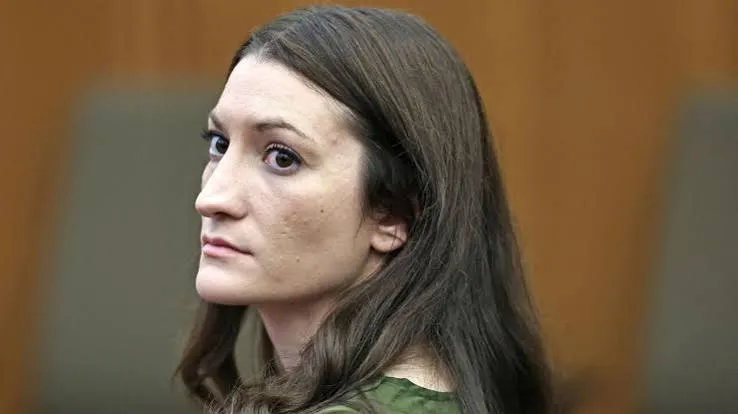
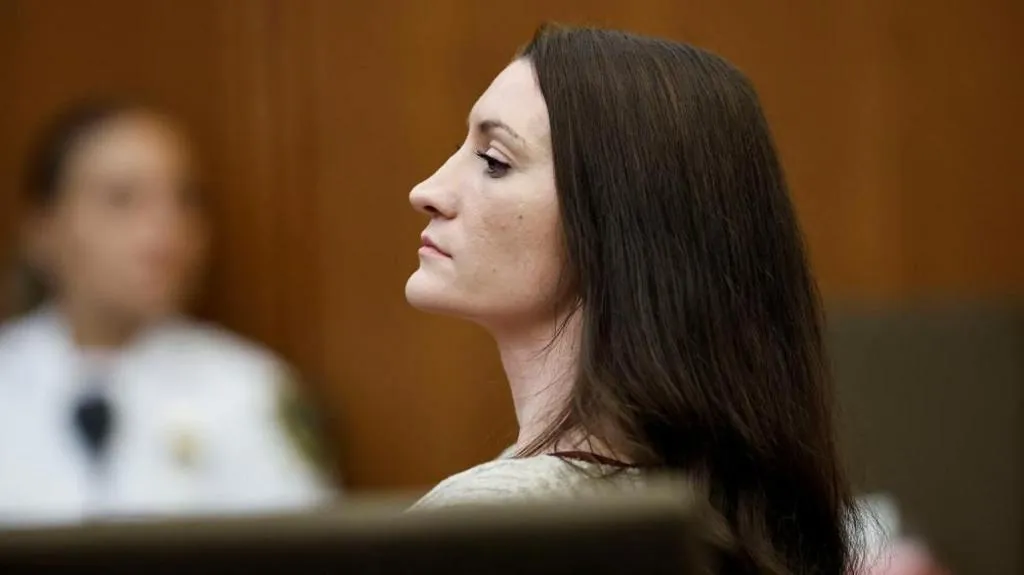
What Happens If a Mistrial Is Declared in the Lindsay Clancy Case?
The jury deciding the fate of Lindsay Clancy, the Massachusetts mother accused of killing her three young children, has been unable to reach a unanimous verdict, putting the high-profile case on the verge of a possible mistrial.
Judge William Sullivan indicated that he may declare a mistrial after jurors repeatedly reported that they remained deadlocked. However, Clancy’s attorney, Kevin Reddington, requested additional time to file an emergency appeal before the judge formally takes that step.
If a mistrial is declared, the current trial will end without a verdict. It would not mean that Clancy has been found guilty or not guilty.
The jury has reportedly struggled to reach a unanimous decision after extensive deliberations.
Clancy is facing three counts of first-degree murder in connection with the deaths of her three children in 2023. She has acknowledged killing the children but pleaded not guilty, with her defense arguing that she was experiencing postpartum psychosis and therefore should not be held criminally responsible.
Prosecutors have presented a different theory, arguing that Clancy intentionally planned and carried out the killings.
The six-week trial included substantial expert testimony and complex arguments surrounding Clancy's mental state, criminal responsibility and the events surrounding the children's deaths.
After jurors indicated multiple times that they could not agree, the judge gave them additional instructions encouraging them to continue examining the evidence and considering different viewpoints.
The jury nevertheless remained deadlocked.
A mistrial occurs when a trial ends without a final verdict.
In a criminal case, jurors generally must reach the required level of agreement to return a verdict. When they remain hopelessly deadlocked and cannot reach that decision, a judge can declare a mistrial.
A mistrial is not the same as an acquittal.
It also does not establish that prosecutors failed to prove their case permanently. Instead, the case may continue through another legal proceeding.
A mistrial would not automatically mean that Lindsay Clancy walks free.
According to legal experts cited in the case, she could remain in the mental health facility where she is currently being held while prosecutors and defense attorneys determine what happens next.
Her lawyers could potentially seek a review of her detention or bail circumstances.
The court would then have to deal with the next stage of the case, depending on the decision made by prosecutors and any motions filed by the defense.
Yes. A retrial is one of the main possibilities following a mistrial caused by a deadlocked jury.
If prosecutors decide to pursue the case again, the process would essentially begin with a new jury. Jury selection would take place again, followed by another trial.
The timing of a possible retrial could depend on several factors, including the court's schedule, legal motions filed by both sides and the availability of expert witnesses.
Because the Lindsay Clancy case has attracted significant public attention, legal experts have suggested that prosecutors may have strong reasons to consider pursuing another trial.
Yes, prosecutors could also decide not to pursue another trial.
After a mistrial, prosecutors may evaluate the strength of the evidence, the difficulties encountered during the first trial and the likelihood of securing a conviction before deciding how to proceed.
Another possibility is a plea agreement, in which the prosecution and defense negotiate a resolution rather than holding another full trial.
The final decision would depend on the circumstances of the case and the decisions made by the parties involved.
The exact reasons behind the jury's disagreement are not publicly known.
The identities of the jurors have not been released, and the court has taken measures to protect their anonymity.
However, the case involved complicated evidence concerning Clancy's mental state and the defense's claim of postpartum psychosis. Both sides relied heavily on expert testimony, potentially giving jurors different interpretations of the evidence.
The public may learn more about the jury's discussions only if individual jurors later decide to speak publicly about their experience.
If prosecutors choose to retry the case, a new group of jurors would be selected.
The prosecution and defense would again present their evidence and arguments before the new jury. The defense could continue to argue that Clancy's mental condition prevented her from being legally responsible for the deaths.
Prosecutors would again attempt to establish their case beyond the required criminal standard.
A retrial could therefore bring many of the same central questions back into court, particularly the debate over Clancy's mental state and whether she should be held criminally responsible.
The most important point is that a mistrial does not decide Lindsay Clancy's guilt or innocence.
If the judge formally declares a mistrial because the jury cannot reach a verdict, the current trial ends without a final decision.
After that, prosecutors could:
- Seek a new trial
- Negotiate a plea agreement
- Decide to dismiss the charges
Clancy would not automatically be released simply because the jury failed to reach a verdict.
The next steps will depend on the judge's ruling, any emergency appeals and the decision prosecutors make about whether to continue pursuing the case.