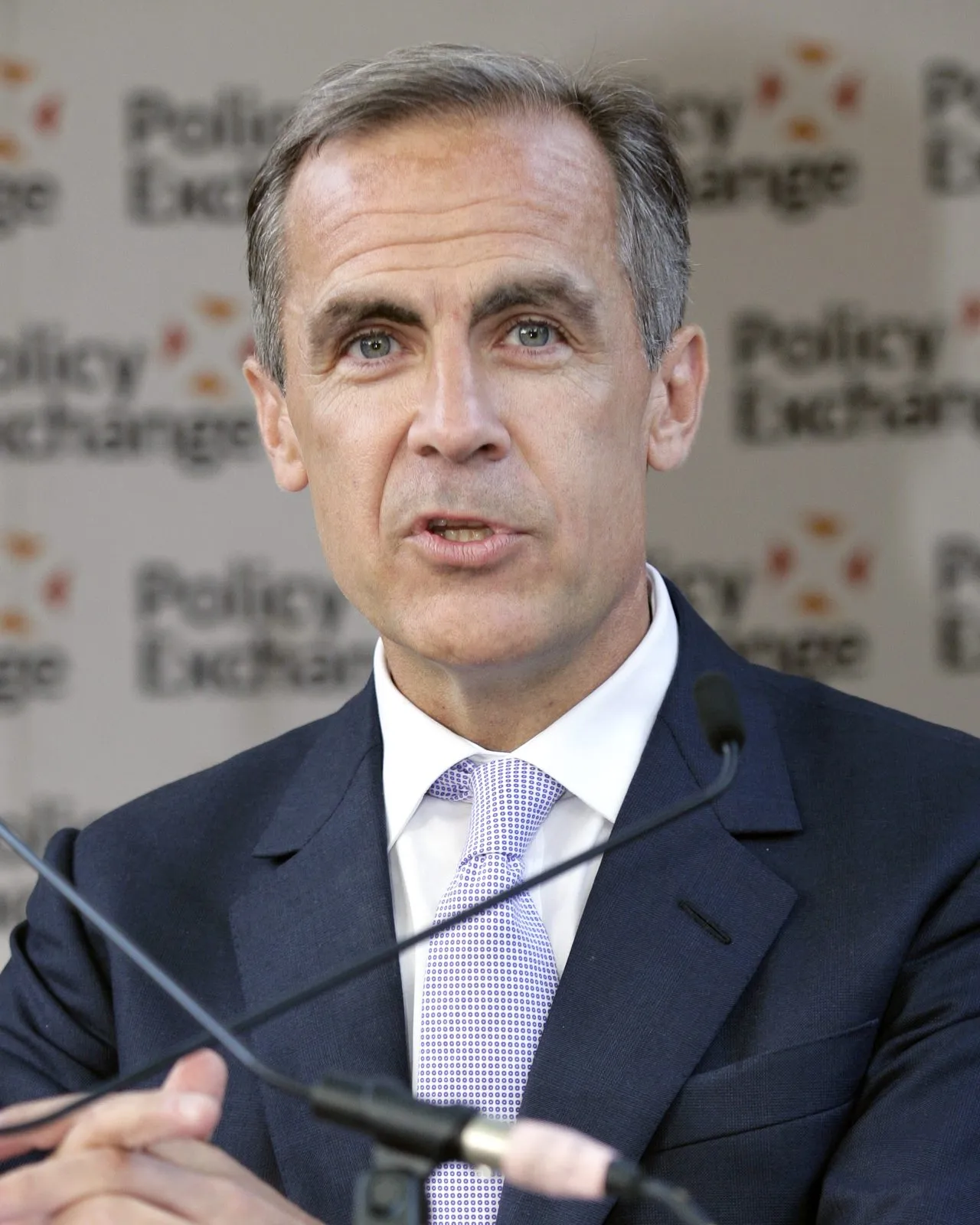
Cover image: Canadian Prime Minister Mark Carney — Policy Exchange, Wikimedia Commons, CC BY 2.0.
What the embassy alleged
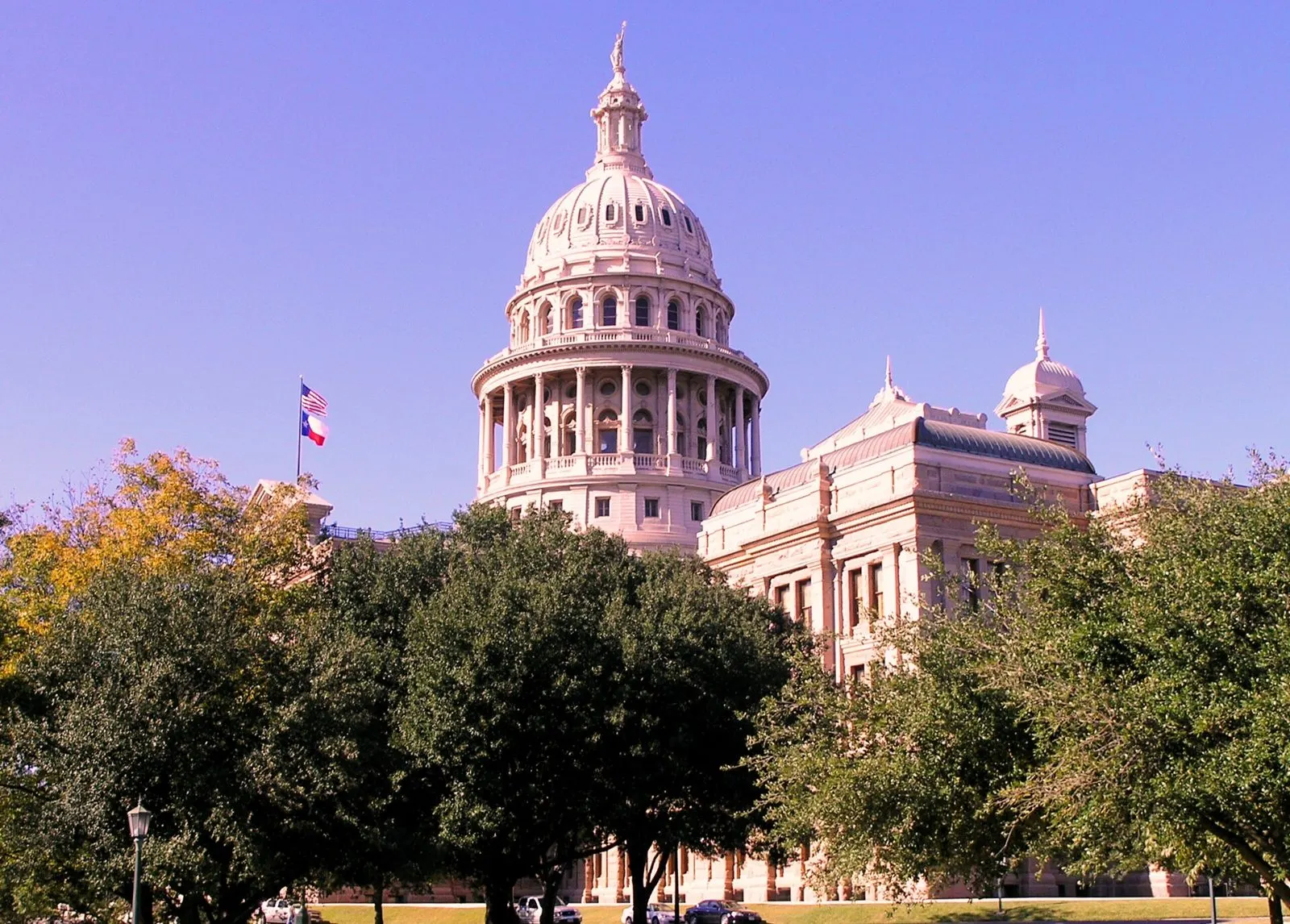
The United States Embassy in Ottawa has accused Canadian leaders of attempting to influence American politics ahead of November's midterm elections, releasing an unsigned fact sheet on 21 October that sharply escalates the diplomatic row between the two neighbours.
The document, titled "Monitoring Canadian Activities in U.S. Politics", says the Canadian government has dismissed concerns about "potential interference in U.S. elections" even as its ministers and provincial premiers "openly describe plans to influence American politics in official documents and public appearances". The embassy cited meetings with US Democratic leaders and calls for retaliatory tariffs aimed at politically significant American states.
"All Canadians should refrain from attempting to participate in or influence U.S. elections in any way," the embassy's statement said. "Americans decide America's elections."
Notably, while the fact sheet laid out several examples of Canadian officials trying to shape US trade policy, it did not explain how those efforts amounted to interference with the electoral process itself. It also listed 11 individual Canadians who had been charged or sentenced for unlawful voting between 2012 and 2024 — but presented no evidence linking those citizens to any Canadian government effort, a gap noted in coverage of the document by Al Jazeera and other outlets.
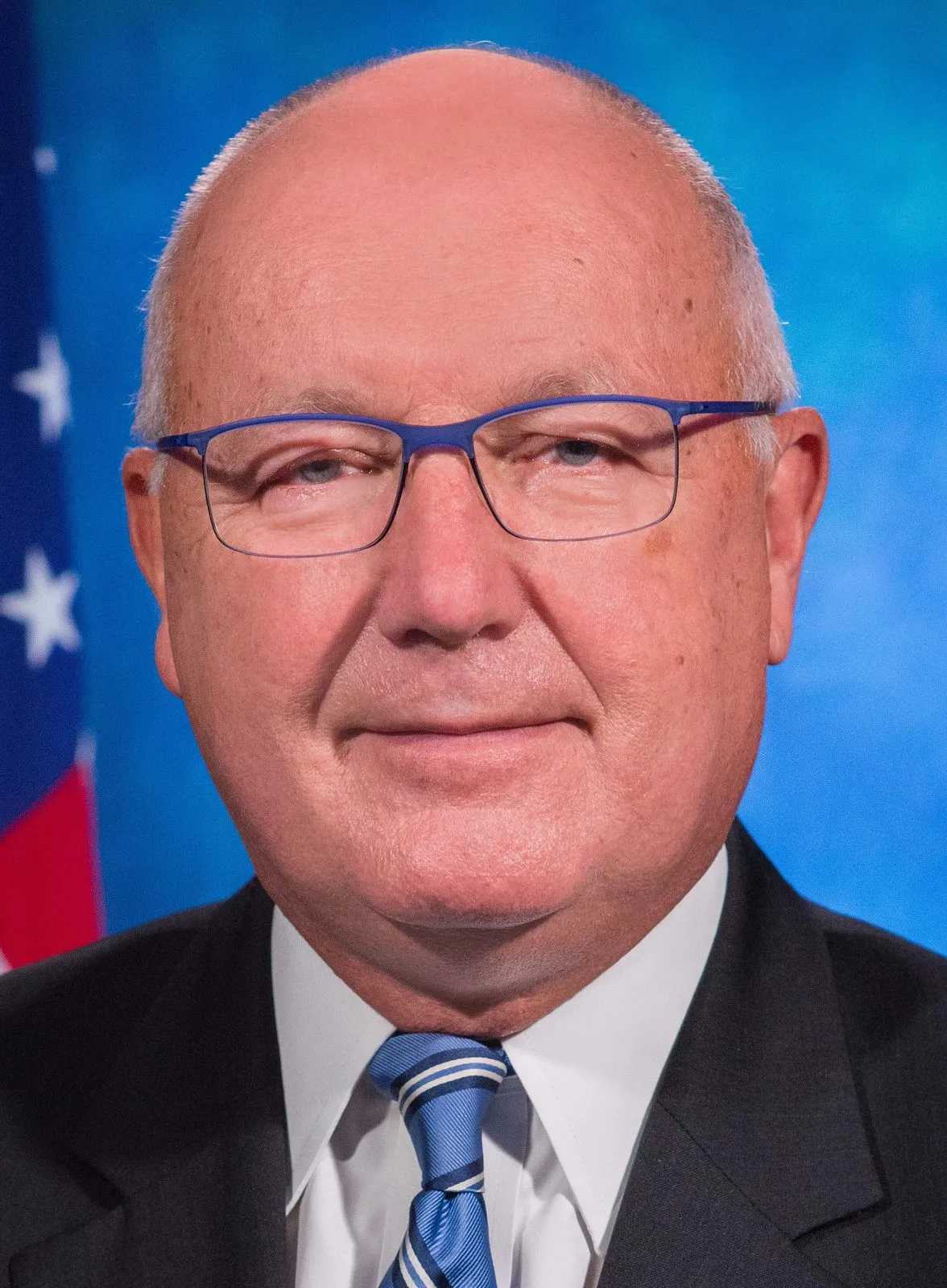 Pete Hoekstra, US Ambassador to Canada.
Pete Hoekstra, the US Ambassador to Canada, warned last week that Washington was "monitoring" Ottawa for signs of interference. (United States Department of State / Wikimedia Commons, Public domain)
The ministers and premiers named in the document
Canadian Industry Minister Mélanie Joly features five times in the fact sheet, making her its most prominent target. The embassy cited her meetings with US Democratic officials in Boston and Chicago in September 2026, ahead of the midterms. According to a 19 September report by La Presse Canadienne cited in the document, Joly was asked what she expected regarding tariffs if Democrats won the elections. "That's exactly why I'm meeting so many governors and potential presidential candidates," she replied.
The fact sheet also quoted Joly's remarks at an August press conference, in which she acknowledged that Canada's retaliatory trade measures were designed to apply political pressure on US states. "We're also targeting products that will target states in the U.S. And so we're being wise and strategic to put political pressure," she said. A March 2025 remark in which she said Canada was putting pressure on American businesses in key Republican states to influence the Trump administration was also included.
Ontario Premier Doug Ford was the other major figure named. The embassy pointed to his proposal that Canada consider additional retaliatory tariffs on imports from US states politically important to President Donald Trump's supporters, as well as Ontario's $75 million anti-tariff advertising campaign launched in October 2025 — a campaign built around clips of former president Ronald Reagan criticising tariffs in a 1987 radio address, which prompted Trump to call off trade talks with Canada, according to Reuters reporting referenced across the coverage.
Other alleged instances included Liberal MP Anthony Housefather saying he had campaigned in Florida on behalf of Democratic Representative Debbie Wasserman Schultz ahead of her primary election in August, and references to Bernadette Jordan, a former cabinet minister who now serves as Canada's consul general in Boston. CBC and the Globe and Mail have reported on the fact sheet's claims and Ottawa's denials.
The trade war backdrop
The accusation cannot be separated from the wider confrontation between Washington and Ottawa. The US and Canada have long been close allies, but relations have frayed badly since Trump's return to office. The Republican leader has triggered a bruising trade war with Canada and repeatedly threatened to make the country America's "51st state" — rhetoric that has infuriated Canadians and reshaped the country's politics.
The tariff battle has seen Ottawa respond with retaliatory duties and public pressure campaigns, the very actions the embassy now frames as potential election interference. The embassy's sheet also arrived in a week when Canadian officials were raising the mirror-image concern: ahead of a failed provincial referendum on Alberta's independence, Prime Minister Mark Carney said Canada expected foreign governments to stay out of its elections, amid reports that separatist leaders from Alberta had sought support from Trump administration officials.
For context on how the US economy is faring under the tariff regime, see our coverage of the slowing US jobs market.
Ottawa's response: Carney, Ford and Joly push back
Canadian leaders rejected the allegations swiftly and in strong terms. Speaking at a press conference on Wednesday, Carney said the United States had initiated the trade actions against Canada and that his government had merely responded to defend the national interest.
"We've responded to those to protect Canadian jobs, to protect Canadian companies and develop our economy," Carney said, adding that the measures were taken in the interests of Canadian workers, families and the country's economic future.
Ford was equally blunt. "I have no interest at all in interfering in US elections," he said, adding that American voters would decide the outcome themselves. Joly, for her part, has previously said her meetings in the United States were intended to attract American investment to Canada and that she planned to continue them — a framing directly at odds with the embassy's interpretation.
The Associated Press and Canadian outlets reported that Ottawa views the fact sheet as a political escalation rather than a serious legal charge, noting that the embassy itself did not allege any interference with ballots, voting machines or election administration.
A warning that preceded the fact sheet
The fact sheet did not come out of nowhere. A week earlier, US Ambassador to Canada Pete Hoekstra told the podcast The Really Big Show that Washington was closely watching Canada for signs of interference ahead of the midterms.
"We're monitoring it, we're evaluating it and if some of it becomes election interference then America will respond to it," Hoekstra said, according to The Canadian Press.
Hoekstra's remarks set the stage for the embassy's formal document, and they underscored how the Trump administration has reframed long-standing diplomatic and trade advocacy by allied governments as potential meddling. The midterm elections loom large over Washington's posture toward all its trading partners, with Trump's team treating foreign pressure on tariffs as a domestic political issue.
What this means for the US-Canada relationship
The row marks a new low in a relationship that was already under severe strain. Where previous disagreements centred on tariffs and trade talks, the embassy's fact sheet introduces a far more combustible charge — election interference — into the bilateral vocabulary. It is the same language the US typically reserves for adversaries, not its closest ally and largest trading partner.
Whether the allegation has any practical consequence beyond rhetoric remains to be seen. Ottawa has shown no sign of curbing its retaliatory trade strategy or its ministers' travel to the United States. But the fact sheet guarantees that Canadian actions — public statements, ad campaigns, even constituency-style campaigning by individual MPs — will now be catalogued in Washington as potential interference, a dynamic that could poison negotiations well beyond November.
For more on Trump's posture toward the midterms, read our analysis of Republicans walking the Trump tightrope, and for the site's latest political coverage, visit the Politics section or the homepage. You can also learn more about Verity.