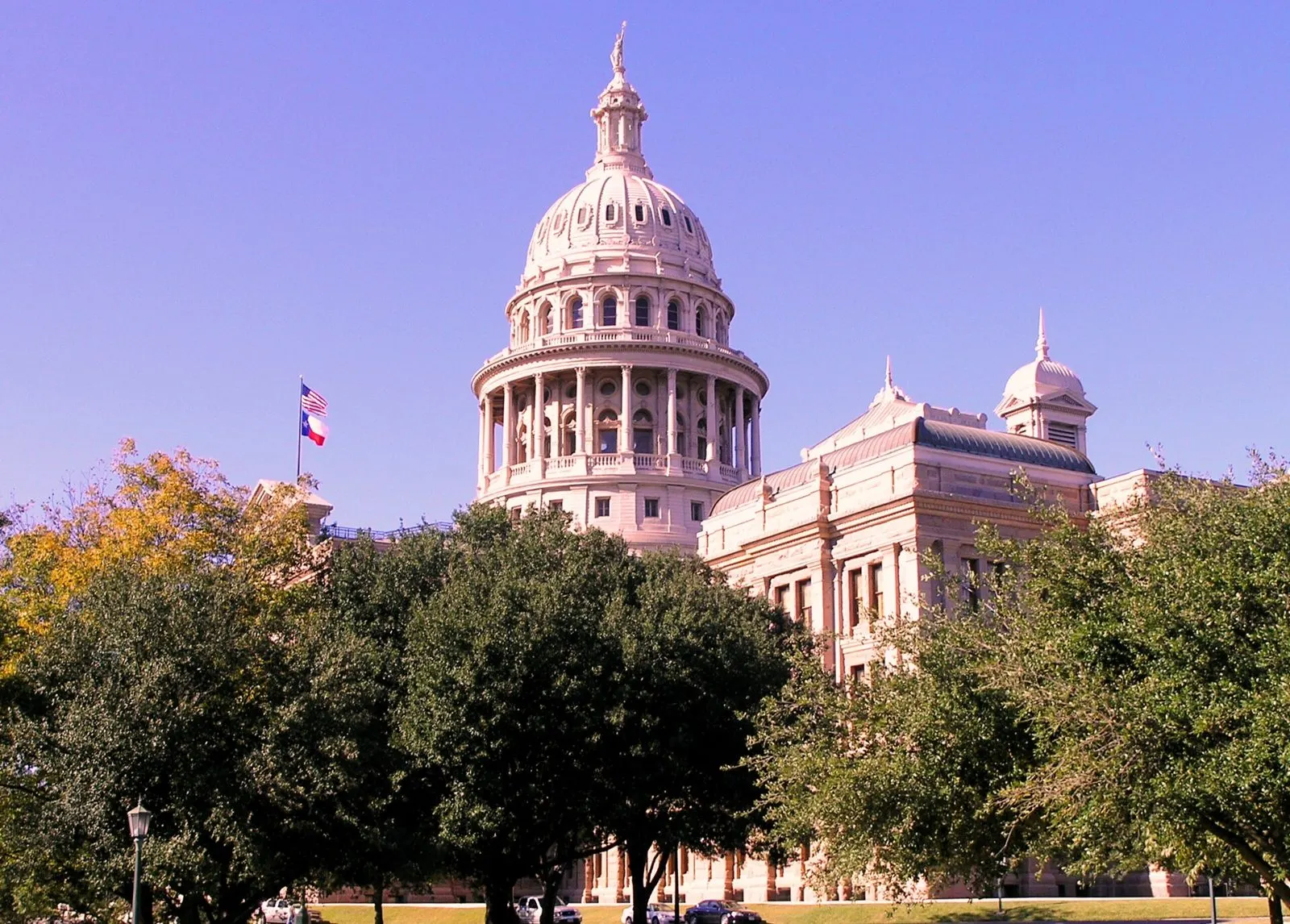
A record sum from a single donor
Elon Musk has put about 446 million dollars into the 2026 United States midterm elections, according to analyses of Federal Election Commission filings by the Washington Post and the Guardian. That figure, if it holds, makes him the largest individual donor in a single election cycle in modern American history. It is a record built not on one cheque, but on a series of very large transfers in the final months of the campaign, with roughly 200 million dollars added in the last two months before election day on 3 November.
The number needs careful handling. It is a total of contributions to political groups, not a measure of how much Musk personally spent on advertising or campaigning, and different analyses reach slightly different totals depending on what they count. The Guardian's tally, based on filings through 29 October, was 445.77 million dollars, as reported in FEC coverage. The Brennan Center for Justice put the figure at 483 million dollars when donations from his company, United States of America Inc., are included, a higher tally also noted in filing coverage. The BBC headline figure of 446 million dollars is the rounded Washington Post total, and it is the one used here. Final campaign reports covering the last weeks of the race are not due until 3 December, so the full price of this election will not be known until a month after voters cast their ballots.
What is not in doubt is the scale. OpenSecrets projects the 2026 midterms will cost a record 11.9 billion dollars in total, about 30 percent more in real terms than the 2022 cycle. Musk's giving alone is just under 4 percent of that projected total. For one person to account for that share of an entire national election, in a country of more than 330 million people, is without modern precedent. That is the story, and it is worth stating plainly before turning to where the money went.
Where the money went
Two recipients dominate the picture. About 216 million dollars went to America PAC, the super PAC Musk founded in 2024. Counting in kind contributions attributed to him, Musk supplied 99.9 percent of that committee's receipts, which makes America PAC, in financial terms, an extension of Musk himself rather than a broad coalition of donors. The group spent across more than 40 congressional races, with activity in 17 states, and it became one of the most visible outside spenders of the cycle.
The second big recipient was the Senate Leadership Fund, the principal super PAC backing Republican Senate candidates, which received about 168 million dollars from Musk. That was roughly 31 percent of everything the committee raised, which totalled about 546 million dollars. A further 30 million dollars went to the Congressional Leadership Fund, which backs Republican House candidates. Together, those three committees account for almost all of the 446 million dollar total, and they explain why Musk's giving mattered so much to Republican campaign strategy. When one donor provides nearly a third of a major committee's money, his priorities shape where that committee can compete.
The Texas Senate race shows how concentrated the spending became. America PAC spent more than 33 million dollars supporting Republican candidate Ken Paxton, and a further 28 million dollars on content opposing his Democratic opponent, James Talarico, according to the Guardian's analysis of filings. The Senate Leadership Fund also transferred 158 million dollars to Texas PAC, a group supporting Paxton, with two large transfers following Musk contributions by a single day. Filings do not show that Musk earmarked or arranged those transfers, and that distinction matters: giving to a committee is not the same as directing how it spends. But the pattern explains why Texas became the most expensive Senate battleground of the cycle, and why the race drew national attention far beyond the state. The Federal Election Commission publishes the filings on which these analyses are based.
A reversal from last year
Musk's midterm spending is striking partly because he said he would do the opposite. In 2025, after spending nearly 300 million dollars supporting Donald Trump's 2024 presidential campaign, Musk said he would limit large scale political donations. He then did the reverse, increasing his giving sharply as the midterms approached. That reversal is part of why the 446 million dollar figure drew so much coverage: it was not just large, it was unexpected, even by the standards of a donor who had already rewritten the record books in 2024.
His lower public profile this cycle makes the contrast sharper. The Guardian noted that Musk appeared at fewer campaign events than in 2024, even as his financial support grew. That fits a wider shift in American campaign finance, where the most influential donors are often the least visible. A donor does not need to hold rallies to shape a race. Funding the committees that buy the advertising, hire the canvassers and run the data operation can matter more, and it leaves a smaller public footprint. Musk's 2026 giving is the clearest example yet of that model at work.
It is also worth noting the scale in personal terms. The 446 million dollar total is less than 0.05 percent of Musk's estimated wealth of about 924 billion dollars, according to one analysis. That comparison cuts both ways. It shows how easily a billionaire of Musk's wealth can dominate a campaign finance system built for smaller donors. It also shows why the debate about his giving is not really about affordability. It is about whether any single person should be able to shape a national election to this degree, whatever their wealth. Readers can follow the wider campaign in our Politics section.
How super PACs work, and why the rules matter
To understand Musk's giving, it helps to understand what a super PAC is. Super PACs may accept unlimited contributions for independent political activity, but they are barred from making direct or coordinated contributions to federal candidates. That is the legal line that lets a donor give 216 million dollars to America PAC while direct donations to a candidate remain capped at a few thousand dollars. The system was built on the idea that independent spending is different from giving money to a campaign, because the spender acts on its own rather than at the candidate's direction.
Critics argue that line has worn thin. When a donor founds a super PAC, funds almost all of it, and that PAC then spends heavily in races the donor cares about, the independence is formal rather than practical. Supporters of the system reply that the spending is still public, through FEC filings, and that voters can see who is paying for the advertising they watch. Both points have force, and the Musk case will be cited by both sides for years. What is clear is that the current rules allowed this scale of giving, and no rule stopped it.
There is a second institutional point. The FEC itself has been weakened since May 2025 because it lacks enough commissioners to form a quorum. With only two members in place, it cannot hold hearings, issue advisory opinions or approve enforcement actions, and more than 300 complaints are reported to be sitting unacted on. That does not make Musk's giving illegal: his contributions were disclosed through the normal filing system. But it does mean the body meant to police the boundaries of campaign finance is, for now, unable to act on the hardest cases. Campaign finance researchers at OpenSecrets track these filings and publish regular analyses.
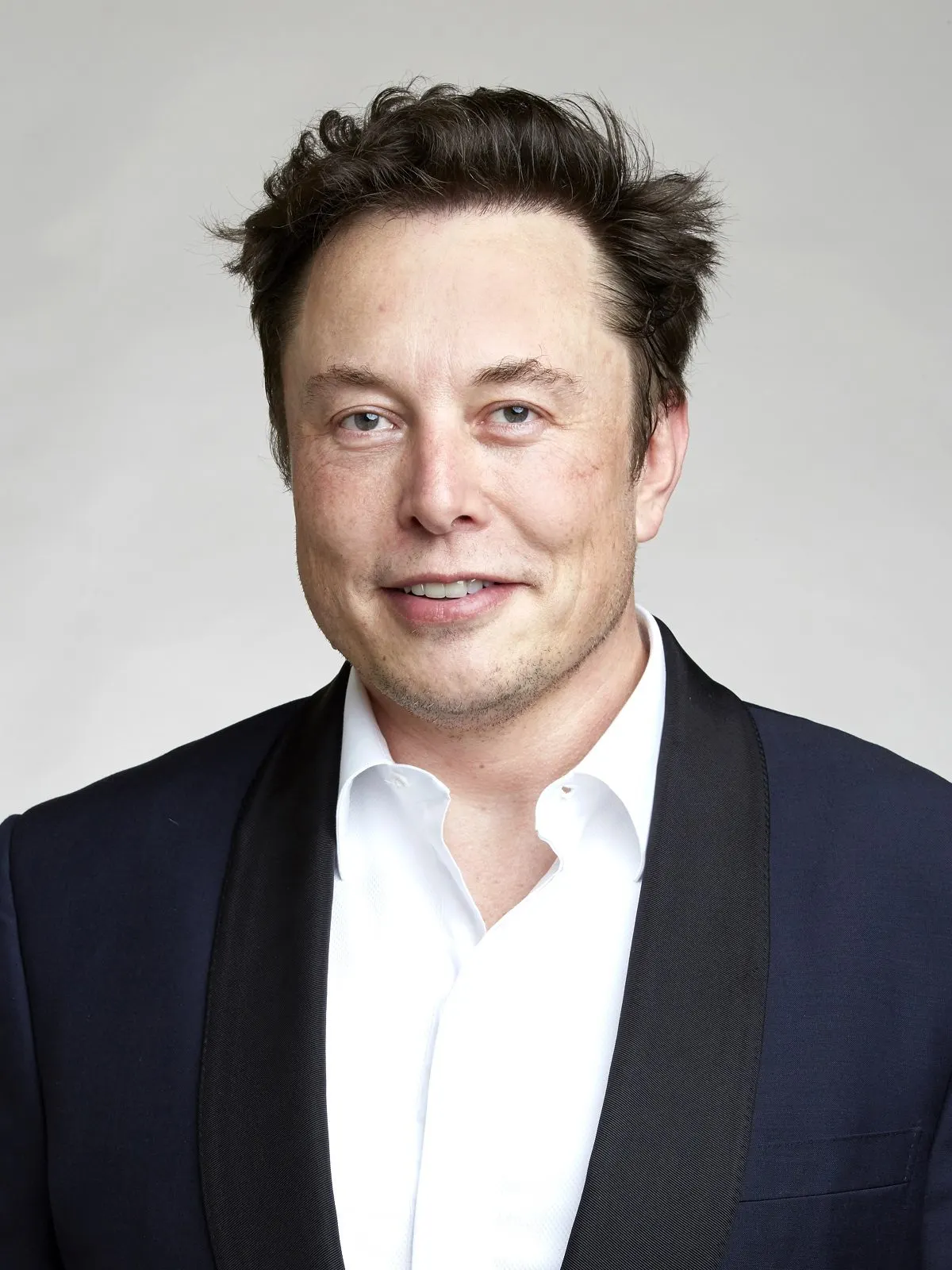 Elon Musk photographed at a Royal Society event in 2018.
Credit: Debbie Rowe, Wikimedia Commons, CC BY-SA 3.0.
What the money bought, and what it did not
It is tempting to judge Musk's spending by election results, but that would be a mistake this early. The money bought presence: advertising in dozens of races, field operations in battleground states, and a Republican campaign infrastructure that could compete in places it might otherwise have skipped. In Texas, it bought a saturation campaign in one of the most watched Senate races in the country. In Michigan and Arizona, where America PAC also spent heavily, it bought a Republican message in states that often decide national majorities.
What it did not buy, on its own, is an outcome. Voters still decide, and midterm electorates are shaped by far more than advertising: the economy, the president's standing, local issues, and turnout all matter, often more than any single spender. Musk's giving may have helped Republicans compete in more places, but it cannot create enthusiasm that is not there, and it cannot rescue a candidate voters have already rejected. The full picture will only emerge once results are final and the December filings show exactly what was spent where.
There is a wider consequence that outlasts any single result. The 2026 cycle is now the most expensive midterm in American history, with outside spending expected to reach 3.9 billion dollars, up 85 percent from 2 billion dollars in 2022, and dark money contributions already at a record 1.47 billion dollars. Musk is the largest single part of that story, but he is not the whole story. The top 50 donors together gave about 2.8 billion dollars, and the top 40 gave 2.4 billion dollars by mid October, eight times the amount given by the top 40 at the same point in 2014 after adjusting for inflation. That is a structural shift in American politics, not a one man event, and it will shape the 2028 presidential race before it even begins. For background on how American elections are run, see our News coverage and the homepage.
The question that remains
The lasting question from Musk's 446 million dollars is not whether it was legal. On the evidence of the filings, it was disclosed and it fell within the rules for super PAC giving. The question is whether a system that lets one person fund nearly a third of a major Senate committee, and almost all of his own super PAC, still serves the voters it is meant to serve. Supporters of the current rules say disclosure is the safeguard, and that voters can judge a campaign by its funders. Critics say disclosure without limits is not enough, because the sheer scale of the money distorts the contest before a single vote is cast.
Congress could change the rules, but there is little sign it will. Both parties benefit from large donors, even if no donor on the Democratic side matched Musk this cycle, and any reform would need to survive court challenges built on free speech grounds. The FEC's lack of a quorum makes enforcement harder still. So the likeliest outcome is that Musk's record stands, and is then broken, perhaps by Musk himself, in the next cycle.
That is a sobering thought for a democracy that prides itself on equal citizenship. One vote each is the promise of American elections. A system in which one donor can spend 446 million dollars while most voters give nothing does not break that promise in law, but it tests it in practice. The 2026 midterms will be remembered for many things. The scale of one man's giving should be among them, not because it decided the election, but because it showed how much of an election one man can now buy a share in. Visit our About page and our Opinion section for more analysis.