In Short (TL;DR)Donald Trump announced an immediate Russia-Ukraine "energy ceasefire" on Sunday, but President Zelensky said the claim was news to him and Moscow never confirmed it. Overnight Russian strikes hit power infrastructure in Izyum, Kharkiv, Zhytomyr and Kyiv, causing blackouts and rationing, as Western leaders welcomed the claim cautiously.
On Sunday morning, Donald Trump took to his Truth Social account with an announcement that briefly raised hopes of a partial pause in the war in Ukraine. "Effective immediately, there is an ENERGY CEASEFIRE in the War between Russia and Ukraine," the US president wrote. "Both parties have agreed. Do not break it!" It was the kind of declarative diplomacy Trump has favoured throughout his presidency — short, capitalised, and without any of the usual scaffolding of negotiations, verification mechanisms, or even confirmation from the parties involved. Within hours, Russian missiles and drones were falling on Ukrainian power infrastructure anyway.
By Monday morning, the contradiction was impossible to ignore. Power outages were reported overnight in several Ukrainian cities following continued Russian strikes on energy plants, including in Izyum in the Kharkiv region and Zhytomyr in the west. The "energy ceasefire", announced less than 24 hours earlier, had not survived a single night.
The BBC reported that the overnight bombardment was geographically spread and clearly aimed at the systems that keep the lights on. In Izyum, south-east of Kharkiv, a Russian missile struck a residential area in the north of the city, damaging power lines, 15 houses and an apartment building, and leaving one resident injured. Several streets lost electricity and local internet services went down with the grid. Further north in Kharkiv, glide bombs and attack drones targeted energy infrastructure, and a strike hit the city's CHP-5 thermal power plant, knocking out power across parts of the city. Ukraine's president also reported that a drone had struck a Kyiv power plant, causing outages in the capital.
Zhytomyr, in western Ukraine, was not spared either: energy and railway infrastructure there came under attack overnight, a reminder that the campaign against Ukraine's grid extends far beyond the front lines. Ukrenergo, the state-owned grid operator, confirmed new power cuts in Kharkiv, Donetsk and Zaporizhzhia and announced electricity rationing to prevent already damaged equipment from being overloaded.
The scale of the assault was underlined by Zelensky, who said that in a single week Russian forces had launched more than 200 strikes against electricity generation and transmission facilities, plus another 17 against gas and oil infrastructure. In the Kharkiv suburb of Pisochyn, a missile strike near a grocery store on the night of 11 October killed three people — a 16-year-old boy and two women aged 19 and 51 — and injured 25 others, according to the regional governor. Preliminary reports indicated the use of low-cost "Banderol" missiles against energy targets in the region.
Perhaps the most striking element of the episode was that Kyiv itself seemed as surprised as anyone by the announcement. Speaking at the Warsaw Security Forum, Zelensky said bluntly that the supposed agreement was "news to him" and that Ukraine had learned of it from the media. "We do support it, but I have not heard approval of this proposal from the Russian side, and this looks strange," he said. His government later stressed that Ukraine would honour a genuine halt on energy strikes — but only once Moscow did the same.
The Kremlin, for its part, has said nothing at all. Neither confirmation nor denial has emerged from Moscow, leaving Trump's claim hanging in an information vacuum. That silence matters: ceasefires are normally announced by the parties who have agreed them, after negotiators have settled terms and both sides have issued orders down the chain of command. An announcement by a third party, without any of that machinery visible, was always going to be fragile. The events of Sunday night and Monday morning appear to have proved it.
There is nothing new about Russia targeting Ukraine's energy grid. Since the full-scale invasion began in February 2022, waves of missile and drone attacks have repeatedly knocked out power and heating for millions of Ukrainians during freezing temperatures. Ukrainian officials have long described this as a deliberate strategy to "weaponise winter" — grinding down civilian endurance rather than achieving anything on the battlefield. Each autumn, the same pattern reasserts itself: strikes intensify as the cold approaches, repair crews race to patch the grid, and Ukrenergo warns of scheduled outages.
This year the dynamic has an extra layer. Ukraine has been systematically striking Russian oil refineries — attacks it says are aimed at the revenue stream funding the war. That campaign has rattled global diesel markets and drawn Trump's ire: the US president has blamed Ukraine's refinery strikes for soaring diesel prices in America, and Verity reported earlier this month on his threats over fuel exports. The "energy ceasefire" was presumably meant to pause both sides' campaigns at once. But an energy truce that one side appears never to have signed, announced while strikes were already being prepared, was less a deal than a wish.
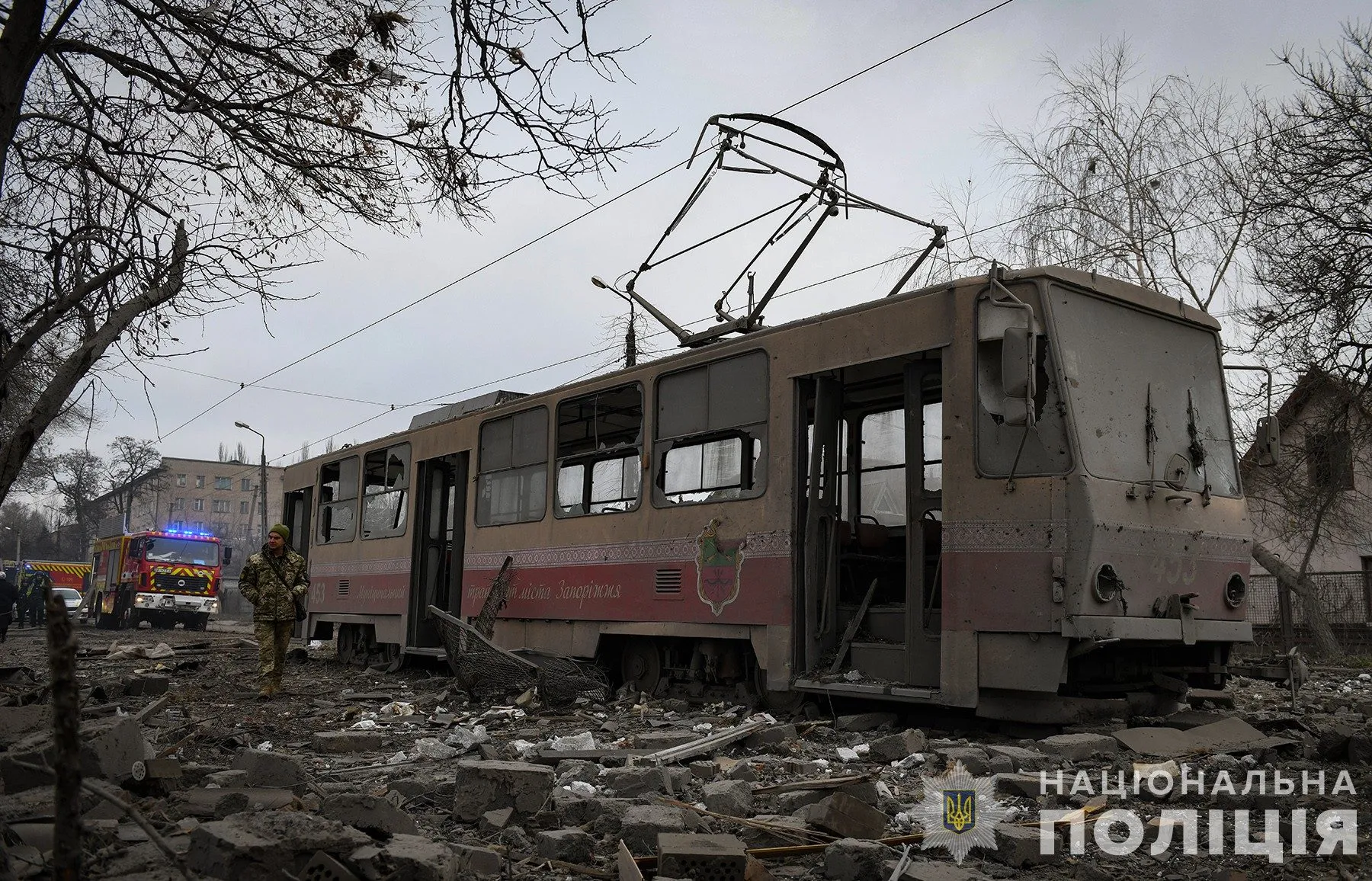
The recent history on the ground makes the scepticism easy to understand. Russian strikes on buses in Kramatorsk killed at least 30 people in an earlier attack on civilian infrastructure, and glide bombs on homes in Zaporizhzhia killed 15 — part of a sustained campaign against towns and cities far from the front. Energy targets are simply the latest, most systematic front in that wider assault.
The international response to Trump's announcement was polite but notably hedged. UK Prime Minister Andy Burnham said Britain "strongly supports" the call for an end to attacks on energy infrastructure. EU foreign policy chief Kaja Kallas welcomed the idea more cautiously, stopping well short of treating it as an accomplished fact. Both reactions effectively said the same thing: a real halt to strikes on civilian energy systems would be welcome — but nobody was pretending this one was real yet.
The timing of the announcement also raised eyebrows. It came just two days after Trump eased some US sanctions on Russian diesel imports, a decision that drew outrage from Kyiv and its European allies, who argued it would only embolden Moscow. European backing for Ukraine has continued in parallel — Germany's Friedrich Merz made a surprise visit to Kyiv with a €13bn aid package during an earlier wave of Russian strikes on the capital. Announcing an energy ceasefire on Sunday may have been, in part, an attempt to balance that criticism. If so, the balance did not hold: by Monday morning the blackouts in Izyum, Kharkiv and beyond were the story, not the announcement.
Zelensky has said Ukraine is prepared to stop striking Russian energy infrastructure if Moscow halts its own attacks, and described the ceasefire proposal as good news — with the crucial caveat that "it is important that this becomes a reality." That is now the test. For the announcement to mean anything, the Kremlin would need to confirm it, orders would need to reach the units launching the drones, and the grid would need to survive a night unhit. None of that has happened yet.
For the residents of Izyum, Kharkiv and Zhytomyr, the distinction between an announced ceasefire and an observed one is not academic. It is the difference between light and dark, heat and cold, as winter closes in. Trump's Sunday-morning message promised them a pause. Sunday night's strikes took it away. Until both sides — not just Washington — say a truce exists, the people of Ukraine will be forgiven for not believing it does. Follow Verity's World coverage for continuing updates, and see our homepage for the latest.
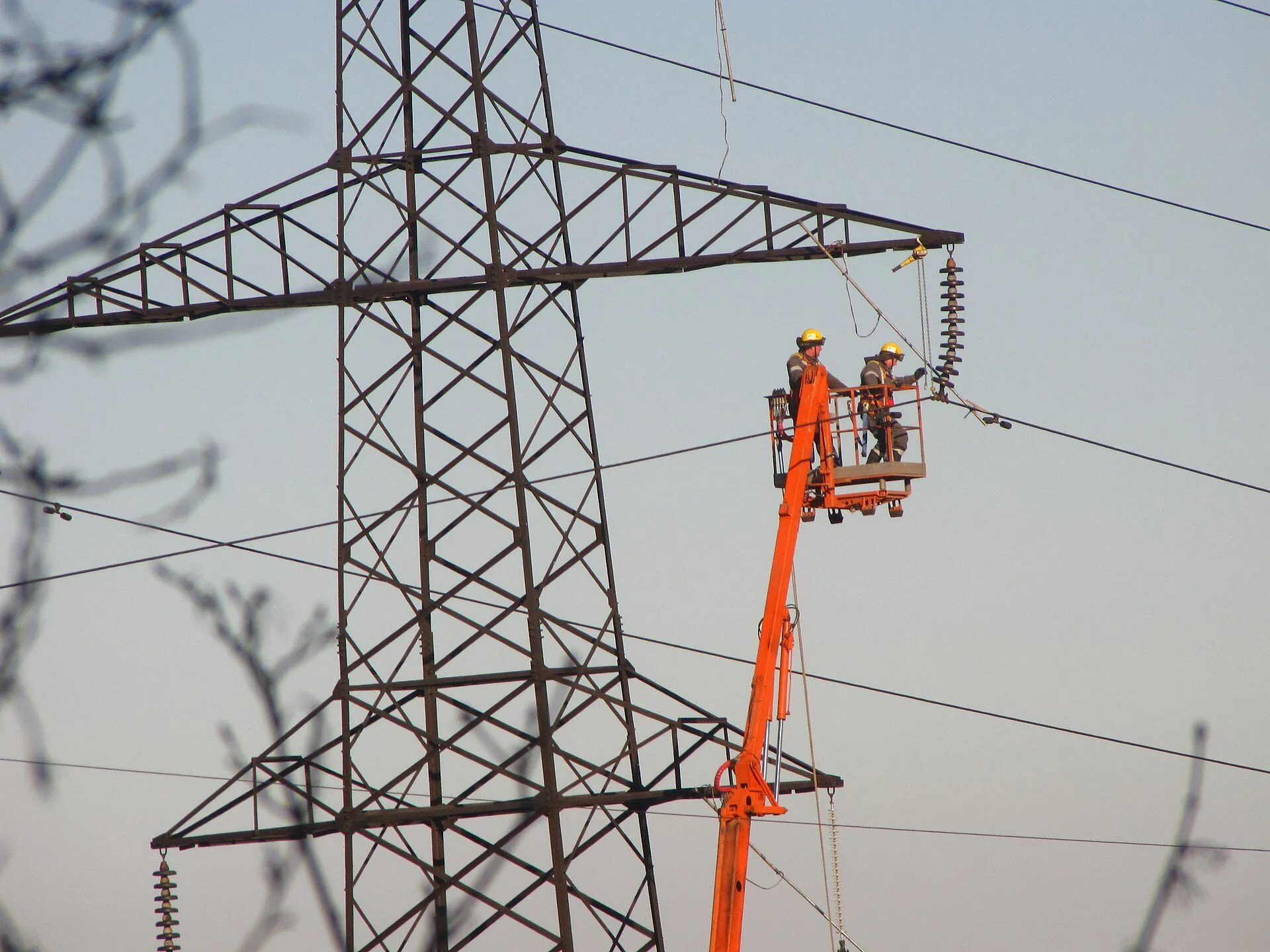
!Tall triple electricity pylons on Khortytsia island near Zaporizhzhia, Ukraine
Credit: Novoklimov / Wikimedia Commons / CC0