In Short (TL;DR)Russian drones hit Kyiv's Dnipro bridges for the fourth day running on Sunday, injuring two people as the Pivnichnyi Bridge was struck again. Ukraine's Air Force said 125 of 135 drones launched overnight were shot down. Against that backdrop, German Chancellor Friedrich Merz made a surprise visit to Kyiv, agreeing a new €1.3bn aid package with President Zelensky — a signal that Berlin, Ukraine's largest donor, will not waver in what Merz called "decisive weeks".
Verified footage of Sunday morning's strike shows the moment a Russian drone slammed into the Pivnichnyi Bridge in northern Kyiv, the second day in a row that the key Dnipro crossing has been hit. Two people were injured in the attack, which capped four consecutive days of Russian strikes on the Ukrainian capital's bridges, as reported by the BBC.
Ukraine's Air Force said Russia launched 135 drones at the country overnight, 52 of them jet-powered, and that 125 were intercepted. Beyond the capital, President Volodymyr Zelensky said one person was killed in a strike on a warehouse in the north-eastern Sumy region and six people were injured in Dnipro. The assault on the capital's river crossings has become the defining feature of a week of intensifying bombardment.
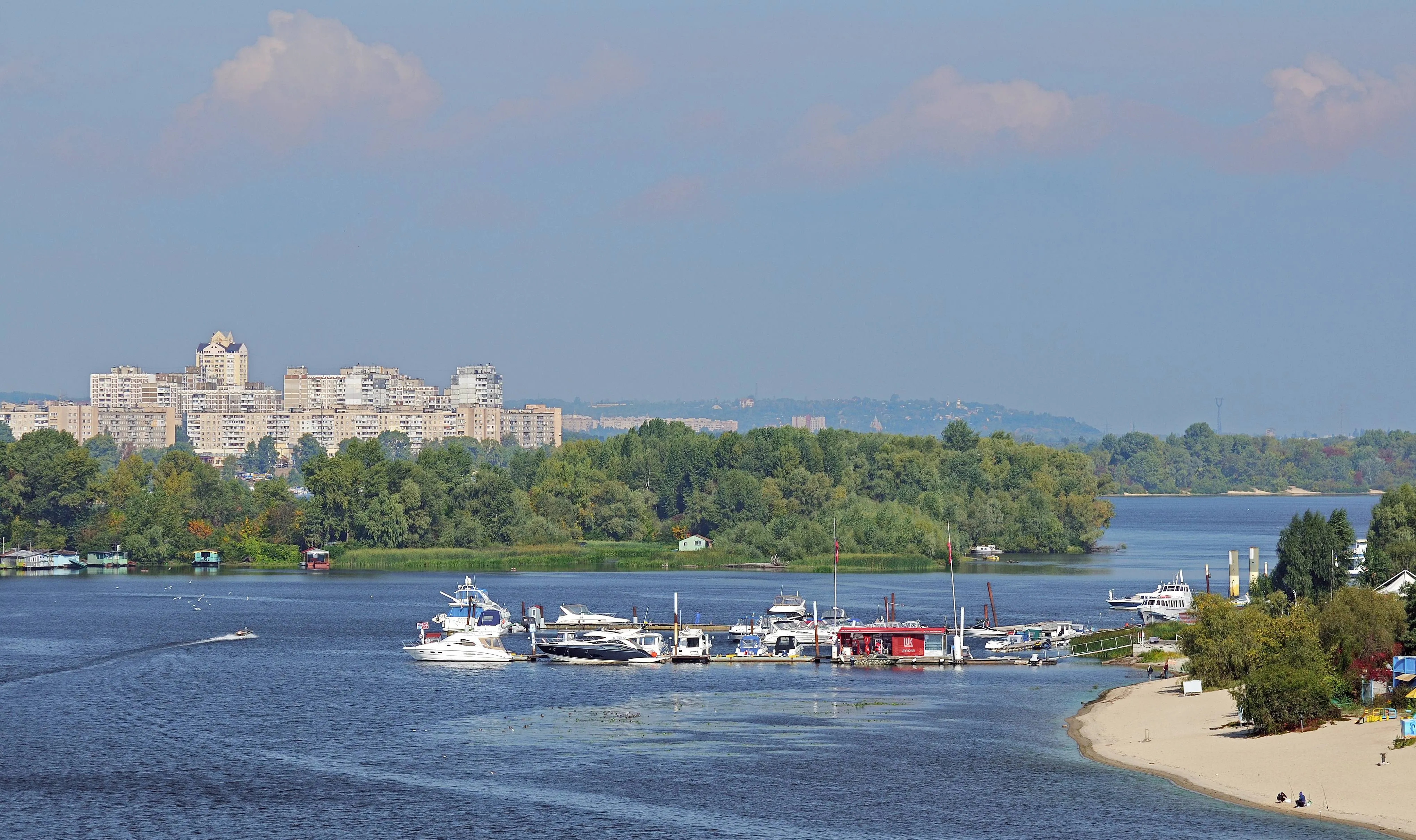
Kyiv's bridges are its lifelines. The city is split by the Dnipro into a left bank and a right bank, and eight bridges carry roughly 500,000 vehicles across the river every day for a city of around three million people. With the Pivnichnyi (Northern) Bridge hit on two successive mornings and the Pivdennyi (Southern) Bridge struck repeatedly earlier in the week, the mayor, Vitali Klitschko, described a "very dramatic situation" as commuters faced gridlock.
For residents, the arithmetic of the attacks is brutally simple. Roman, a Kyiv resident, summed up the experience of trying to move around a city whose crossings are under fire: "To get from the left bank to the right one and back - it's just hell". The strikes have turned routine journeys into ordeals and raised urgent questions about how long the crossings can absorb repeated hits before closures become unavoidable.
Ukrainian officials have begun weighing emergency alternatives, including pontoon bridges, ferries and even a tunnel under the river, as the drone campaign shows no sign of easing. Such measures would be a tacit admission that the bridges — fixed, high-value targets that cannot be moved or hidden — will remain in Russia's sights for the foreseeable future.
!German Chancellor Friedrich Merz during his 2025 visit to the European Commission in Brussels
Credit: Dati Bendo / European Union, CC BY 4.0, via Wikimedia Commons
Against that backdrop, German Chancellor Friedrich Merz made a surprise visit to Kyiv on Sunday, arriving unannounced for talks with Zelensky. The two leaders agreed a new aid package worth more than €1.3bn (£1.1bn; $1.5bn), a commitment Zelensky said would matter immediately.
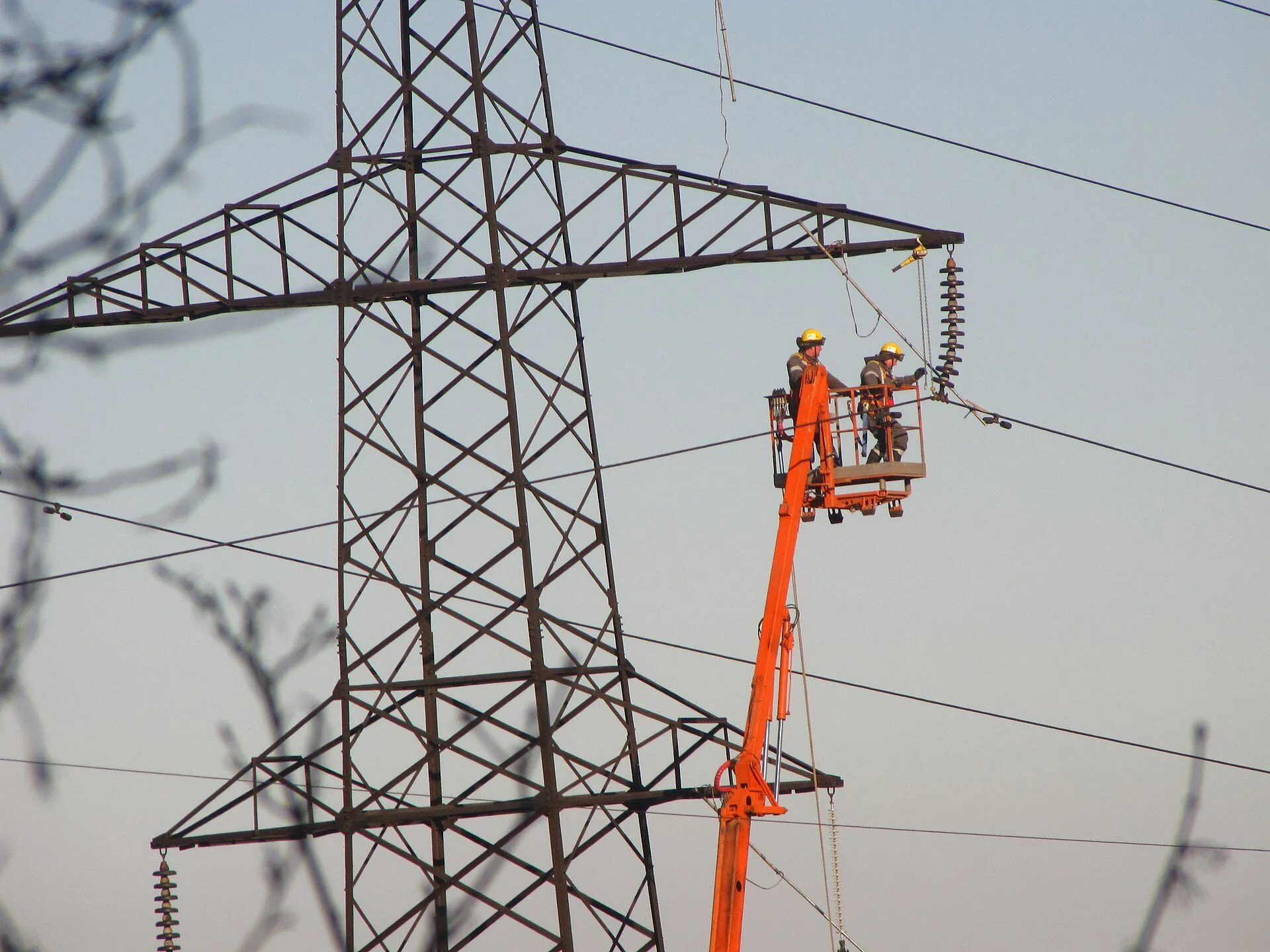
"These are weapons that will help us right now, as well as support for our energy sector ahead of winter," the Ukrainian president said, underlining that the package is designed both for the battlefield and for the grinding season of Russian strikes on power infrastructure that lies ahead.
Merz, who became chancellor in May 2025, used the visit to frame Germany's support as both principled and self-interested. Writing on X, he said: "Ukraine is facing decisive weeks. That is why I travelled to Kyiv today with the message: You can rely on us." He added: "Germany's security also depends on the outcome of this war. That is why we are helping out of our own self-interest as well." And he warned: "If Russia is not stopped, its war machine will sooner or later turn against us."
!President Volodymyr Zelensky at the International Summit on the Support of Ukraine in Kyiv, February 2025
Credit: Christophe Licoppe / European Union, CC BY 4.0, via Wikimedia Commons
Germany is Ukraine's largest single donor, and the German government has made continued backing a centrepiece of its foreign policy since the full-scale invasion began in February 2022. Sunday's package extends that record at a moment when Kyiv's needs — air defences, artillery and energy-system repairs — are at their most acute.
The defiance was echoed by European diplomats in the capital. Katarína Mathernová, the EU ambassador to Ukraine, said: "The EU Delegation is staying. Threatening us will not stop Europe's support for Ukraine. It only reminds us why that support matters!" Germany's ambassador, Boris Ruge, added his own terse reply: "Amen - we're staying."
The diplomatic choreography matters because Russia has paired its battlefield campaign with warnings aimed at Western capitals. Moscow has repeatedly cautioned against deeper Western involvement, and the four-day assault on Kyiv's bridges can be read as a demonstration that it can still reach into the heart of the Ukrainian capital despite layered air defences — which shot down the vast majority of the 135 drones launched overnight, according to Ukraine's Air Force.
Zelensky has been pressing NATO allies for more air-defence systems as the barrages escalate, and the German package is expected to include weapons for immediate use. Britain, too, has reaffirmed its backing: the prime minister has defied Russian threats and restated steadfast support for Ukraine. The diplomacy comes as US envoys have also travelled to Kyiv following talks with Vladimir Putin about a possible peace deal, a reminder that the war's endgame is being debated even as the strikes continue.
Bridges are among the most strategically valuable targets in any war: destroy the crossings and you paralyse movement, resupply and civilian life in a single stroke. Russia's focus on the Dnipro bridges suggests an effort to sever Kyiv's two halves and compound the pressure on a population already bracing for winter blackouts.
The campaign also fits a wider pattern of Russian escalation through uncrewed systems. Germany has previously alleged a Russian hand in a drone incident at Leipzig airport, which Berlin treated as a signal of hybrid warfare reaching into Europe itself. Drones have become the weapon of choice for striking critical infrastructure far from the front line — from attacks on Saudi oil facilities to the nightly barrages over Ukraine — because they are cheap, deniable and hard to stop completely, even when, as on Sunday, the great majority are shot down.
Russia now controls roughly a fifth of Ukrainian territory after more than four years of full-scale war, and the grinding front lines in the east have barely moved in months. Striking Kyiv's bridges is a way to impose costs without a breakthrough — and to remind Ukraine's backers that the war can still touch the capital's three million residents directly.
The immediate question is whether the Pivnichnyi and Pivdennyi bridges can be kept open under repeated attack, and how quickly Ukraine's engineers can repair the damage. City officials face a choice between keeping the crossings running at reduced capacity and imposing closures that would turn the "very dramatic situation" Klitschko described into a full-blown transport crisis.
The longer question is winter. Zelensky's emphasis on energy-sector support in the German package reflects the expectation that Russia will again target power plants and heating infrastructure as temperatures fall. European security institutions such as the OSCE continue to document the war's impact, and the record of Russia's full-scale invasion since February 2022 suggests the cold months bring the heaviest pressure on civilians.
For Merz, the visit was a statement that Berlin's support will not waver in what he called "decisive weeks". Whether the €1.3bn package — and the weapons it buys — can blunt the drone campaign against Kyiv's bridges will be the first test.
*VERITY is an independent digital news platform covering world news, business, technology and more. Read about our editorial standards.*