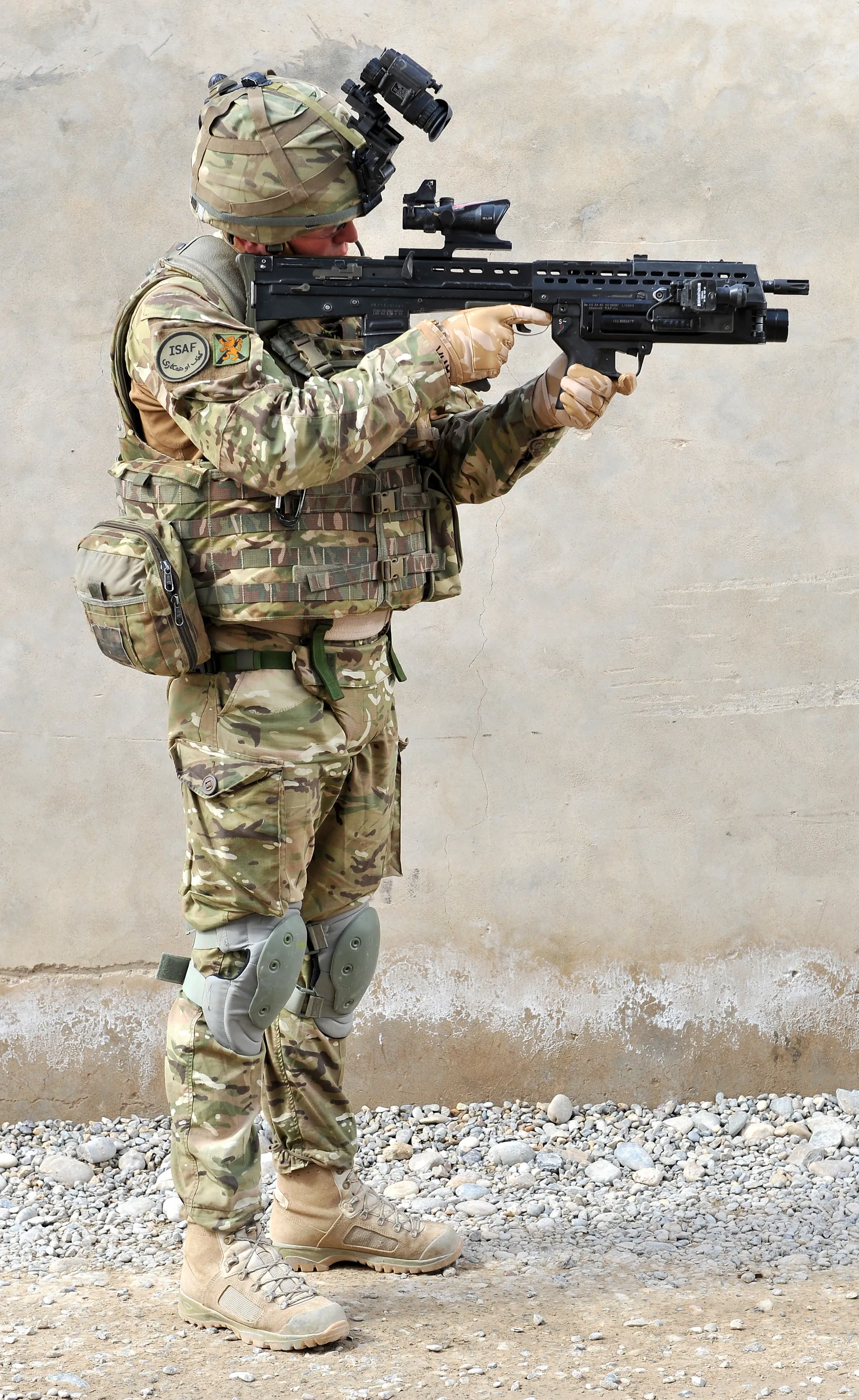
In Short (TL;DR)British special forces personnel could face criminal prosecution after evidence suggesting they committed serious offences in Afghanistan was referred to military police. The disclosure was made in the High Court by Jonathan Glasson KC, counsel to the judge chairing the Independent Inquiry relating to Afghanistan, which is examining allegations of extra-judicial killings — including of handcuffed civilians and children — during detention operations between 2010 and 2013. The Ministry of Defence identified the material earlier this year following inquiries prompted by the inquiry itself, and UK Special Forces referred it to the Defence Serious Crime Command under the Armed Forces Act 2006. A criminal investigation has been paused pending the inquiry's conclusion.
British special forces troops could be prosecuted for crimes committed in Afghanistan, after evidence found as part of the long-running Afghan inquiry was handed to the military police. The disclosure — made in the High Court on Monday — is the first confirmation that members of Britain's elite forces may face jail over allegations of unlawful killings during the war.
The revelation came not from a press conference but from a barrister's written submission. Jonathan Glasson KC, counsel for the judge chairing the Independent Inquiry relating to Afghanistan, told the court, in a written submission, that evidence service personnel deployed overseas may have carried out "serious offences" emerged early this year. The finding marks the first time the inquiry itself has published material pointing toward possible criminal prosecution of special forces soldiers.
Glasson's written submission set out the sequence of events in careful legal language. "In early 2026, as a result of enquiries set in train by the inquiry, the Ministry of Defence identified material that indicated that service personnel deployed on operations may have committed serious offences under the Armed Forces Act 2006," he wrote.
"In accordance with section 113 of that act, the matter was referred by UK special forces to the defence serious crime command. It is understood that following a scoping exercise, the service police have paused any criminal investigation into the matter pending the conclusion of the inquiry."
He added that any later investigation, charging decision and prosecution would be undertaken by independent bodies, which would have to "consider whether a prosecution was justified on evidential and public interest grounds and any prosecution would attract the procedural protections applicable to criminal proceedings, including in relation to the disclosure of material".
The language matters. "Serious offences" is a term of art under the Armed Forces Act 2006: Schedule 2 of the Act defines it to include murder, manslaughter and other grave crimes. The Defence Serious Crime Command — the successor to the Defence Serious Crime Unit — handles the most serious cases and sits outside the normal chain of command, a structural independence designed precisely for cases where the alleged offenders wear the same uniform as the investigators.
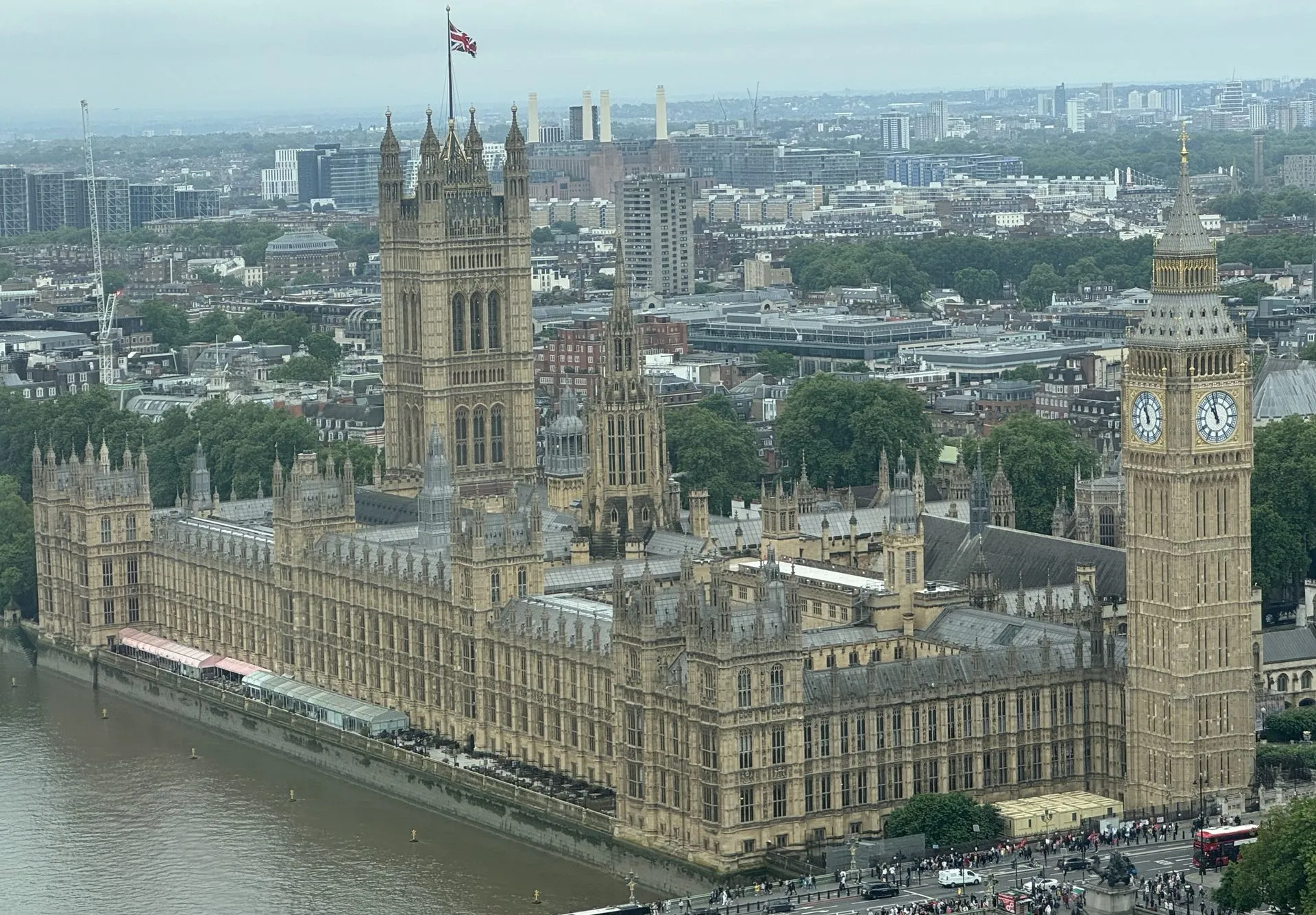
!The Royal Courts of Justice in London, where the High Court heard the disclosure
The Royal Courts of Justice in London, where the High Court heard the disclosure — David Castor, CC0, via Wikimedia Commons
The referral relates to detention operations carried out by British personnel in Afghanistan between 2010 and 2013 — the precise window the inquiry was established to examine. The Independent Inquiry relating to Afghanistan, set up in December 2022 and chaired by Lord Justice Sir Charles Haddon-Cave, is investigating allegations that members of the SAS executed handcuffed civilians, including children, during night raids — claims that BBC Panorama has pursued through years of investigative reporting.
The allegations have shadowed Britain's special forces for more than a decade. Whistleblowers who served alongside the units have told the inquiry of a pattern they found impossible to explain away: detainees repeatedly reported as having been killed while attempting to seize weapons or throw grenades after capture, in circumstances that strained credulity. One senior officer told the inquiry that the number of people killed in action during certain operations exceeded the number of weapons recovered — and that his concerns, raised with the director of special forces, were met not with a criminal referral but with a review of operational tactics.
That history is what makes Monday's disclosure so significant. For years, the official position has been that investigations found insufficient evidence to prosecute. Now, material uncovered because of the inquiry itself has been judged serious enough to refer to the police.
The finding emerged in an unexpected setting: a High Court hearing brought by a witness against the inquiry's own chair. The claimant, anonymised as IIA126, is a senior British military officer who served in Afghanistan and gave evidence to the inquiry in closed session. He has won permission to challenge the fairness of the inquiry's procedures — a case that forced the inquiry's lawyers to address, in open court, the legal significance of possible future criminal investigations.
Mrs Justice Farbey, who dealt with preliminary issues in the claim last August, described IIA126 as someone who "occupied a senior military position in theatre in Afghanistan". The inquiry chair had decided that exceptional restrictions were necessary to protect certain witnesses from the risk of "very severe adverse consequences" — and inquiry lawyers told the court they "must be able to obtain highly sensitive information", noting that some protected witnesses feared "grievous consequences by UKSF".
Glasson's response was pointed: lawyers for the officer had, he argued, overstated the legal significance of possible future criminal investigations. "The inquiry is neither a trial nor a criminal investigation," he wrote, "and cannot determine civil or criminal liability." Anyone, he noted, could request a criminal investigation. And then he revealed that one had effectively already been set in train.
The road to Monday's disclosure runs through a graveyard of earlier investigations. In 2014, the Royal Military Police launched Operation Northmoor, a £10 million investigation into allegations of executions by special forces, including the killing of children. It brought no charges. A further investigation, Operation Cestro, resulted in three soldiers being referred to the Service Prosecuting Authority — but none was prosecuted.
Human Rights Watch, in a statement issued on 5 October 2026, accused the UK government of having "tried to prevent any prosecutions" of special forces accused of killing Afghan civilians "by covering up crimes and shutting down criminal inquiries". The organisation noted that the independent inquiry was eventually established in December 2022, but with its scope limited to three years, 2010–2013. The inquiry's defenders counter that its powers to compel evidence — demonstrated precisely by the material that has now been referred to police — go further than anything that came before.
For now, the criminal process is frozen. The service police have paused any investigation pending the inquiry's conclusion — a sequencing that avoids the risk of parallel proceedings contaminating each other, but that also means years more waiting for the families of the Afghan dead. When the inquiry concludes, independent bodies will decide whether the evidential and public-interest tests for prosecution are met, and any prosecution would carry the full procedural protections of criminal proceedings, including strict disclosure obligations.
The political stakes are considerable — and they are playing out against a backdrop of political upheaval across Europe. Successive governments have pledged to support the armed forces while insisting that no one is above the law. The Defence Secretary has previously written to special forces personnel to recognise their professionalism and sacrifice — while the inquiry grinds on, at enormous cost, toward findings that could end with elite soldiers in the dock.
Monday's hearing did not determine guilt or innocence. It did something arguably more consequential: it put on the public record, for the first time, that the Afghan inquiry has found evidence it considers serious enough for the police. After more than a decade of allegations, denials and abandoned investigations, the prospect of a courtroom reckoning for Britain's most secretive soldiers has moved from speculation to procedure.
Follow Verity's homepage for continuing coverage of this story.