The BBC has asked a Florida federal judge to order President Donald Trump to set a firm date for sworn testimony in the $10 billion defamation lawsuit the president brought against the British broadcaster, escalating a procedural standoff that the corporation's lawyers say has left them unable to defend their case properly.
In a motion filed this week, BBC attorney Charles D. Tobin told the court that nearly eight months into the discovery process, and with only two months remaining before it closes, the broadcaster still has "not been able to depose, and does not even have a schedule to depose, the most central figure in this case: Plaintiff himself." The lawyers asked the court to compel Trump to commit to a date and to take up the matter at a hearing scheduled for Oct 22 that was already meant to address other procedural issues.
The dispute turns on a deposition both sides had agreed to. According to the BBC's filing, its lawyers first requested dates for Trump's deposition in July and followed up repeatedly. The two sides eventually settled on Oct 16. Then, on Sept 28, Trump's counsel wrote that the president was "no longer available for his deposition on October 16 due to other matters of national importance" and promised to try to provide a replacement date by the end of that week. The BBC says that replacement date never arrived.
Instead, the broadcaster's legal team says it was told last week that Trump has "no availability whatsoever" for a deposition before discovery is set to close on Dec 18, and that he would instead make himself available in the second or third week of January.
That, the BBC argues, is unacceptable. "Two months of discovery remaining," Tobin wrote, "those delays have flouted the cooperative spirit of discovery and precluded the BBC from obtaining the evidence necessary to robustly litigate its defence." Seven BBC witnesses have already been deposed by Trump's side, the filing notes, meaning the asymmetry of the case's information-gathering is now running sharply in one direction.
Trump's legal team did not directly address the scheduling question in its public response. A spokesperson for the team repeated the underlying allegations against the broadcaster and said the president was holding the BBC "accountable for its defamation and reckless election interference just as he has held other fake news mainstream media responsible for their wrongdoing."
The Associated Press, which first reported the filing, noted that Trump "has a history of avoiding depositions". The report recalled that in 2023 he voluntarily dropped a $500 million lawsuit he had filed against his former lawyer and fixer Michael Cohen, just days before he was due to give a deposition in that case. It is a pattern his opponents have long sought to turn against him: a litigant who sues aggressively but shies from the sworn questioning that defending or prosecuting a lawsuit normally requires.
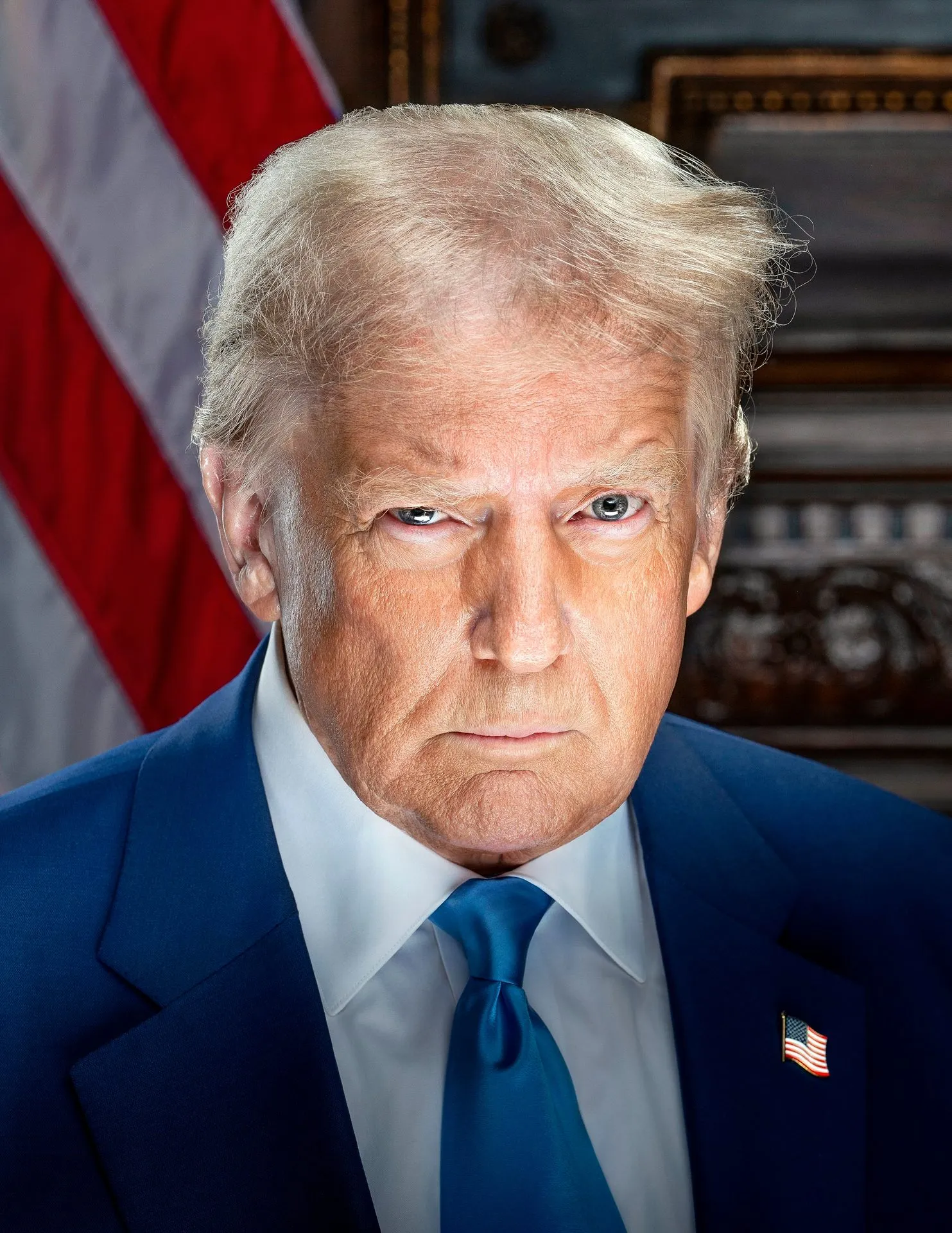
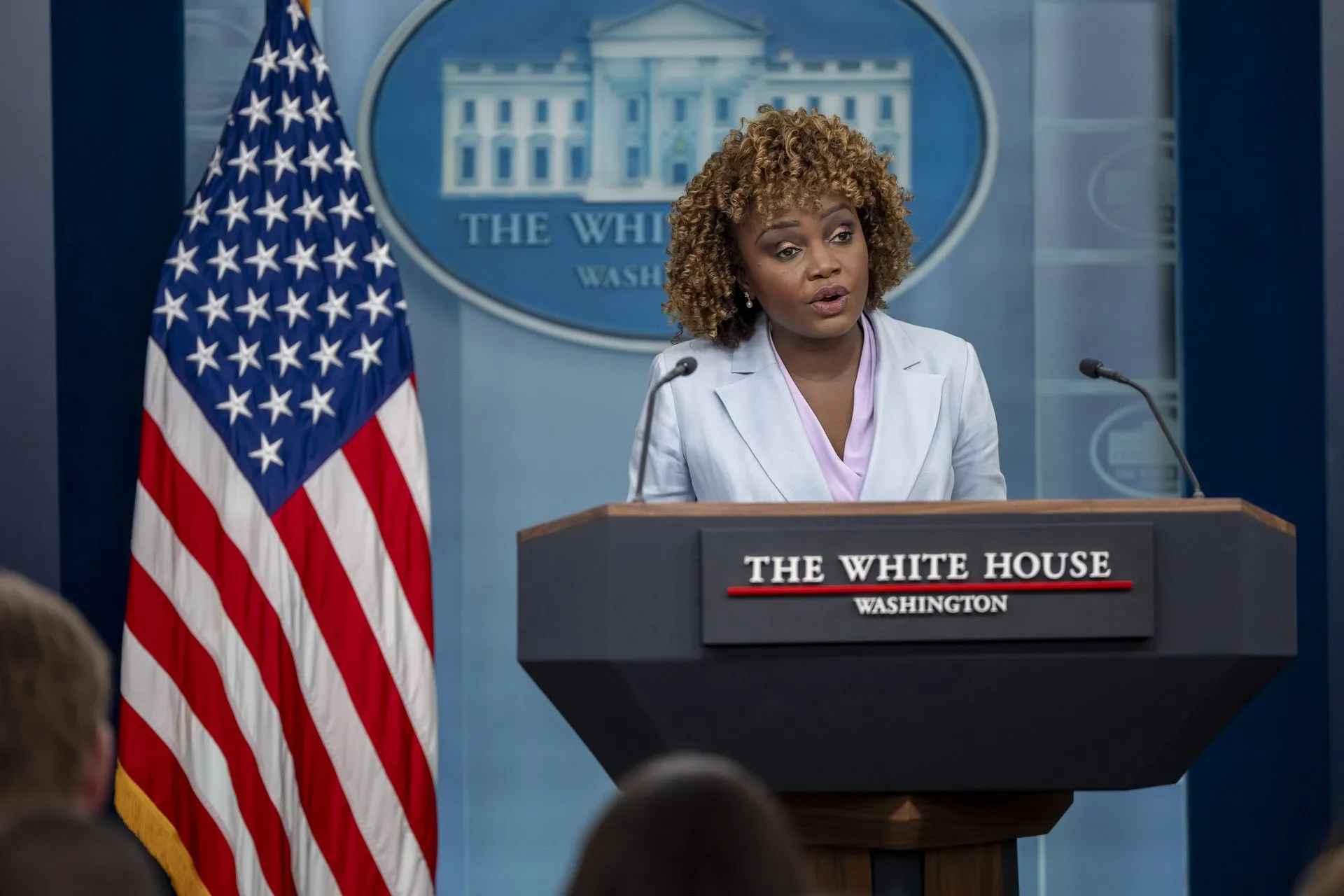
Trump speaks at a podium, the kind of public address at the heart of the BBC dispute
Credit: Gage Skidmore / Wikimedia Commons, CC BY-SA 4.0
The lawsuit, filed in December 2025 in Florida federal court, accuses the BBC of defamation and of deceptive and unfair trade practices over a documentary titled "Trump: A Second Chance". The programme concerned the events of Jan 6, 2021, and at its centre was a sequence in which filmmakers spliced together quotations from two different sections of the speech Trump delivered to supporters that day, before they stormed the US Capitol. The effect, Trump argues, was to make it appear that he had directly urged the crowd to attack the Capitol.
The BBC has admitted the editing was wrong. The broadcaster apologised to Trump, and the episode prompted the resignations of the corporation's director-general and its top news executive. But an apology and admissions of editorial error are not the same thing as conceding a defamation claim, and the BBC has denied that Trump was defamed. It says the programme caused him no real injury, and it has moved for the case to be dismissed.
Trump's 33-page complaint takes a different view entirely, accusing the broadcaster of a "false, defamatory, deceptive, disparaging, inflammatory, and malicious depiction" of the president, and describing the programme as "a brazen attempt to interfere in and influence" the 2024 US presidential election. He is seeking at least $5 billion in damages on each of two counts, hence the headline $10 billion figure.
Depositions are a standard part of American civil litigation, and they cut both ways: each side gets to question the other's witnesses under oath before trial, locking in testimony and testing the evidence. But the plaintiff in a defamation case occupies a particular position. To win, Trump must prove not only that the BBC's statements were false but that he suffered real damage and, given the relevant legal standards, that the broadcaster acted with the required level of fault. All of that makes his own testimony — about what he said, what he meant, what he knew and what harm he claims to have suffered — central to the proceedings.
The BBC's lawyers are making exactly that argument: they cannot "robustly litigate" their defence without questioning the man whose words and conduct sit at the heart of the dispute. Judges in federal court have broad power to compel discovery from parties who are stonewalling, including ordering depositions on fixed dates. If the court agrees with the BBC, Trump could be ordered to sit for questioning before the Dec 18 discovery deadline, on a timetable the court sets rather than one his lawyers choose.
There is a certain irony that the BBC, a defendant fighting to get the case thrown out, is pressing harder than the plaintiff for testimony. It reflects a calculation that the broadcaster's best chance of defeating the claim may lie in undermining Trump's account of injury and intent under oath — or, at minimum, in demonstrating to the judge that the plaintiff is not co-operating with the normal machinery of the case he chose to bring.
The BBC has asked for the deposition dispute to be addressed at an Oct 22 hearing already scheduled to cover other procedural issues in the case. That gives the judge a near-term opportunity to rule on the motion to compel, and to set the tone for the remainder of discovery. With the deadline of Dec 18 approaching, any delay pushes the BBC's preparation for trial into an increasingly compressed window. The trial itself is set for February 2027, and preparation for a case of this scale — involving a sitting president, a foreign national broadcaster, and claims running into the billions — is a long and resource-intensive process.
For the BBC, the stakes go beyond this single case. The corporation is publicly funded and answerable to its licence-fee payers, and it has already paid a heavy institutional price for the documentary's errors, in the form of two of the most senior resignations in its recent history. A $10 billion judgment would be an existential financial event; even the process of defending the case through discovery is enormously costly. Getting the plaintiff on the record may be the broadcaster's most powerful tool for limiting that exposure.
For Trump, the calculus is different. Sitting presidents have historically argued — with varying success — that the demands of office should limit their exposure to litigation, and the Supreme Court has set boundaries around how and when a president can be forced to answer. But Trump is the plaintiff here, not a reluctant defendant. Courts generally take the view that a party who chooses to sue cannot then refuse to participate in the discovery process their own lawsuit requires. The BBC's motion leans directly on that principle.
The dispute also sits at the intersection of two very different media and legal cultures. Britain's defamation law has long been regarded as claimant-friendly; American law, with its strong First Amendment protections for speech about public figures, is far more protective of publishers. Trump chose to sue in Florida federal court, where the BBC — which distributes content into the United States — is subject to jurisdiction, rather than in London. The legal standards that will apply are American ones, and they set a high bar for public-figure defamation claims.
That context is part of why the BBC is fighting the case rather than settling it, and why its lawyers are so insistent on completing discovery. If the case proceeds to trial in February 2027, a jury or judge will have to decide whether a documentary edit — acknowledged as wrong by the broadcaster itself — amounts to the kind of reckless falsehood that American law punishes with damages, and whether the claimed $10 billion in harm can be substantiated. Trump's deposition testimony would be a central exhibit in that assessment.
For now, the immediate question is narrower: will the judge order the president to pick a date? The Oct 22 hearing should provide the first answer, and with it, a signal of how the court intends to manage a case in which one side says it cannot defend itself without the testimony of the man suing it.
*Reporting for this story drew on court filings as covered by the Associated Press via La Nación, The Hindu, Channels Television (AFP), The Straits Times (AFP) and the LA Post. For more on Trump's presidency, see our Politics and World coverage, including analysis of his tariff threats in the G7 emergency oil release story, the September US jobs slowdown, our look at energy markets in BBC Verify on diesel prices, the Ukraine blackouts he has weighed in on, and, for another high-profile UK defamation-adjacent case, the Russell Brand trial.*