The UK Covid-19 Inquiry has delivered one of its most damning verdicts yet: a report on the care sector that finds more than 43,000 recorded Covid deaths in care homes, a celebrated government claim that was "essentially unfounded", and failures that allowed the virus to "spread like wildfire" through some of the country's most vulnerable communities, as the BBC reported.
The report, covering the period from March 2020 to July 2022, concludes that the care sector was treated as "something of an afterthought" while the UK government's pandemic response concentrated on the NHS. It is a finding that will reverberate through politics, the care industry and the families who lost loved ones for years to come.
43,000 deaths and a sector overlooked
The headline figure is stark: more than 43,000 recorded Covid deaths in UK care homes between March 2020 and July 2022. Behind every one of those deaths is a family that could not say goodbye properly, a resident who died often isolated from the people who loved them.
The inquiry found that while hospitals and the NHS sat at the centre of the government's pandemic planning, care homes — where some of the most vulnerable people in the country live — were an afterthought. Guidance arrived late, testing was prioritised elsewhere, and the protective equipment that did reach the sector was often too little, too late.
That structural neglect, the report suggests, was not an accident of a fast-moving crisis but a reflection of how little political weight the care sector carries. Social care has long been the poor relation of the NHS in funding and attention; the pandemic exposed the cost of that neglect in the cruellest possible way.
The "protective ring" that never existed
One of the report's most politically explosive findings concerns Matt Hancock, the health secretary during the early months of the pandemic. His claim that the government had thrown a "protective ring" around care homes was, the inquiry found, "essentially unfounded".
The phrase became one of the defining soundbites of the government's early pandemic communications — a reassurance to a frightened public that the most vulnerable were safe. The inquiry's conclusion that it had little basis in reality will be seized on by critics of the government's handling of the crisis and by families who feel they were misled.
For Hancock, who has already faced intense scrutiny over his pandemic record, the finding is another serious blow. For the government more broadly, it raises uncomfortable questions about the gap between ministerial rhetoric and operational reality in the spring of 2020.
PPE: ponchos, bin bags and bed linen
The report's account of protective equipment shortages in the care sector is harrowing. With supplies overwhelmingly directed to hospitals, care homes were left to fend for themselves — and staff improvised with whatever they could find.
The inquiry documents care workers resorting to festival ponchos, painters' overalls, bin bags and even bed linen in a desperate attempt to protect themselves and their residents. These were not isolated incidents in a handful of homes, the report suggests, but a systemic failure that left frontline carers exposed at the height of the crisis.
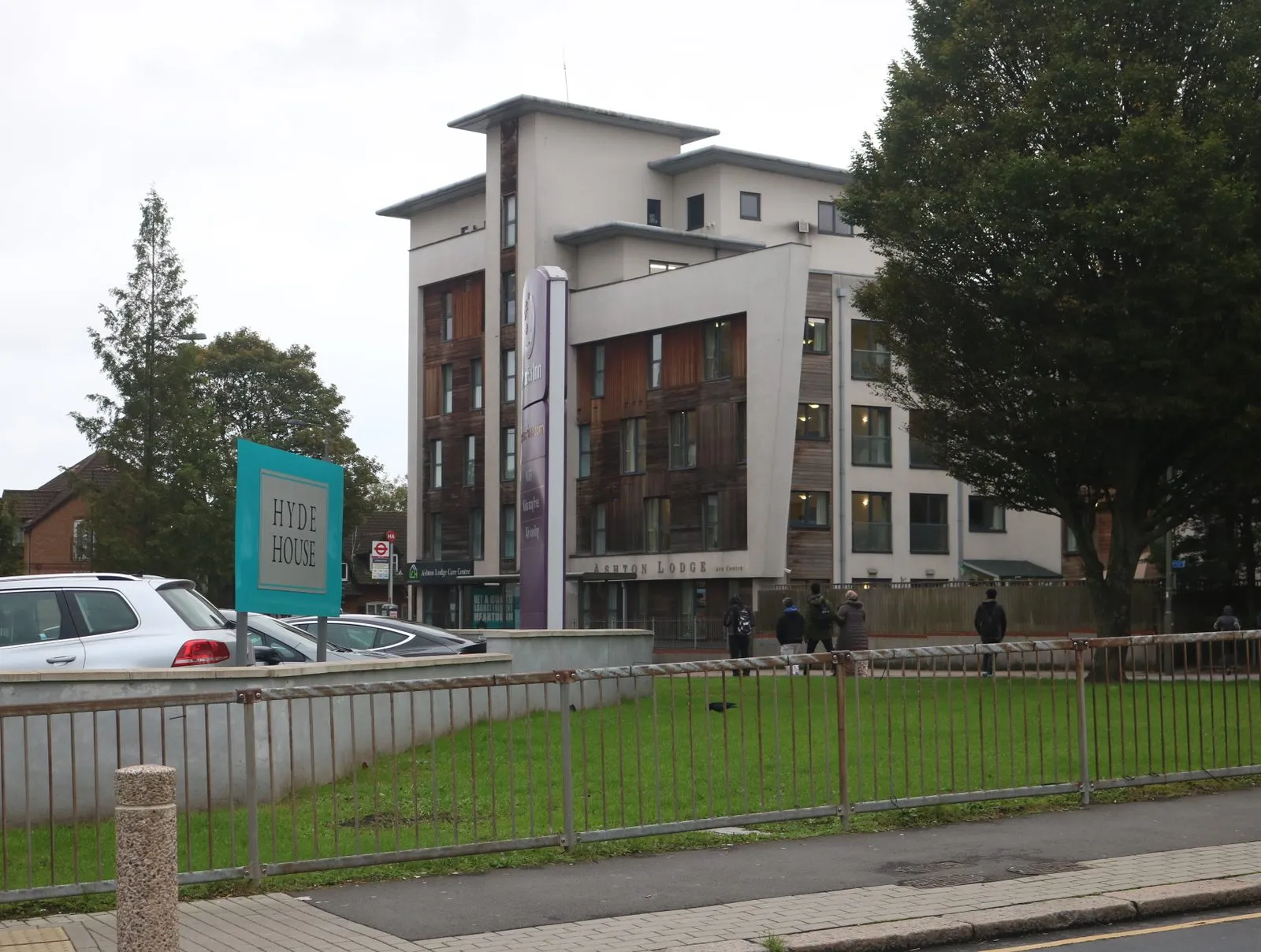
Harrogate Lodge Care Home in England
Image: Chris Heaton via Wikimedia Commons (CC BY-SA 2.0)
The images of care staff in makeshift protection became one of the enduring symbols of the pandemic's early months — and a source of national shame for a country that prided itself on the competence of its public health response. The report makes clear that the shortages were foreseeable and, to a significant degree, preventable.
Discharges without tests: a "significant oversight"
Perhaps the most consequential operational failure identified by the inquiry was the decision, in March 2020, to discharge hospital patients into care homes without testing them for Covid. The report brands it a "significant oversight" — language that understates the human cost.
At the time, NHS hospitals were racing to clear beds in anticipation of a surge of Covid patients. But sending untested patients into care homes — closed communities of elderly and vulnerable people — seeded the virus precisely where it could do the most harm. Families and campaigners have long argued this was the original sin of the care home catastrophe; the inquiry has now given that argument its official imprimatur.
Visiting bans and "incalculable harm"
The report also turns its attention to the restrictions on visiting care homes — measures that kept families apart for months at a time. While acknowledging that infection control was the motivation, the inquiry concludes that the restrictions "caused incalculable harm" to residents and their loved ones.
Residents with dementia, who could not understand why their families had stopped coming, suffered particularly. Spouses were separated at the end of long marriages; children were denied final visits to dying parents. The report's language — "incalculable harm" — is a recognition that the human cost of those separations will never be fully measured.
Related to this is the report's condemnation of blanket do-not-resuscitate (DNACPR) decisions applied on the basis of age or disability. The practice, which the inquiry brands "unacceptable", saw some care home residents have resuscitation decisions made about them without consultation, based on crude categorisations rather than individual clinical judgment.
"Spread like wildfire"
Summing up, inquiry chair Baroness Hallett said the catalogue of failings had allowed Covid to "spread like wildfire" through the care sector. The inquiry's official summary of the report sets out the findings in full. It is a phrase that will define this report — and a verdict that places the care home tragedy among the gravest failures of Britain's pandemic response.
The report stops short of apportioning individual legal blame — that is not the inquiry's function — but its factual findings amount to a comprehensive indictment of how the state treated its most vulnerable citizens in their hour of greatest need.
What happens next
The question now is what changes. The care sector's representatives have long demanded parity of esteem — and funding — with the NHS, and this report gives their case its most powerful evidence yet. Whether the government acts on it, with a long-promised programme of social care reform still incomplete, remains to be seen.
For the thousands of families who lost relatives in care homes, the report is unlikely to bring closure. But it is, at last, an official acknowledgment of what they have always known: that the "protective ring" was a fiction, and that the people they loved were left exposed.
Internal links for context: Verity Health section, Elderly urged to get free winter vaccines, Chris Hoy calls for better prostate cancer screening, BBC presenter Maryam Moshiri reveals blood cancer diagnosis, Doctors warn vaping could harm children, Wildfire smoke is a global health threat, Verity homepage, About Verity.