A grim milestone in a months long emergency
More than 5,000 people have now died in the Ebola outbreak sweeping through the Democratic Republic of Congo, government figures reported by the BBC show. The toll marks a devastating turning point for a country that has confronted this virus many times before, yet never on this scale. Health officials say the outbreak, which began in May, overtook every previous Congolese epidemic in August and has continued to spread since, reaching eight of the country's 26 provinces.
Data from the Congolese Ministry of Health put the death toll at 5,026 people out of 10,351 confirmed and suspected cases, a fatality rate of just under 50 percent. The BBC reported the current case fatality rate as 48.6 percent. Behind each number is a family, a village and a health system stretched to its limits, and officials warn that the true scale of suffering is still unfolding. The World Health Organization has described the passing of 5,000 deaths as a very tragic milestone, a phrase that captures both the human cost and the urgency of the response still needed.
This is the 17th Ebola outbreak in DR Congo's history, according to the United Nations, and it is already the second largest ever recorded anywhere in the world. Only the West African epidemic of 2014 to 2016, which killed more than 11,325 people and spread across several countries including Italy, the United Kingdom and the United States, was larger. For readers following the wider picture of global health threats, the comparison underlines how exceptional the current crisis has become.
Where the outbreak is centred
In its latest update, the health ministry said the epicentre of the epidemic remains in Ituri province, in the north east of the country. Ituri is a conflict zone, and that insecurity makes the virus far harder to contain. Health workers must reach patients, trace contacts and run treatment centres in areas where armed violence is a daily reality, and where roads and communications are often unreliable.
The virus has been concentrated in the east of the country. Ituri and neighbouring North Kivu together account for 9,782 confirmed cases and 4,792 deaths, according to ministry figures. The outbreak has spread to 67 of the country's 178 health zones, a measure of how widely the virus has travelled even as response teams work to ring fence each new cluster. Cases have also been confirmed in Kenya, Nigeria and Uganda, raising concern among health officials across the region about cross border spread.
The human cost of working on the front line was brought into sharp focus earlier in the week, when a nurse was killed and another health worker was seriously injured while responding to an Ebola alert, after local youths accused them of contaminating water sources, according to UN backed Radio Okapi as relayed by the BBC. Such attacks, driven by fear and mistrust, strike at the heart of the response, because containment depends on communities trusting the people sent to help them. For more on the dangers facing health workers, see our earlier report on a nurse killed in an attack linked to an Ebola alert in DR Congo.
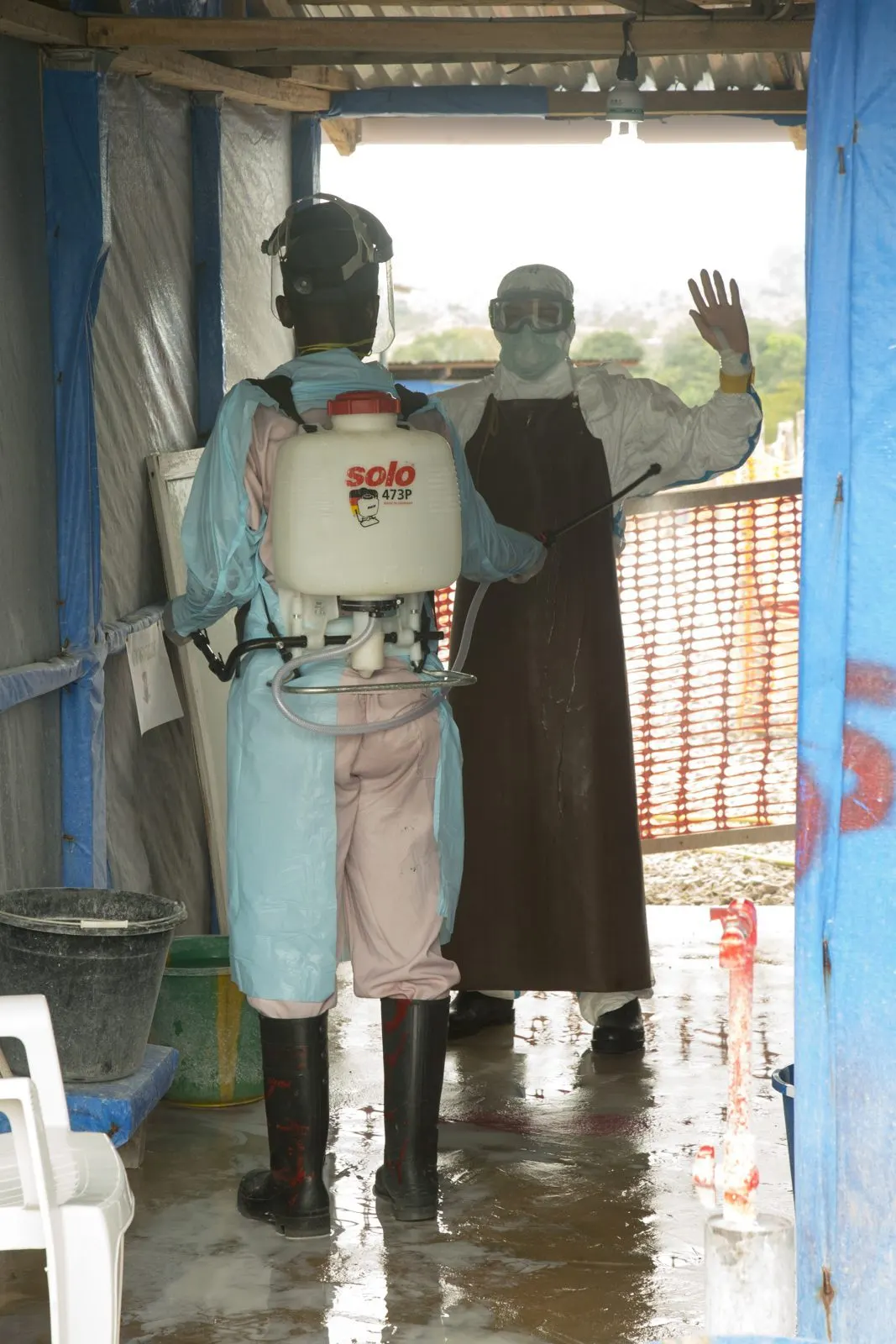 Health workers at an Ebola treatment unit in protective equipment
Credit: US Army via Wikimedia Commons (public domain)
Why this strain is so difficult to fight
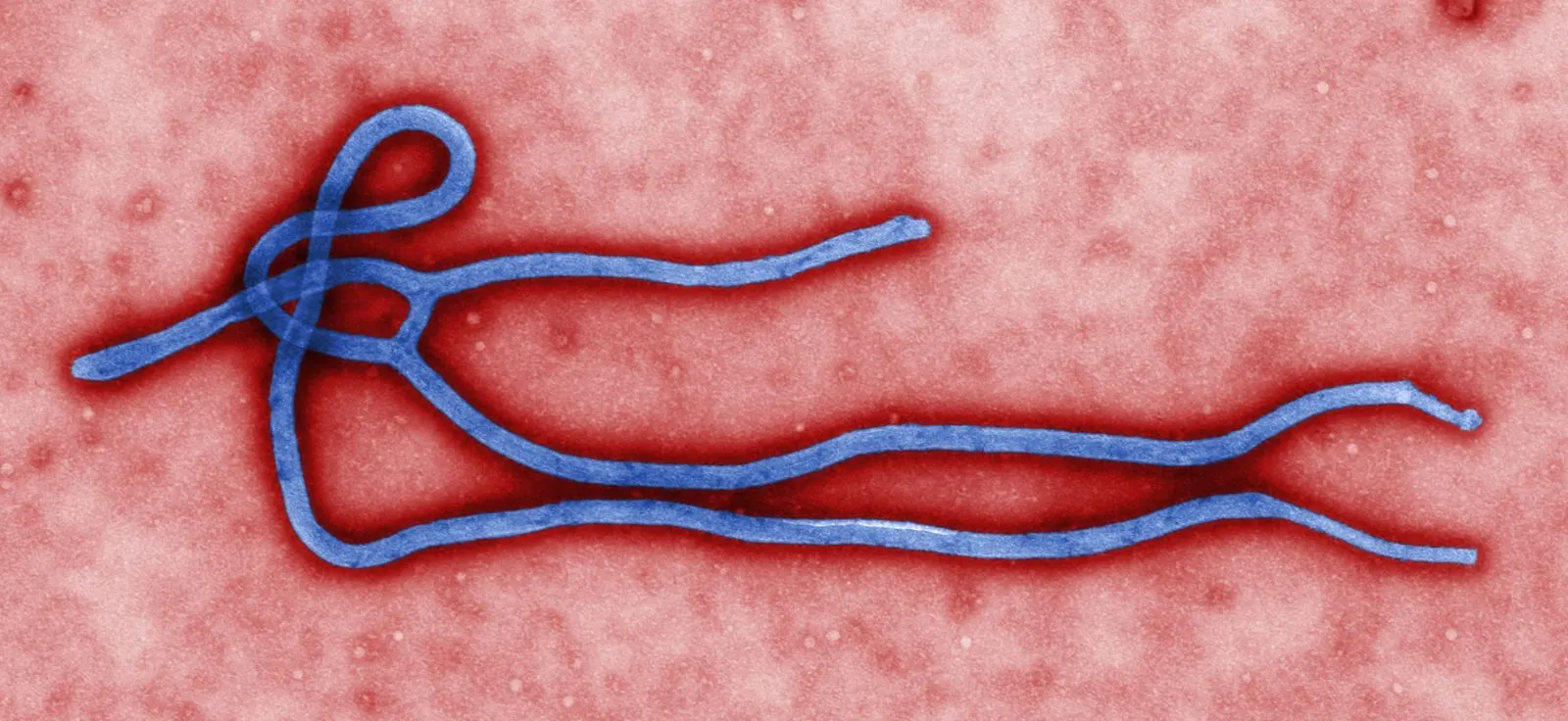
The current outbreak is caused by the Bundibugyo species of the Ebola virus, a rarer relative of the better known Zaire strain that most existing vaccines target. There is not yet any approved vaccine or specific treatment for Bundibugyo, although clinical trials are under way and health workers continue to treat patients for their symptoms, including dehydration and shock and any co-occurring bacterial infections. That gap in medical tools is one reason the outbreak has proved so hard to stop.
So far, 2,788 people have recovered from the virus, a figure that shows survival is possible with prompt supportive care even without a targeted drug. But the Africa Centres for Disease Control and Prevention has warned that about 80 percent of new cases are being detected outside monitored chains of transmission, meaning health authorities cannot trace those infections back to previously identified contacts. When chains of transmission go unseen, each new case can seed another cluster before responders even know it exists.
The outbreak has also outpaced the response in a more basic sense: it caught health authorities off guard when it was declared in mid May, and the speed of its growth has surprised even seasoned outbreak responders. The count of 5,000 deaths came just 168 days after the outbreak was officially declared, according to reporting of ministry data. That pace is part of why the WHO office in Africa has called for a continued scale up of key control measures, greater access to affected areas and community outreach.
How this outbreak compares with the past
DR Congo's previous deadliest outbreak, between 2018 and 2020, recorded 2,299 deaths, the UN said. The current outbreak has now killed more than twice as many people, and it is still going. The scale of the tragedy is a reminder that Ebola, first identified in the region decades ago, remains one of the world's most feared infectious diseases, with a fatality rate that in this outbreak is claiming roughly one in every two people infected.
The global context matters too. The West African epidemic of 2014 to 2016 infected more than 28,600 people and killed over 11,000, and it reshaped how the world prepares for outbreaks, from vaccine stockpiles to rapid response teams. The DR Congo outbreak is now second only to that event in both size and deaths, and health leaders fear that without a step change in the response it could yet climb further. Readers interested in how new pathogens emerge can read our coverage of the first human case of Shamonda virus in France and the first Ebola death confirmed in Kenya linked to this outbreak.
What happens next
Dr Patrick Otim, a programme area manager with the World Health Organization, reflected the mood among responders when he described the milestone in stark terms, saying it is very tragic because it is just not a number. His words point to the central challenge ahead: turning data into action in places that are hard to reach and where trust is fragile.
The WHO has set out what it says is needed to end the outbreak: a continued scale up of key control measures, greater access to affected areas and community outreach. In practice that means more testing, faster isolation of suspected cases, rigorous contact tracing, safe burials and honest communication with communities about how the virus spreads and how it does not. It also means protecting health workers, whose safety is essential to every other part of the response.
For now, the numbers continue to rise, and the outbreak remains the defining public health emergency in DR Congo. The hope among responders is that the same tools that have beaten back earlier epidemics, testing, treatment, tracing and trust, can still bring this one under control, before it writes an even darker chapter in the country's history. You can follow further developments on our World news page and our Science page, and learn more about who we are on our About page. For the latest verified guidance on Ebola, see the World Health Organization, the US Centers for Disease Control and Prevention, the Africa Centres for Disease Control and Prevention, the United Nations and the BBC source article, and return to the Verity homepage for continuing coverage.