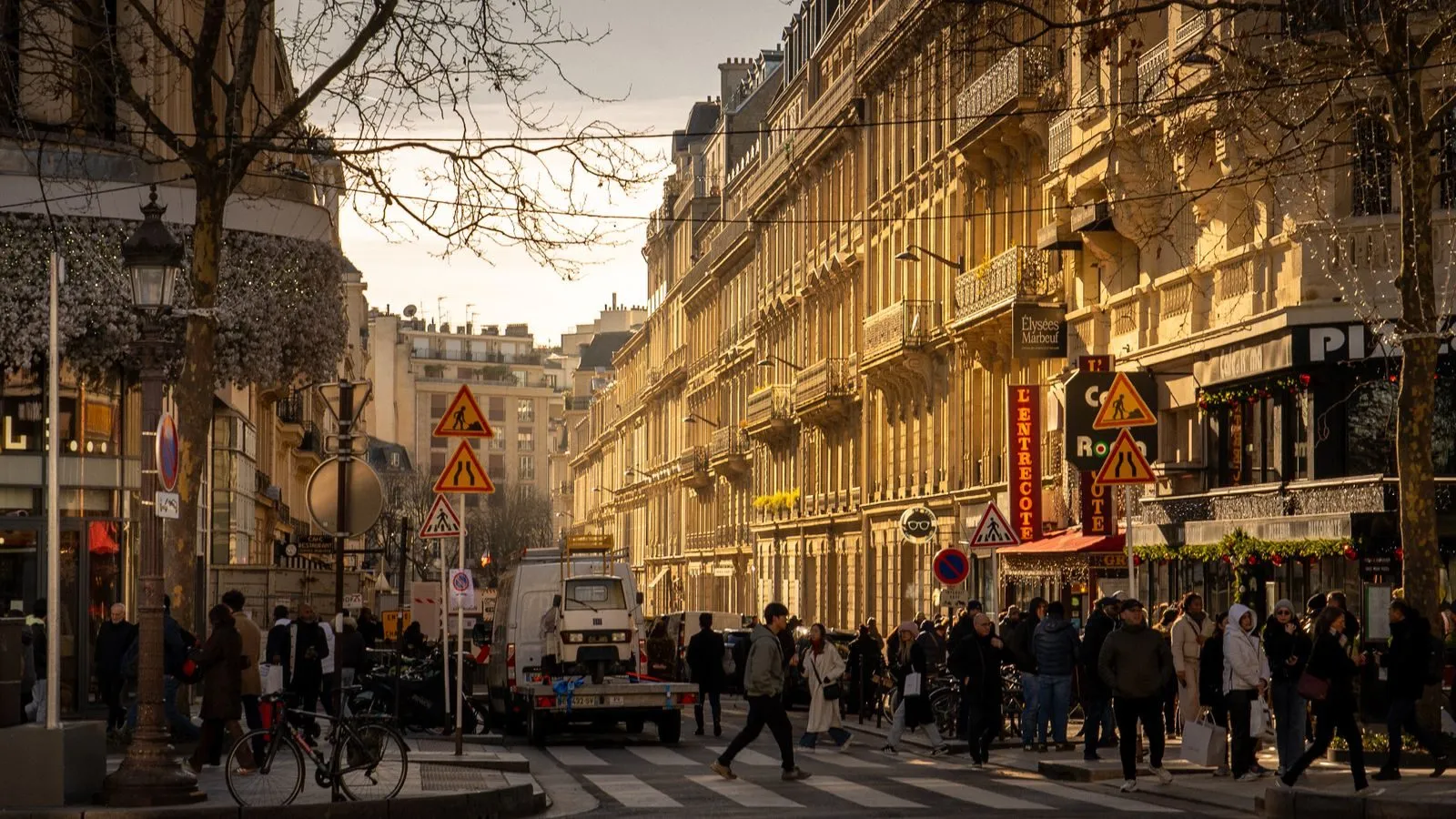
French cities have experienced their first night without serious disorder since rioting erupted on 17 October, after the government imposed targeted curfews across the country's main urban centres, Prime Minister Sébastien Lecornu has said.
In a post on X, Lecornu said the curfews had contributed to the overnight calm and thanked police officers, gendarmes and prefects for enforcing them, according to a BBC report. Fresh restrictions for Tuesday night will be decided locally by prefects working with mayors — a sign the government believes the emergency is contained but not yet over.
The Brussels Signal reports that the first curfews took effect on the night of 19 October in central Paris, covering the Place de la République and the Les Halles district from 11pm to 6am, with gatherings banned in designated areas from 8pm. Comparable measures applied in Lyon and in several communes around Lille, while restrictions in Bordeaux and Nice were set to run for several days. Police and gendarmerie sources described a largely quiet night nationwide, though scattered incidents were reported during demonstrations in Martinique. In Paris, a police helicopter swept a searchlight across the square through the night to check compliance.
A weekend of unprecedented disorder
The calm follows days of violence on a scale France has not seen in years. The protests of 17 October drew some 550,000 participants according to the authorities — the CGT union put the figure at more than 800,000. Looting and arson struck Paris, Lyon, Marseille, Bordeaux, Lille and Strasbourg, and looters returned to the capital for a second night.
The toll, set out by Justice Minister Gérald Darmanin, is stark: 2,513 people taken into custody, 67 of them jailed, with dozens of judicial investigations opened. About 1,000 police officers were injured, and one demonstrator lost a hand to a crowd-control grenade, according to AFP. In Limoges, the city's 19th-century town hall was gutted by fire — its bell tower collapsed and the building was described as largely lost.
The unrest has its roots in September, when secondary school pupils revolted over classroom conditions, and it has since widened into a mass protest over living costs — part of a wider wave across the European Union that has also brought rioting in Milan and clashes in Brussels. The policing of protest remains contested elsewhere too — in Britain, a recent decision took no action against a high-profile figure over a Palestine Action social media post. Organisers have called further demonstrations for 24 October, as Lecornu's minority government negotiates the 2027 budget in a fragmented National Assembly.
Our earlier reporting on the Paris protests covered the first nights of looting and the cost-of-living anger driving the movement.
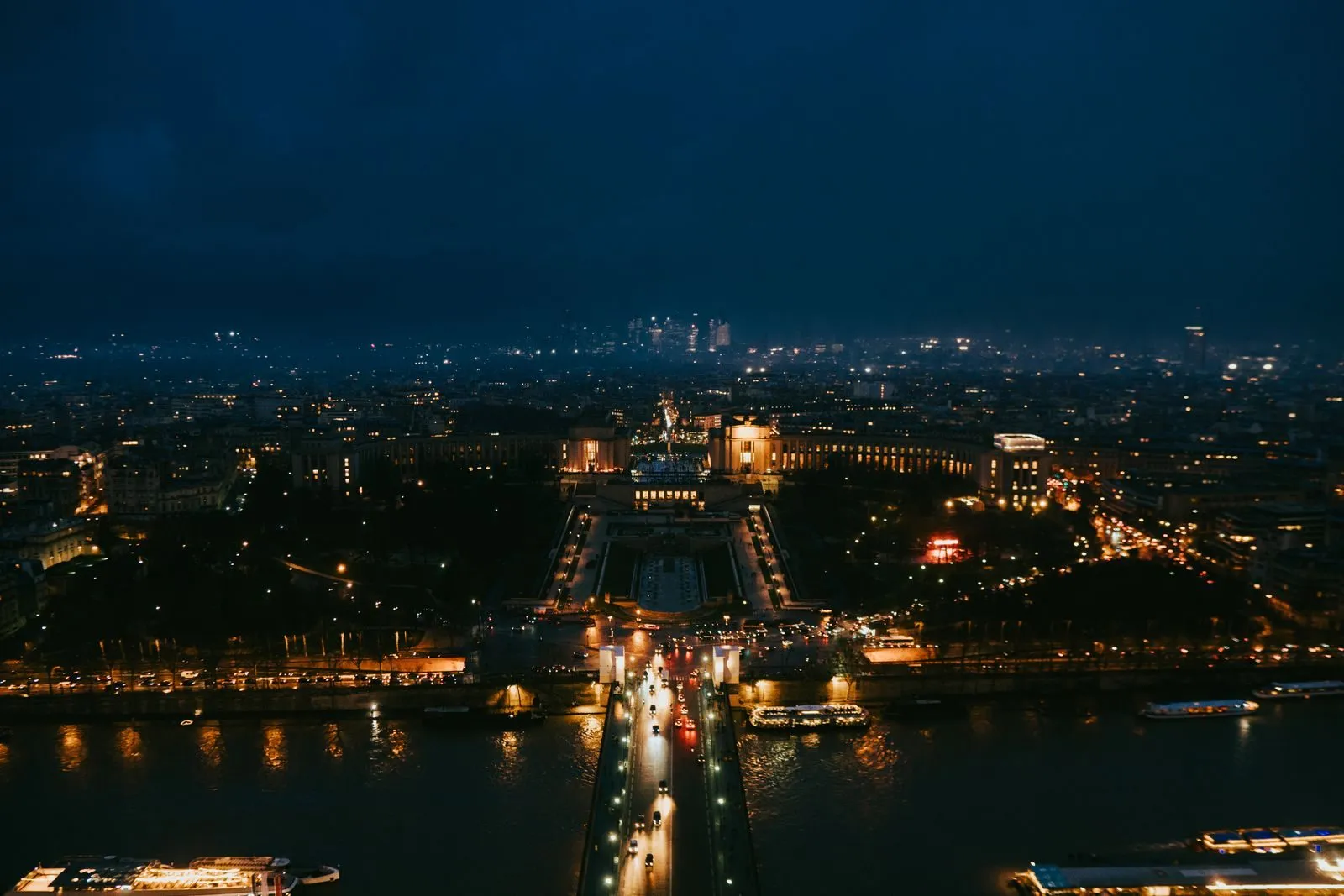
A nighttime aerial view of the Paris cityscape, as curfews emptied the capital's streets
Image: Nighttime aerial view of Paris via Pexels (free to use)
A minister's admission — and a refused resignation
The crisis has shaken the government to its core. Interior Minister Laurent Nuñez acknowledged that police had lost control of the streets and offered his resignation — which President Emmanuel Macron refused. The episode recalls earlier moments when French interior ministers have paid the political price for urban disorder, and Nuñez remains in post only at the president's indulgence.
Lecornu has blamed ultra-left groups for organising the violence in several cities, but that account was qualified on 19 October by the Paris public prosecutor, Laure Beccuau, who told TF1 she could not confirm that the rioters in the capital were politically aligned with the ultra-left. The disagreement hints at tensions between the government's political messaging and the judicial reality on the ground.
The government has not ruled out a state of emergency, but argues that localised curfews suit the situation better. Lecornu was due to hold further crisis meetings on 20 October, including talks with representatives of the main social media platforms — a recognition of the role online mobilisation has played — and to receive party leaders on 22 October.
Why France keeps returning to the streets
France's relationship with street protest is unlike anywhere else in Western Europe. From the gilets jaunes to pension reform battles, the Fifth Republic has repeatedly seen governments forced to retreat by sustained popular mobilisation. What makes the current wave distinctive is its origin: not a trade union or a political party, but schoolchildren angry about the conditions in which they are taught.
That a classroom revolt could metastasise within weeks into a national cost-of-living uprising — drawing more than half a million people onto the streets — speaks to a reservoir of discontent that predates the autumn. Inflation may have eased from its peaks, but for millions of French households the damage to living standards is done, and the government's room for manoeuvre is narrow: Lecornu leads a minority government, the National Assembly is fragmented, and France elects Macron's successor next year.
The interior ministry now faces the delicate task of keeping order without inflaming it. Curfews worked on their first night; whether they can hold through the planned demonstrations of 24 October — and through a budget battle that will test every faction in parliament — is another question entirely.
What to watch next
Three dates matter. Tuesday night will show whether the curfew strategy can be sustained or whether disorder simply moves to cities without restrictions. Thursday brings Lecornu's meetings with party leaders, where the 2027 budget negotiations will collide with the street's demands. And Saturday's planned demonstrations will be the real test of whether the government's show of force has broken the movement's momentum or merely paused it.
For continuing coverage, see France 24 and RFI, and read more world news and UK and international news on Verity — including our about page.