Nigel Farage has defended Reform UK's vetting of its candidates after undercover filming by ITV News captured party councillors and candidates using racist, violent and sexist language, insisting that no screening process can predict what people will go on to say.
Speaking to BBC Look East, the Reform UK leader said: "you can't vet for future comments." The remark came as the party faced intense scrutiny over secretly recorded conversations that have raised uncomfortable questions about standards and culture among its growing ranks of elected representatives and candidates, as covered in our Politics section.
The footage, gathered by ITV News reporters working undercover, shows Reform figures making a string of offensive remarks — from racist comments about senior politicians to violent and misogynistic language. The revelations have prompted demands for action from across Westminster, with Prime Minister Andy Burnham calling for a swift and decisive response, and rival parties questioning whether Reform is fit for the responsibilities it seeks.
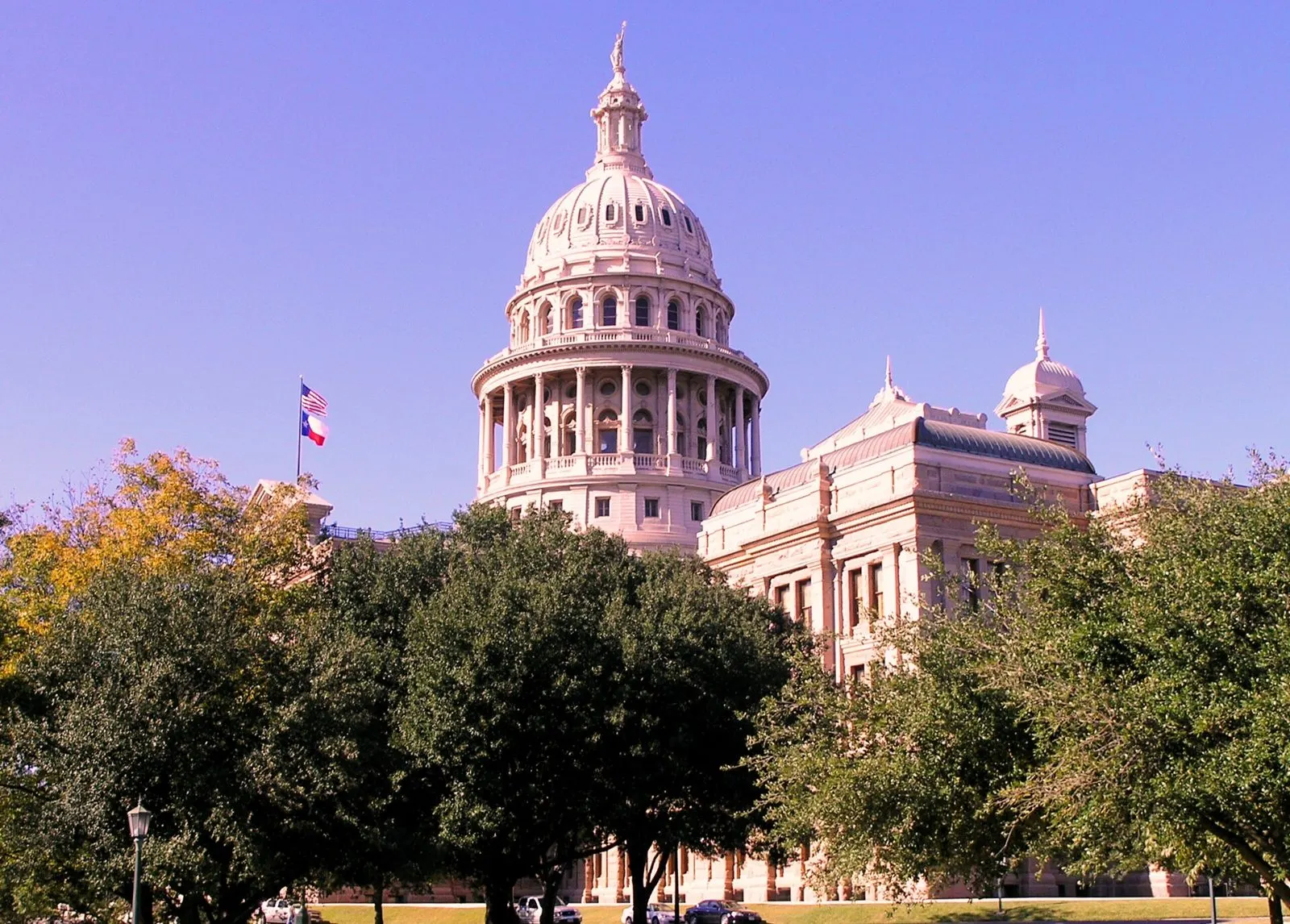
 Nigel Farage talking to members of the media
. Credit: Astral Media (Stephen West) / Wikimedia Commons, CC BY 2.0.
The Parry case: a warning overruled
At the centre of the row is Dr Chris Parry, a retired rear admiral who was Reform's mayoral candidate for Hampshire and the Solent. Parry posted online that David Lammy, who was then serving as deputy prime minister, "must go home to the Caribbean where [his] loyalty lies". He also publicly questioned the loyalty of eight other prominent black and Muslim politicians.
The comments might have ended Parry's candidacy on the spot — and according to the undercover footage, they very nearly did, at least in the eyes of the party's own staff. Ed Sumner, Reform's communications director, was filmed describing Parry as "clearly a racist" and declaring: "if it was up to me I would have kicked him out f***ing months ago."
But Sumner did not get his way. Farage overruled him, and the only consequence Parry faced was being required to apologise to Lammy — an apology he issued in January. He remained in place as Reform's candidate.
Parry's position became untenable only later. In March he was suspended "pending investigation" after the Guardian published remarks he had made about a Jewish neighbourhood watch group. Yet Parry has told both ITV and the BBC that no investigation ever took place. He has since left the party altogether — a departure that leaves open questions about what the suspension was meant to achieve, and whether the party's disciplinary machinery works as advertised.
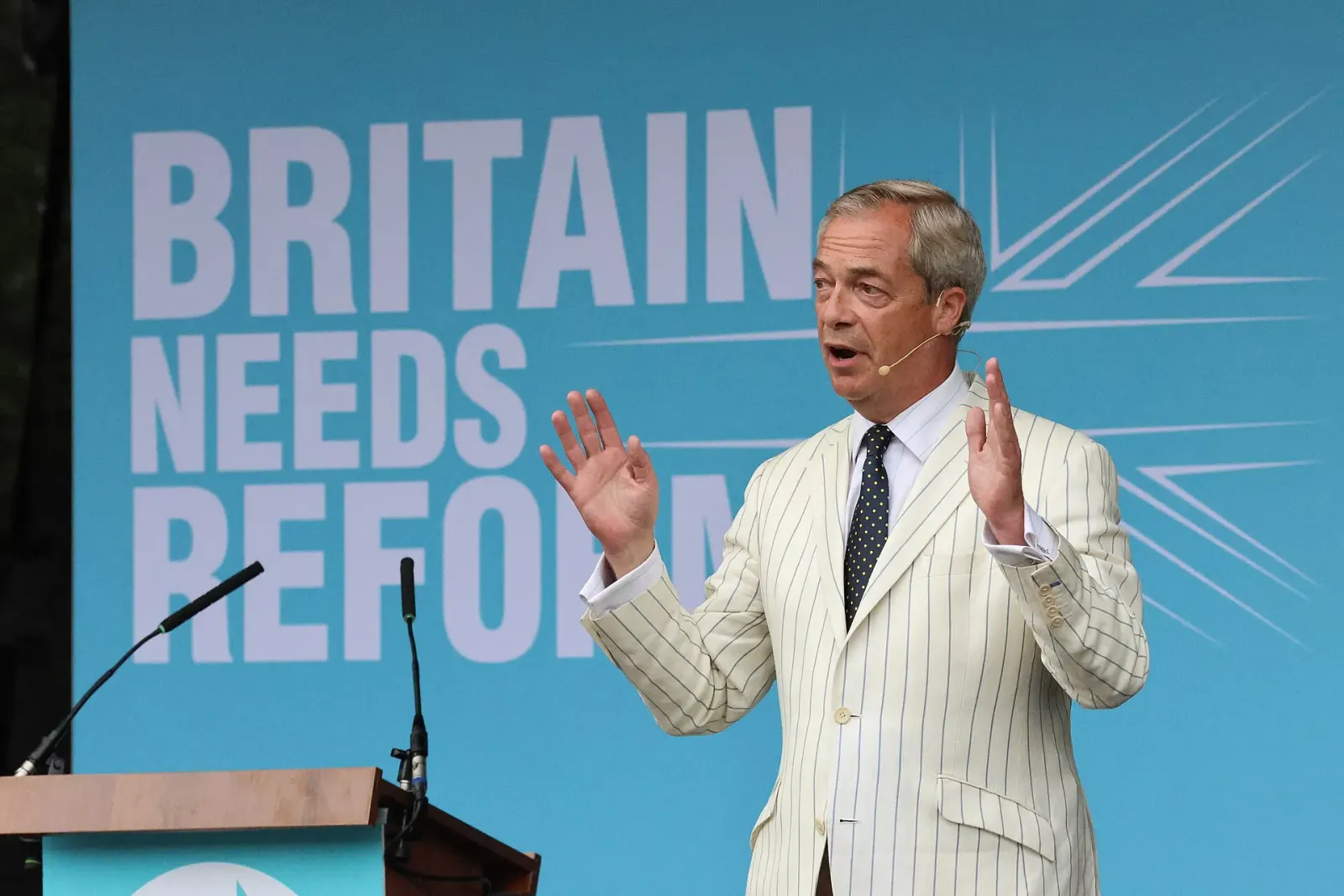 Nigel Farage addressing a Reform UK rally in Devon in June 2024
Nigel Farage addressing supporters at a Reform UK rally in Devon in June 2024. Credit: Owain Davies / Wikimedia Commons, CC BY-SA 4.0.
What the cameras caught in Bromley and Solihull
Parry was not the only Reform figure captured on camera. In Bromley, councillor Dean Miller was filmed declaring: "We've been ethnically cleansed out of London." In the same footage he branded King Charles a Muslim "traitor" — a remarkable attack on the monarch from an elected representative.
Miller has since resigned from Reform and now sits as an independent councillor. He attributed his remarks to the effects of heavy medication taken for chronic pain.
In Solihull, three more Reform figures — Feeney, Jamie Campbell and Chris Whelan — were filmed joking about burying pork chops in the ground to prevent a mosque from being built. The same group were recorded making misogynistic remarks about a female candidate standing for the party in Birmingham.
The footage appears to have confirmed the fears of some inside the party about its internal culture. Sarah Pochin, one of Reform's MPs, complained that party officials were deeply chauvinistic — a striking criticism from within the parliamentary party itself.
The range of figures involved — a mayoral candidate, a sitting councillor and local party campaigners, from Hampshire to Bromley to Solihull — has made it harder for the leadership to present the affair as an isolated lapse.
 Official parliamentary portrait of Nigel Farage MP
Official parliamentary portrait of Nigel Farage. Credit: Laurie Noble / Wikimedia Commons, CC BY 3.0.
Vetting claims denied as pressure builds
Adding to the pressure, Alex Lomas has claimed that he failed Reform's vetting process twice — only to then be told that he had passed. Reform denies his account.
The claim, if true, would point to a vetting system that is not merely limited but incoherent: a candidate rejected on two occasions being waved through on the third. The party's denial leaves the matter as one person's word against the organisation's, but it has intensified the focus on how Reform selects the people who stand under its banner.
Farage's core defence — that no vetting process can anticipate what candidates will say in future — has a certain logic. Background checks can uncover past statements, records and associations, but they cannot predict what someone will say once the cameras are hidden and their guard is down. Supporters argue that holding a leader responsible for every unguarded remark by every local candidate sets an impossible standard, one that no party could meet.
Critics counter that the Parry case undermines that defence entirely. The issue there was not a future comment nobody could have foreseen: it was remarks the party's own communications director wanted punished with expulsion, only for the leader to overrule him and settle for an apology. That, opponents say, is not a failure of vetting but a failure of will — a choice to keep a candidate whose views the party's own staff had flagged.
The affair also raises questions about what happens after vetting. Britain's electoral rules, overseen by the Electoral Commission, set the framework within which parties operate — but the day-to-day policing of standards is left to the parties themselves. When internal warnings are ignored at the top, there is little external machinery to step in.
Westminster reacts
The political response has been swift. The prime minister demanded immediate and firm action from Reform — a direct intervention from the top of the UK government that underlines how seriously the revelations are being taken.
The Conservatives said Farage had "failed" to make Reform ready for government, framing the scandal as evidence that the party lacks the discipline and standards required of a serious party of power. For the Tories, the row is both a genuine scandal and a political opportunity: proof, they argue, that protest movements cannot simply declare themselves ready to govern.
Liberal Democrat leader Sir Ed Davey described the revelations as "chilling" — a single word that captured the shock value of the footage for many outside Reform's base.
Not everyone in Westminster joined the condemnation. Robert Jenrick defended Farage on BBC Radio 4's Today programme, offering the Reform leader a measure of cross-party cover at a moment when some of his own party's figures might have been expected to pile in.
Similar questions about candidate standards have followed insurgent parties elsewhere in Europe — see our report on the AfD's gains in Saxony-Anhalt. At home, the standards debate reaches across party lines: the Green Party has faced its own controversies, a reminder that scrutiny of conduct is not confined to one party.
What happens next for Reform
The immediate question is what, if anything, Farage will now do. The prime minister's demand for action has put the ball firmly in the Reform leader's court, and the argument that vetting cannot predict future remarks — however reasonable in the abstract — is unlikely to satisfy critics when the remarks in question were known, the warnings were internal, and the leader chose leniency.
Reform's challenge is structural as well as reputational. The party is contesting seats and winning council representation across the country, and rapid expansion tests any organisation's internal machinery. Growth brings energy and momentum, but it also brings people whose views have never been examined under the spotlight of public office — and a disciplinary system that, on the evidence of the Parry case, can be overruled from the very top.
For a party that aspires to government, the standards applied to its representatives matter more, not less, than for an insurgent protest movement. Voters who might shrug at a rebellious candidate's loose language in opposition tend to take a different view of the people who would sit on the government benches in Parliament.
Whether this episode becomes a footnote or a turning point will depend on what follows: whether further footage emerges, whether more candidates are suspended or resign, and whether Farage moves from defending his vetting to reforming it. For now, the cameras have stopped rolling — but the questions they raised have not gone away.
This article was researched from BBC reporting on the ITV News investigation. Read the original BBC report here and follow the latest UK news on Verity. Share your view in our Opinion section.