The duelling petitions
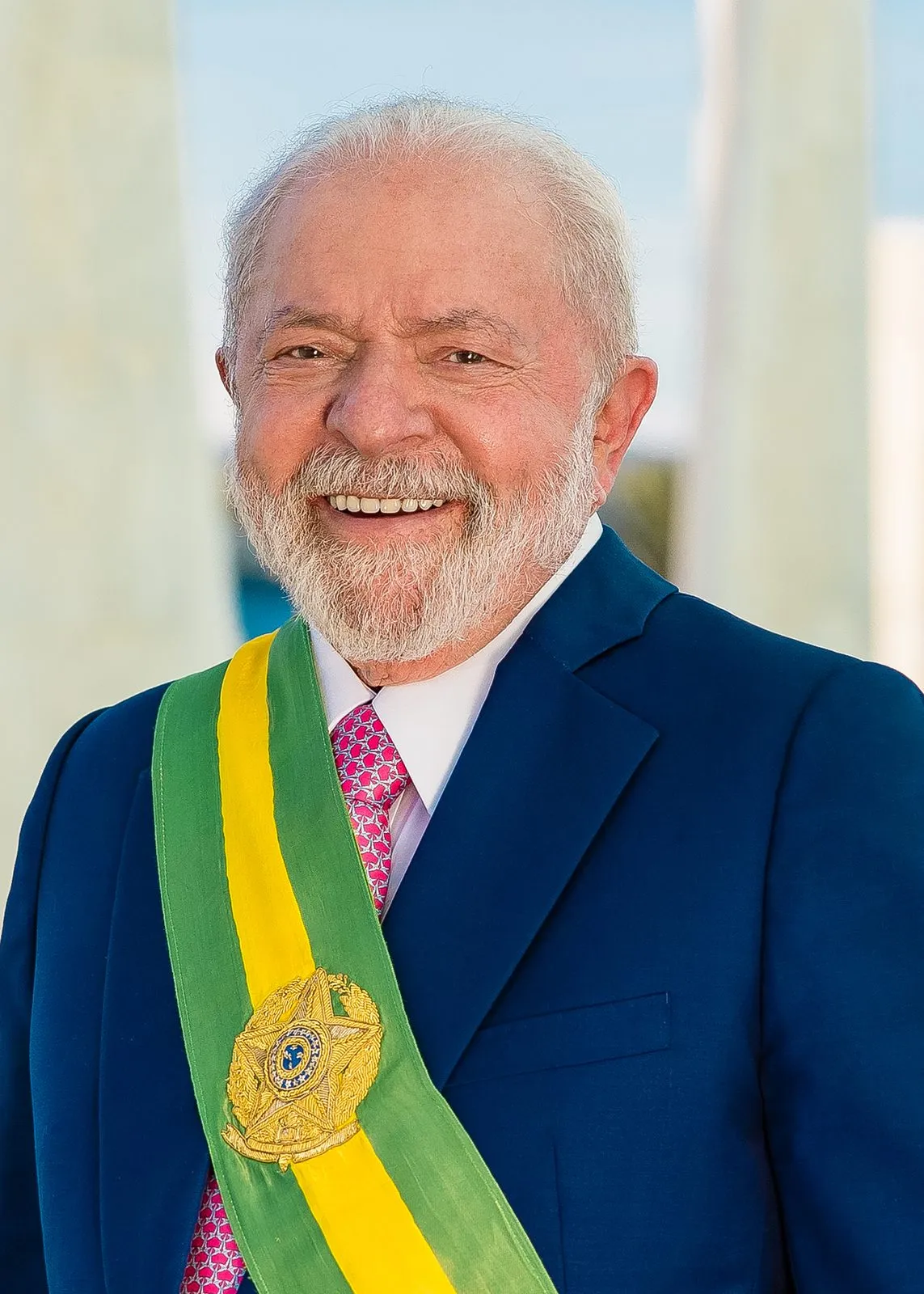
Brazil's bitterly contested presidential race has taken a dramatic legal turn days before Sunday's runoff, with both candidates now asking the country's top electoral court to disqualify the other over alleged social media wrongdoing. President Luiz Inacio Lula da Silva's campaign filed a petition with the Superior Electoral Court (TSE) on Wednesday seeking the disqualification of right-wing challenger Flavio Bolsonaro over alleged interference by the tech giant Meta — and Bolsonaro's team answered with a counter-petition of its own. Lula's petition, submitted to the TSE, concerns alleged "algorithmic manipulation" by Meta aimed at damaging the president's chances of winning, a campaign source told AFP. The plan was first revealed by the Brazilian newspaper Folha de S. Paulo on Monday and reported by the BBC. Campaign coordinator Senator Camilo Santana told reporters the filing would be made on Wednesday, a day later than initially expected. Later on Tuesday, Bolsonaro's team struck back. In a court filing seen by AFP, it accused Lula of "abuse of power" over what it described as the mass distribution of government posts on WhatsApp during the campaign. The two filings set up an extraordinary scenario: each side seeking to knock the other out of the race entirely, just days before voters return to the polls.
What Lula's campaign alleges
At the heart of Lula's complaint is the claim that Meta — which owns Facebook, WhatsApp and Instagram — has been suppressing his campaign's online content to boost Bolsonaro. The TSE order that followed said the company had 24 hours to prove it was treating both campaigns equally, under threat of a daily fine of around US$200,000. Lawyers for Meta and both campaigns met at the court on Tuesday, according to a court source.
Lula's team also pointed to inconsistencies in WhatsApp's artificial intelligence tools, alleging that Lula-related election content was limited while Bolsonaro-related content was untouched. Users additionally reported that Meta's AI tools were not generating images related to Lula. On Monday, pro-Lula supporters gathered outside Meta's office in Sao Paulo, accusing the company of interfering in the electoral process.
The concerns have drawn international attention. UN experts said on Wednesday they were troubled by reports of discrepancies in each campaign's ability to reach voters on Meta's platforms. A report led by the UN's special rapporteur on freedom of expression said Meta must ensure a level playing field online during the election, citing "temporary interruptions" of one candidate's campaign account and "differences in audience engagement" across user feeds and view counts. The report added that information, including from Meta employees, suggested accounts linked to one side of the race were disproportionately curtailed.
 Brazilian senator Flavio Bolsonaro, the right-wing challenger facing Lula in the runoff.
Meta's response
Meta has denied taking any action to favour one side of the election. In a statement on Tuesday, the company said: "We have completed the implementation of the measures to comply with the Superior Electoral Court's decision." It has also said it would comply with the court's order to treat both campaigns equally. The company previously acknowledged that some of Lula's campaign advertisements had been mistakenly deactivated, but attributed this to technical errors it said were not isolated to Brazil. The dispute puts fresh pressure on Meta's handling of elections worldwide — a theme Verity has covered before, including the UK regulator's investigation into Meta's Instagram safety practices.
Bolsonaro's counter-claim
Bolsonaro's camp frames the dispute very differently. Its petition accuses the incumbent of exploiting the machinery of government for campaign purposes, pointing to the mass dissemination of government posts on WhatsApp. In the team's telling, it is the Lula government — not the platform — that has tilted the digital playing field. The counter-petition means the TSE now faces competing disqualification requests from both finalists. How the court handles them — and how quickly — could shape the final days of the campaign. Brazil's electoral justice system has a history of assertive intervention in campaign conduct, and the court's willingness to threaten Meta with heavy daily fines shows it is prepared to act forcefully again.
A race on a knife's edge
The legal escalation comes in a contest that could hardly be closer. In the first round earlier this month, Flavio Bolsonaro took 47% of the vote against 45% for Lula. Polls ahead of Sunday's runoff show a technical tie, with neither candidate able to open a decisive lead. Lula, 80, is seeking a fourth non-consecutive term as president, having previously governed from 2003 to 2010. His challenger, 45-year-old senator Flavio Bolsonaro, is the son of jailed former president Jair Bolsonaro, and has positioned himself as the standard-bearer of the Brazilian right. The two clashed in a televised debate in Sao Paulo on Sunday, a week before the runoff — a tense encounter that underlined how personal and bitter the contest has become. The backdrop includes other recent election-integrity flashpoints around the world, from Italy's approval of electoral reform to the US embassy's accusation that Canada meddled in American midterms. The Brazil case is distinct, however, in that both candidates are simultaneously crying foul — each claiming the other has corrupted the digital contest.
What happens next
Neither petition has been ruled on yet, and disqualification of a presidential finalist days before a runoff would be an extraordinary step. The immediate focus is on whether Meta satisfies the court's equal-treatment order and avoids the daily fines, and whether the TSE moves to adjudicate either campaign's disqualification request before Sunday's vote. For voters, the legal drama adds another layer of uncertainty to an already volatile race. For the platforms, it is another test of whether global tech companies can credibly claim neutrality in elections where the stakes — and the scrutiny — could not be higher. The case also echoes wider regional tensions over power and accountability, including the recent US indictment of Venezuela's Maduro. Follow our Politics page for continuing coverage, and read more about this publication on our About page. Background on the electoral process is available from Brazil's electoral court at tse.jus.br.