In Short (TL;DR)China is injecting 360 billion yuan, worth about $53.6bn, into eight state-owned banks and insurance companies as Beijing seeks to strengthen financial stability and support economic growth. The package targets major lenders and insurers as China faces weak domestic demand, a prolonged property downturn, demographic pressures and continuing trade and technology tensions with the US.
Beijing announces major financial-sector support package
China is preparing a 360 billion yuan ($53.6bn; £39.7bn) capital injection for eight state-owned banks and insurance companies as the government seeks to strengthen the country's financial system and support the slowing economy.
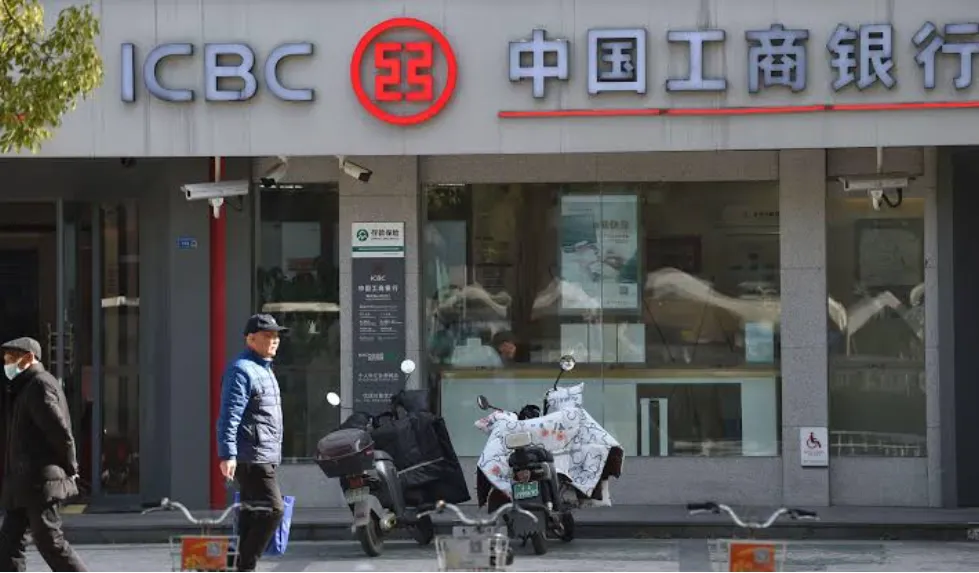
The programme, led by China's finance ministry, was reported by state news agency Xinhua on Sunday. The funding will cover three major banks and five insurance companies, including Industrial and Commercial Bank of China (ICBC), Agricultural Bank of China and China Export & Credit Insurance Corporation.
Xinhua said the measure is intended to strengthen the institutions' ability to operate, withstand risks and provide greater support to China's wider economy.
Financial institutions to receive additional resources
The package is designed to give the selected financial institutions more financial capacity at a time when Beijing is attempting to encourage economic activity.
China's state-run Global Times said the additional capital would allow banks and other financial institutions to provide more credit to the “real economy” while improving their ability to cope with external financial pressures.
The move reflects President Xi Jinping's longstanding emphasis on financial stability as an important component of national security.
China faces several economic pressures
The announcement comes as the world's second-largest economy deals with several challenges.
China's domestic demand has remained weak, while its property sector has experienced a prolonged downturn. The country is also dealing with an ageing population and a shrinking workforce.
At the same time, economic relations with the United States remain affected by trade and technology tensions.
The impact of the Iran war on oil prices has added another pressure to the economy, while China's exports have remained comparatively strong.
Growth slows in second quarter
Official figures released in July showed China's economy expanded by 4.3% in the second quarter, down from 5% growth in the first quarter.
The second-quarter slowdown was linked to weaker domestic demand and the effects of higher oil prices associated with the Iran war, despite continued strength in exports.
Beijing lowered its 2026 economic growth target in March to a range of 4.5% to 5%. According to the information provided, this was the lowest annual growth target set by Beijing since 1991.
Some analysts viewed the target as giving the government greater room to recognise existing weaknesses in the economy.
Wider effort to reshape China's economy
The new financial package forms part of a broader effort by Beijing to adjust the structure of the Chinese economy while responding to longer-term pressures.
The property market slowdown, demographic changes and tensions with the US have complicated efforts to maintain economic momentum.
Strengthening the balance sheets and risk resilience of major state-owned financial institutions could give them greater capacity to support businesses and other parts of the economy through lending.
The government has not only been seeking stronger financial stability but also looking for ways to increase domestic spending and sustain growth.
What happens next?
The immediate focus will be on how the newly announced capital is deployed by the eight state-owned institutions.
Beijing is seeking to maintain financial stability while supporting economic activity against a backdrop of slower growth, weak domestic demand and structural challenges.
The scale of the package underlines the importance the Chinese government places on its state-controlled financial sector as it works to navigate the country's current economic pressures.