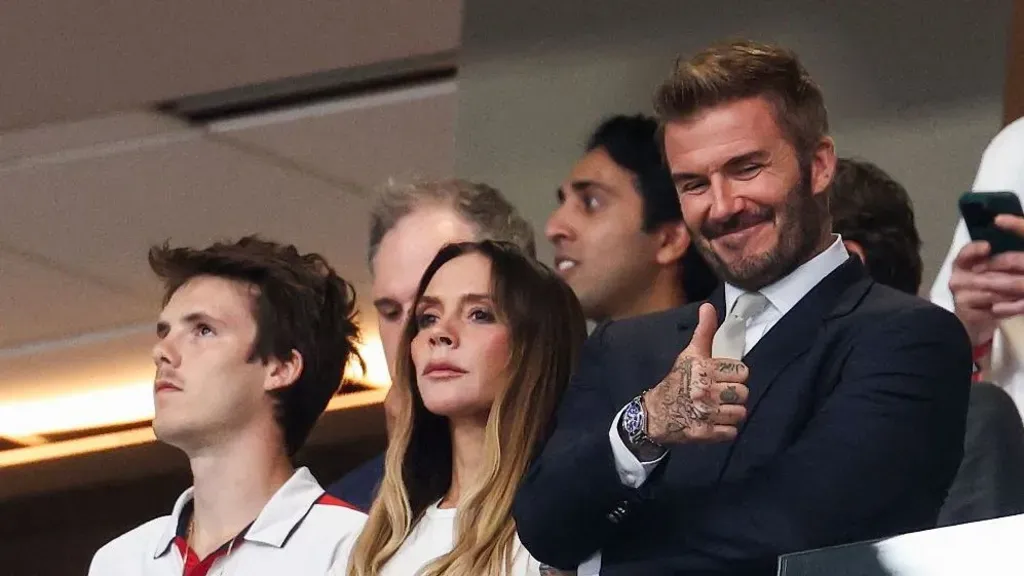
Sir David Beckham has reportedly netted a substantial £38.5 million, stemming from his involvement in lucrative World Cup advertising deals. This significant payout represents a substantial portion of the £85.5 million in dividend payments distributed by DRJB Holdings, underscoring the enduring commercial power and strategic business acumen of the former football superstar.
David Beckham's trajectory from a celebrated footballer to a global business magnate is a testament to savvy brand management and an unparalleled international appeal. Long after hanging up his boots, Beckham has solidified his status as one of the most commercially potent figures in the world, transcending sports to become a fashion icon, cultural influencer, and astute entrepreneur. His journey began with iconic endorsement deals during his playing career, leveraging his good looks, talent, and widespread recognition to forge partnerships with leading brands across various sectors, from sportswear to luxury goods. This early foundation established a blueprint for a post-playing career that would focus heavily on brand extension and strategic commercial ventures.
The transition from athlete to businessman is often fraught with challenges, yet Beckham navigated this shift with remarkable success. His ability to maintain relevance and desirability in the global marketplace speaks volumes about the meticulous cultivation of his personal brand, which resonates deeply across diverse demographics and geographic regions. This longevity is not merely accidental; it is the result of carefully selected endorsements, strategic investments, and a keen understanding of global consumer trends. His name, synonymous with aspiration and style, continues to be a magnet for advertisers seeking to tap into a vast, engaged audience, making him an invaluable asset for any major marketing campaign, especially those linked to premier global events like the World Cup.
The recent £38.5 million dividend payment to Sir David Beckham highlights the sophisticated structure of his commercial empire, primarily managed through DRJB Holdings. While specific details about the company's full portfolio are typically private, it is understood to serve as a key vehicle for his various commercial interests, encompassing everything from brand endorsements and media appearances to his growing investment portfolio. The fact that Beckham's stake entitled him to almost half of the total £85.5 million in dividend payments from DRJB Holdings indicates a significant ownership percentage and direct participation in the profits generated by these ventures.
Dividend payments are a common method for companies to distribute a portion of their earnings to shareholders. For a holding company like DRJB Holdings, these dividends reflect the culmination of successful commercial activities over a reporting period. The substantial sum involved underscores the robust financial performance of the underlying assets and deals managed by the entity. This structure allows high-net-worth individuals like Beckham to streamline the management of their diverse income streams, from licensing agreements to equity stakes in various businesses, providing a centralized approach to wealth generation and distribution. It's a common strategy among global celebrities and athletes to manage their vast earnings and investments efficiently, often optimizing for long-term growth and stability beyond their primary careers. The magnitude of this particular dividend underscores the profitability and scale of Beckham's commercial engagements, particularly those tied to the World Cup.
The FIFA World Cup stands as arguably the most significant single-sport event on the planet, commanding an unparalleled global audience that spans billions. This immense viewership translates into an irresistible platform for advertisers and brands seeking maximum exposure and consumer engagement. For celebrities with global appeal, aligning with the World Cup offers a unique opportunity to amplify their personal brand while endorsing products and services to a truly worldwide demographic. The 'World Cup ad deals' mentioned in relation to Beckham's dividend are indicative of the high-stakes, high-reward nature of marketing during such a monumental event.
Brands invest astronomical sums to secure sponsorship rights, advertising slots, and celebrity endorsements during the tournament, understanding that the reach and emotional connection fostered during the World Cup are unmatched. A global icon like David Beckham, with his deep association with football and universal recognition, becomes a prime target for these campaigns. His involvement lends credibility, aspirational value, and instant global recognition to any product or service. The deals likely encompass a range of activities, from television commercials and digital campaigns to public appearances and social media activations, all designed to leverage the immense excitement and viewership surrounding the tournament. This strategic alignment allows brands to tap into the passion of football fans worldwide, while figures like Beckham capitalize on their enduring influence to secure highly lucrative commercial partnerships, reinforcing his position as a commercial powerhouse in the sports and entertainment industry. The economics of major sporting events are a complex interplay of media rights, sponsorship, and celebrity endorsements, all converging to create significant revenue streams.
The Mechanics of Major Sports Endorsement Deals
Major sports endorsement deals, particularly those surrounding events like the World Cup, are meticulously crafted agreements designed to maximize mutual benefit. For brands, the aim is to leverage a celebrity's image and reach to enhance their market presence, drive sales, and build brand loyalty. For the celebrity, it’s about monetizing their fame, expanding their brand portfolio, and securing substantial financial returns. These agreements often involve a fixed fee, performance-based bonuses, and sometimes even equity stakes, tying the endorser’s success to the brand’s performance. The duration of such deals can vary, often spanning months leading up to and during the event, ensuring sustained visibility. The legal and marketing teams involved negotiate intricate clauses covering exclusivity, usage rights of the celebrity's image, social media obligations, and geographic territories, ensuring comprehensive coverage and protection for all parties. The scale of the World Cup necessitates a global approach to these agreements, reflecting the universal appeal of both the tournament and its celebrity ambassadors.
The £38.5 million dividend is but one facet of Sir David Beckham's expansive and diversified business empire. His post-playing career has been marked by a series of strategic moves that have transformed him into a formidable entrepreneur. Beyond traditional endorsements, Beckham has ventured into various sectors, demonstrating a keen eye for business opportunities. His involvement as co-owner of Major League Soccer (MLS) club Inter Miami CF represents a significant investment in sports ownership, allowing him to transition from player to executive and shape the future of football in North America. This move is not just about passion; it's a calculated business decision aimed at long-term capital appreciation and operational revenue.
Furthermore, Beckham's influence extends into the fashion and lifestyle industries, with his own successful fragrance lines, eyewear collections, and collaborations with high-profile fashion brands. He has also been involved in media production and digital ventures, understanding the evolving landscape of content consumption and celebrity engagement. This diversification strategy is crucial for sustaining wealth and influence beyond the transient nature of a playing career. By spreading his investments across multiple industries and geographies, Beckham mitigates risk and creates multiple streams of income, ensuring his financial legacy continues to grow. His business model serves as a blueprint for athletes looking to build sustainable wealth and impact long after their sporting careers conclude, leveraging their global recognition into tangible commercial success. and provides insights into how figures like Beckham build their empires.
The Evolution of Athlete-Entrepreneurs
The landscape of professional sports has witnessed a significant evolution in recent decades, with athletes increasingly transforming into savvy entrepreneurs. No longer content with merely collecting salaries and endorsement fees, many sports stars are actively building their own business empires, investing in startups, owning teams, and launching their own brands. This shift is driven by a combination of factors: increased financial literacy among athletes, the growth of personal branding through social media, and a desire for long-term financial security beyond their playing days. Figures like Michael Jordan, LeBron James, and Cristiano Ronaldo exemplify this trend, demonstrating that athletic prowess can be a powerful springboard for significant business success. These athlete-entrepreneurs often bring a unique perspective, leveraging their competitive drive, discipline, and global network to create substantial value in the business world, setting new benchmarks for post-career wealth generation.
The substantial payout to Sir David Beckham from World Cup ad deals is a powerful indicator of several ongoing trends in the global economy: the escalating commercialization of sports, the enduring power of celebrity endorsements, and the increasingly sophisticated ways in which personal brands are monetized. As global sporting events continue to grow in viewership and cultural significance, the associated advertising and sponsorship markets will only expand, offering even greater opportunities for brands and celebrity ambassadors. The future will likely see further integration of digital platforms, virtual reality, and artificial intelligence into these campaigns, creating more immersive and personalized experiences for consumers.
Moreover, the model exemplified by Beckham—that of a diversified business portfolio managed through strategic holding companies—is likely to become the standard for high-profile athletes and celebrities. This approach allows for greater financial control, tax efficiency, and the ability to cultivate a legacy that extends far beyond a single profession. The challenge for future celebrity brands will be to maintain authenticity and relevance in an increasingly crowded and fragmented media landscape. However, for established icons like Beckham, whose appeal has proven remarkably resilient over decades, the path appears clear: continued strategic engagement with global events and a relentless pursuit of innovative business ventures will ensure his commercial star continues to shine brightly. The intersection of sports, entertainment, and global commerce remains a fertile ground for unprecedented wealth creation and brand influence. Global brand building strategies are constantly evolving, and celebrity endorsements remain a cornerstone.
In conclusion, Sir David Beckham's impressive £38.5 million dividend from World Cup ad deals is more than just a large sum of money; it is a powerful affirmation of his exceptional ability to transform athletic prowess into a enduring, highly lucrative global brand. It highlights the strategic brilliance behind his post-playing career, the effectiveness of his business structures like DRJB Holdings, and the unparalleled commercial magnetism of premier sporting events like the FIFA World Cup. As the world of sports and entertainment continues to merge with global commerce, Beckham stands as a preeminent example of how a carefully managed personal brand can yield extraordinary financial returns for decades.