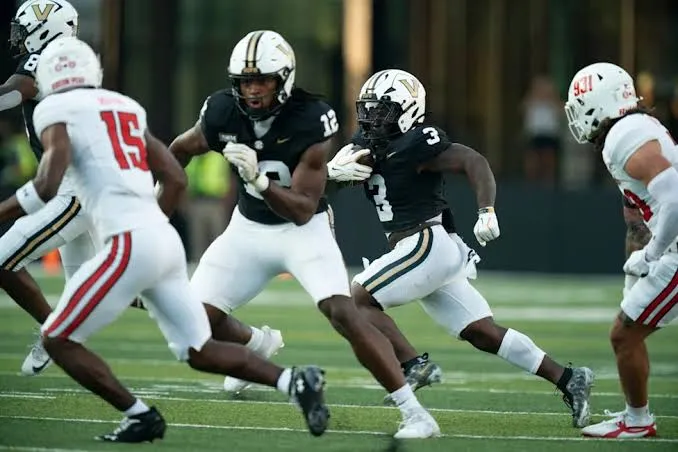
Vanderbilt vs. Austin Peay: Unpacking the Global Significance of Collegiate Game Day
The recent VUFB Game Day featuring Vanderbilt University against Austin Peay State University was far more than a mere athletic contest; it represented a vibrant microcosm of American collegiate sports culture, demonstrating its profound community impact and surprising global resonance. This event underscores the deep cultural traditions, significant economic ripple effects, and universal appeal embedded in the fabric of university athletics, extending its influence well beyond the boundaries of the playing field.
For many, particularly within the United States, a ‘Game Day’ is an institution, a cherished ritual that transcends the boundaries of sport, evolving into a cultural phenomenon. It is a day marked by vibrant gatherings, palpable excitement, and a profound sense of community, serving as a powerful anchor in the social calendar of countless towns and cities. The convergence of Vanderbilt University's football program (VUFB) and Austin Peay State University for a game day event encapsulates this unique American tradition, illustrating how local athletic contests can resonate on a much larger, even global, scale. While the immediate focus is on the scoreboard, the broader narrative encompasses the intricate web of history, economics, social dynamics, and the evolving landscape of sports entertainment that defines collegiate athletics in the 21st century.
The concept of 'Game Day' in American collegiate sports is a cultural cornerstone, a phenomenon that transforms university campuses and surrounding communities into hubs of fervent activity and shared identity. It is a meticulously choreographed spectacle, steeped in traditions of college football that have been passed down through generations. From the pre-dawn preparations of tailgating parties, where alumni, students, and fans gather to grill, socialize, and celebrate their team, to the thundering roar of the marching band and the synchronized cheers echoing through the stadium, every element contributes to an immersive experience. This elaborate ritual fosters a powerful sense of belonging, uniting diverse groups under a common banner of school pride. For many, it's a pilgrimage, an opportunity to reconnect with their alma mater, relive cherished memories, and forge new ones. The atmosphere is electric, a blend of competitive spirit, camaraderie, and an almost familial connection to the institution. It's a day when rivalries are celebrated, heroes are cheered, and the collective spirit of a university shines brightest, creating indelible memories that extend far beyond the final whistle. This deep emotional investment is what elevates a simple football game into a profound cultural event, showcasing the unique blend of athleticism, pageantry, and community spirit that defines American college sports.
The encounter between Vanderbilt University and Austin Peay State University on Game Day represents a fascinating dynamic within the collegiate sports landscape. These two institutions, while geographically proximate, embody distinct profiles and athletic journeys, each bringing a unique narrative to the gridiron. Understanding their individual contexts enriches the appreciation of their athletic meetings.
Vanderbilt University: Academic Prowess Meets Athletic Ambition
Vanderbilt University, situated in Nashville, Tennessee, holds a distinguished reputation as a leading private research university with a highly selective academic profile. Its athletic programs, known as the Commodores, compete in the highly competitive Southeastern Conference (SEC), widely regarded as one of the premier athletic conferences in the nation, particularly for football. Vanderbilt's journey in collegiate football has often been characterized by the unique challenge of balancing elite academic standards with the intense demands of top-tier athletics. Historically, the program has faced stiff competition within the SEC, yet it has also celebrated moments of significant achievement and resilience. The role of sports at Vanderbilt is multifaceted; it serves as a vital component of student life, a source of alumni engagement, and a powerful branding tool, projecting the university's name onto a national stage. Despite the academic rigor, Vanderbilt remains committed to providing a comprehensive student-athlete experience, aiming to develop well-rounded individuals who excel both in the classroom and on the field. The football program, therefore, is not merely about wins and losses, but about upholding the university's values of excellence, integrity, and community spirit, even as it navigates the competitive currents of collegiate sports.
Austin Peay State University: Rising Program, Community Pride
Austin Peay State University, located in Clarksville, Tennessee, presents a compelling contrast and complement to Vanderbilt. As a public university with a strong focus on regional service and community engagement, Austin Peay’s athletic program, the Governors, plays a pivotal role in fostering local pride and identity. The Governors compete in the United Athletic Conference (formerly the ASUN-WAC Challenge), a conference at the Football Championship Subdivision (FCS) level. In recent years, Austin Peay's football program has experienced a remarkable resurgence, transforming from a historically challenging team into a competitive force within its division. This upward trajectory has ignited immense enthusiasm within the university and the surrounding Clarksville community. For Austin Peay, athletics are deeply intertwined with the institution's mission, serving as a visible symbol of growth, determination, and collective achievement. Game days become central community events, drawing in local residents, families, and businesses, reinforcing the bond between the university and its regional stakeholders. The success of the Governors offers a powerful narrative of ambition and perseverance, proving that with strategic investment and dedicated effort, programs can ascend and inspire a loyal fanbase. Austin Peay State University's athletic program not only enhances student life but also acts as a significant cultural and economic driver for the entire region.
The impact of a collegiate Game Day extends far beyond the stadium walls, generating significant economic and cultural ripples that permeate local communities and beyond. These events are not just about sport; they are powerful catalysts for commerce, community building, and social cohesion.
Local Economic Boost
A Game Day, particularly one involving a major university like Vanderbilt, acts as a substantial economic stimulus for the host city. Nashville, a vibrant metropolis, experiences a surge in activity as thousands of fans, alumni, and visitors descend upon the city. This influx translates directly into increased revenue for a multitude of local businesses. Hotels see higher occupancy rates, restaurants and bars experience bustling crowds, and retail establishments, from souvenir shops to boutique stores, benefit from increased consumer spending. The demand for transportation services, parking, and various event-related amenities also escalates, creating temporary employment opportunities and boosting the service sector. Moreover, the long-term effects can include enhanced tourism, as visitors who enjoy their Game Day experience may return for other events or vacations. Studies on the local economic impact of sports consistently show that major sporting events contribute millions to local economies through direct spending, indirect benefits, and induced economic activity. For Austin Peay's community in Clarksville, while on a different scale, the principle holds true, with local businesses seeing a noticeable uplift on game weekends, fostering a symbiotic relationship between the university and its economic ecosystem.
Cultural Fabric and Community Building
Beyond the financial gains, Game Day plays an indispensable role in weaving the cultural fabric of a community. It provides a shared experience that transcends demographic divides, bringing together people from all walks of life—students, faculty, alumni, local residents, and even rival fans—in a collective celebration. This communal gathering fosters a strong sense of identity and belonging, reinforcing social bonds and creating a vibrant civic atmosphere. For universities, Game Day is a powerful tool for alumni engagement, offering a tangible connection point for graduates to reconnect with their alma mater, rekindle friendships, and demonstrate their continued support. For students, it's an integral part of the college experience, shaping memories and fostering school spirit. The rituals, traditions, and collective emotional investment create a unique cultural touchstone, often passed down through families. This shared passion and collective pride contribute significantly to the social capital of a region, building stronger, more cohesive communities. The very act of attending a game, participating in tailgates, and cheering for a common cause strengthens social ties, making Game Day a powerful engine for community building and cultural expression. Studies on sports tourism also highlight the cultural exchange and community pride generated by such events.
While inherently American in its cultural expression, collegiate sports, exemplified by a Vanderbilt-Austin Peay Game Day, are increasingly viewed through a global lens. In an interconnected world, local events possess an unprecedented capacity to transcend geographical boundaries, reaching audiences far beyond their immediate vicinity. This phenomenon transforms what might seem like a regional contest into a piece of a larger global narrative, demonstrating the universal appeal of competition, teamwork, and human endeavor.
For expatriate Americans living abroad, college football provides a vital link to home, a familiar cultural touchstone in unfamiliar surroundings. Through digital streaming services and international sports broadcasting, they can follow their favorite teams, participate in online fan communities, and maintain a connection to their roots. Beyond the diaspora, a growing number of global sports enthusiasts are drawn to the unique spectacle of American college football. Its blend of high-level athleticism, passionate fanbases, marching bands, and deeply ingrained traditions offers a distinct flavor of sports entertainment not found elsewhere. This international viewership is also fueled by the increasing globalization of media, which makes content more accessible than ever before. Major networks and streaming platforms routinely broadcast American college games to international markets, expanding their reach and cultivating new fanbases.
Moreover, the themes embedded in collegiate sports—the pursuit of excellence, the drama of competition, the resilience in the face of adversity, and the power of collective effort—are universally understood and appreciated. These narratives resonate across cultures, making the human stories behind the games compelling to a worldwide audience. Universities themselves, especially those with strong international student bodies or global research initiatives like Vanderbilt, find that their athletic programs contribute to their international brand recognition. A successful football program can raise the institution's profile on a global stage, attracting international students and faculty who are drawn to a vibrant campus culture that includes robust athletics. Thus, a Game Day, while rooted in local tradition, becomes a subtle but effective ambassador of American culture, showcasing a unique blend of academic and athletic prowess to a curious world. The growing interest in international broadcasting of American sports underscores this expanding global footprint.
The landscape of collegiate athletics is in a constant state of flux, navigating significant transformations that challenge traditional models and redefine the student-athlete experience. Events like the Vanderbilt vs. Austin Peay Game Day exist within this dynamic environment, influenced by sweeping changes that will shape the future of university sports.
One of the most profound shifts has been the introduction of Name, Image, and Likeness (NIL) policies. These reforms allow student-athletes to profit from their personal brand, endorsements, and promotional activities, marking a significant departure from the long-standing amateurism model. For athletes at institutions like Vanderbilt and Austin Peay, NIL opportunities offer new avenues for financial benefit and personal brand development, potentially influencing recruitment and retention. This change has sparked extensive debate about the balance between academic pursuits and commercial interests, and how it impacts the competitive equity between institutions with varying financial resources.
Another major factor is the transfer portal, which has dramatically increased player mobility. Student-athletes now have greater freedom to transfer between institutions, often seeking better playing opportunities, academic programs, or NIL deals. While offering athletes more agency, the portal also presents challenges for coaches in building stable rosters and fostering long-term team chemistry. This heightened fluidity impacts recruiting strategies and the overall competitive balance within conferences and divisions.
Furthermore, conference realignments continue to reshape the collegiate sports map, driven by financial incentives, media rights deals, and the pursuit of competitive advantage. These realignments have significant implications for travel, rivalries, and the identity of athletic conferences, potentially altering the traditional matchups and fan allegiances that define Game Day experiences. For universities like Vanderbilt, a member of the SEC, and Austin Peay, navigating its own conference landscape, these changes necessitate strategic adaptation to maintain competitive relevance and financial stability.
The ongoing debate about amateurism versus professionalism, the growing commercialization of college sports, and the increasing focus on student-athlete welfare are all critical discussions shaping the future. While the core appeal of Game Day—community, competition, and tradition—remains strong, the institutional frameworks supporting it are evolving rapidly. Understanding these changes is crucial for appreciating the complex environment in which events like the VUFB Game Day against Austin Peay unfold, highlighting the continuous need for adaptation to ensure the sustainability and integrity of collegiate athletics. The NCAA policy changes are at the forefront of these discussions and reforms, impacting every facet of the collegiate sports ecosystem.
In conclusion, the Game Day featuring Vanderbilt University and Austin Peay State University is far more than a simple entry on a sports calendar. It is a rich tapestry woven with threads of history, community, economic activity, and cultural significance. These events serve as powerful reminders of the enduring appeal of collegiate athletics, their capacity to unite, inspire, and drive local economies, and their surprising reach into a global consciousness. As collegiate sports continue to evolve, navigating new policies and changing fan expectations, the essence of Game Day—the shared passion, the vibrant traditions, and the deep-seated institutional pride—will undoubtedly remain a cornerstone of American culture, continuing to resonate both at home and across the world.