Newsroom Login
VERITY

Truth. Clarity. Insight.

HomeHealthArticle

Study Links Quality Sleep to Reduced Risk of Neurodegenerative Disease Progression

Sunday, June 21, 2026 at 07:47 PM
1 min read
Study Links Quality Sleep to Reduced Risk of Neurodegenerative Disease Progression
In Short (TL;DR)

SUMMARY: Neurological research demonstrates that deep sleep cycles facilitate the clearing of harmful protein build-ups in the brain. This represents a key global briefing verified by the VERITY newsroom.

CHICAGO — A new study published in the Journal of Neuroscience provides compelling evidence linking quality sleep to a reduced risk of neurodegenerative diseases like Alzheimer's.

The research shows that during deep sleep, the brain's glymphatic system actively clears harmful protein build-ups.

The Glymphatic Clearing System * **Deep Sleep Focus**: The clearing mechanism is most active during slow-wave, deep sleep cycles. * **Protein Target**: Clears beta-amyloid and tau proteins, which are associated with cognitive decline. * **Research Sample**: Monitored 200 participants over five years using sleep trackers and MRI scans.

Researchers stated, 'Our findings highlight the critical role of sleep in brain health. Developing healthy sleep habits and treating sleep disorders early should be key components of preventative cognitive care programs.'


Breaking

Related Stories

What You Eat May Help Protect the Good Bacteria in Your Mouth
Health

What You Eat May Help Protect the Good Bacteria in Your Mouth

Research into the oral microbiome suggests that diet can influence the balance of bacteria living in the mouth. Foods such as leafy greens, whole fruits, tea, cheese and fermented products may support beneficial microbes, while frequent sugar and refined carbohydrates can encourage bacteria linked to tooth decay and gum disease.

Sep 7, 20266 min read
Chris Hoy Calls for Better Prostate Cancer Screening
Health

Chris Hoy Calls for Better Prostate Cancer Screening

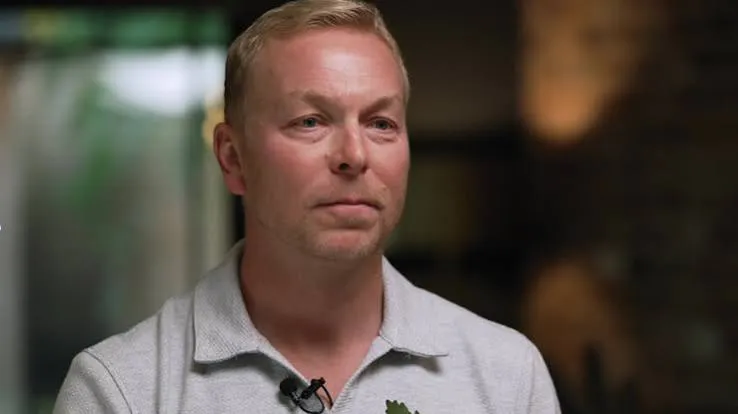
Sir Chris Hoy says prostate cancer screening and risk awareness should not depend on celebrities or cancer survivors speaking publicly about their experiences. Following his own stage 4 diagnosis at 47, Hoy is calling for a more systematic approach that helps men understand their personal risk and make informed decisions about testing. Sir Chris Hoy has become one of the most recognisable voices in the UK's conversation around prostate cancer. The six-time Olympic gold medallist was diagnosed with stage 4 prostate cancer at the age of 47, an experience that has transformed his public work and made prostate cancer screening and early risk awareness central to his campaigning. Speaking to BBC Scotland, Hoy said he felt privileged to have a public platform and would continue using it to raise awareness. However, he argued that encouraging men to think about prostate cancer should not depend on famous individuals such as himself or other high-profile men sharing their experiences. His central message is simple: men need better access to information about their individual risk, rather than waiting until cancer becomes a personal or family crisis.

Aug 25, 20268 min read
Electric Gardening Equipment Is Quietly Transforming the Landscaping Industry
Health

Electric Gardening Equipment Is Quietly Transforming the Landscaping Industry

Landscaping is increasingly moving from petrol-powered machinery to battery-powered equipment as cities introduce restrictions on noisy and polluting garden tools. Electric leaf blowers and other equipment offer quieter operation, lower emissions and potentially lower running costs, but professional landscapers still face challenges around battery life, power, charging infrastructure and the upfront cost of switching.

Aug 25, 20268 min read