In Short (TL;DR)Pine tar, once essential for waterproofing wooden ships and used in traditional Finnish remedies, has become an unusual culinary ingredient in northern Finland. In Oulu, the historic centre of the country’s tar trade, terva now appears in chocolates, bread, ice cream, drinks and savoury dishes, linking modern food culture with the region’s maritime and forest heritage
Finland’s historic pine tar finds a place on the dinner table
A dark, smoky substance once associated primarily with wooden ships and traditional remedies is now finding an unexpected place in Finnish cuisine.
Known locally as terva, pine tar is produced by heating pine wood without oxygen. In the northern Finnish city of Oulu, it has become a distinctive flavour used in products ranging from sweets and chocolate to bread, ice cream, drinks and restaurant dishes.
The ingredient's popularity is closely connected to Oulu's history as a major centre of the international pine tar trade. Today, local chefs and food producers are using the flavour to reconnect contemporary cuisine with Finland's forest culture and maritime past.
Oulu’s long connection with pine tar
Oulu sits on the northern coast of the Gulf of Bothnia, around the delta of the Oulujoki River. The city was an important trading centre from the 15th Century, and by the 1860s it had become the world's largest tar-exporting port.
Pine tar was historically produced by slowly smouldering pine wood in specially constructed tar pits. The finished material was transported by boat to Oulu before being exported.
Its original purpose was largely practical. Tar was used to protect and waterproof wooden sailing vessels, making it an important commodity during the era when wooden ships dominated maritime trade.
The material also developed a reputation for traditional medicinal uses because of its antibacterial properties.
From apothecaries to Finnish sweets
Pine tar's transition from practical product to food flavour began partly through medicinal products.
Historical records indicate that tar-flavoured lozenges were being sold in Finland in the early 20th Century. Oulu newspapers advertised tar sweets as early as 1902, when such products were sold through pharmacies for coughs and respiratory illnesses.
One of the best-known examples is Terva Leijona, or "Tar Lion". The pastilles were introduced in 1933 by Oulu pharmacist YW Jalander, who developed a tar essence and incorporated it into liquorice sweets.
The product remains available today using the original recipe.
Over time, however, pine tar moved beyond medicinal sweets. By the end of the 20th Century, growing interest in regional traditions and heritage foods helped transform terva into a broader culinary flavour.
A smoky ingredient across modern Finnish food
Today, pine tar can be found in a surprisingly wide range of Finnish foods.
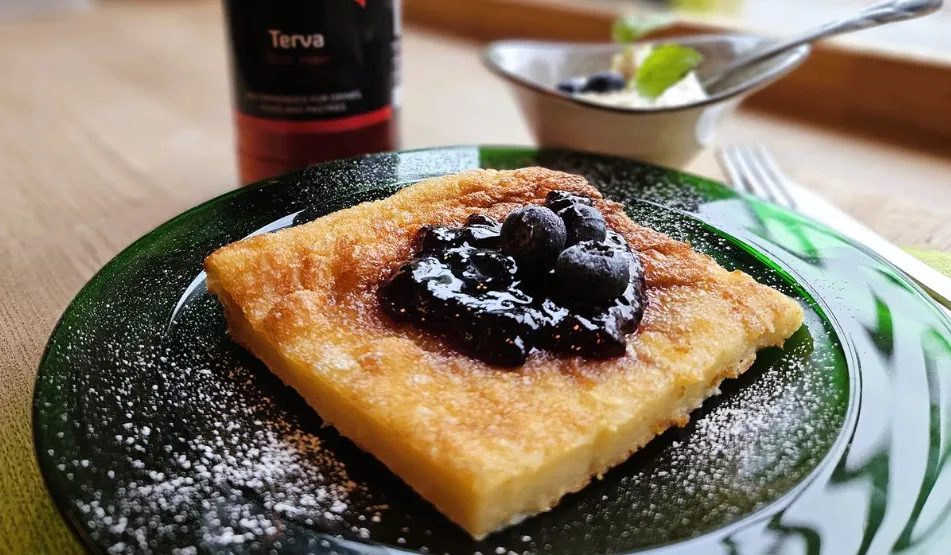
Local producers use it in chocolates, syrups, breads, ice cream and other desserts, while restaurants have experimented with it in savoury dishes.
Matti Moller of the Arctic Food Lab, an initiative focused on northern Finnish food culture, describes the flavour as powerful and says it can be used in both fish dishes and desserts.
The Oulu region remains particularly associated with terva cuisine, with restaurants, bakeries and cafes incorporating it into their menus and products.
At Pekka Heikkinen, a family bakery in Kajaani founded in 1913, pine tar has been incorporated into bread and pastries. Owner Kaisa Marin also associates the smell with her childhood, including sauna traditions and wooden boats.
Chefs are pushing terva beyond tradition
The ingredient is also attracting chefs interested in developing new interpretations of Finnish cuisine.
At Lasaretti, a restaurant in Oulu's Hupisaaret Park, head chef Laurance Robinson has experimented with pine tar in both sweet and savoury dishes. One example combines smoked whitefish with tar pearls, pickled fennel and red onion.
Robinson, originally from the Isle of Man, said his first experience with tar flavour came in Finland in 2011. His later interest in experimenting with the ingredient led him to embrace it as a defining element of his cooking.
His tar-based pavlova won the best dessert award at an Oulu culinary competition.
What does pine tar taste like?
For people unfamiliar with terva, the flavour can be difficult to compare with conventional food ingredients.
It has a pronounced smoky character combined with sweetness and a distinctive medicinal note. In desserts, the flavour can provide a strong contrast to ingredients such as chocolate, berries and vanilla.
Pine tar ice cream is considered one accessible introduction for first-time tasters, while chocolate and cranberry combinations provide another way of balancing its intense flavour.
In savoury cooking, chefs have used the ingredient alongside fish and other foods where its smoky character can contribute depth.
Food as a link to Finnish heritage
The growing use of terva is not simply about creating an unusual taste. For many people in northern Finland, the ingredient represents a connection to local history.
Oulu's identity was shaped for centuries by the pine forests surrounding the region and the international trade in tar. The smell is also associated with saunas, cottages and traditional wooden boats.
Oulu's designation as European Capital of Culture 2026 has brought additional attention to the city's cultural heritage, including its distinctive food traditions.
For today's producers and chefs, pine tar offers a way to bring that history into contemporary food while preserving a flavour strongly associated with the region.
Once primarily valued for protecting ships, terva has developed into something very different: a recognisable Finnish culinary signature that continues to evolve.