In Short (TL;DR)- Humber Teaching NHS Foundation Trust launched the ‘Support at Every Stage’ website for World Mental Health Day on 10 October.
- The site organises mental health support by life stage — from childhood to older age — instead of by clinical service.
- The trust acknowledges NHS services can be difficult to navigate and says the site aims to cut through that confusion.
- The resource, at www.support.humber.nhs.uk, will be expanded as new support options are added.
A new NHS website designed to make mental health support easier to find has been launched in East Yorkshire and northern Lincolnshire, timed to coincide with World Mental Health Day.
Humber Teaching NHS Foundation Trust said its "Support at Every Stage" website brings together mental health support information in one place — but with a twist. Instead of organising services by clinical specialty or provider, the way the NHS usually presents itself, the site is arranged around the stages of life: childhood, adolescence, adulthood and older age, with the kinds of challenges people face at each point.
The trust was candid about why the approach is needed. NHS services can be difficult to navigate, it acknowledged — a familiar complaint for anyone who has tried to work out whether they need their GP, talking therapies, a crisis team or a voluntary-sector service. The new resource, at www.support.humber.nhs.uk, aims to cut through that confusion, and the trust says it will be expanded over time as new support options are added.
The launch was reported by BBC reporter Emma Petrie in East Yorkshire and Lincolnshire, and lands on World Mental Health Day, 10 October — the annual day of awareness organised by the World Federation for Mental Health (see how another NHS trust marked the day) and backed by the World Health Organization. The 2026 theme is "Lived Experiences Heard: Real Voices, Real Change", which calls for people with lived experience of mental health conditions to help shape the services, policies and decisions that affect them.
Anyone who has tried to get mental health help on the NHS knows the maze. Your GP can refer you to talking therapies for mild-to-moderate anxiety or depression; you can also self-refer in many areas. More complex or severe conditions are handled by secondary mental health services. In a crisis there are crisis lines, A&E and NHS 111. Then there are the charities — Mind, Samaritans, local voluntary groups — each with their own helplines and referral routes. For someone already struggling, working out which door to knock on can be a barrier in itself.
That is the problem the Humber trust is trying to solve. Organising support by life stage reflects how people actually experience need: a parent worried about their teenager does not think in terms of "CAMHS tier 3"; a new parent experiencing low mood does not search for "perinatal mental health pathway". They search for help that matches their situation, and a life-stage layout meets them where they are.
The design choice also reflects a broader shift in the NHS towards person-centred navigation — presenting services the way patients think, rather than the way commissioners organise them. Digital tools have become central to that effort, with NHS websites, self-referral portals and online directories increasingly acting as the front door.
Humber Teaching NHS Foundation Trust provides health and social care to a population of almost 800,000 people across Hull, the East Riding of Yorkshire, North Yorkshire, North Lincolnshire and North East Lincolnshire. Its services include community and therapy services, mental health services in both community and inpatient settings, learning disability services, healthy-lifestyle support and addiction services, and it manages eight GP practices.
The trust has form in this area. In recent years it has launched initiatives such as the Social Mediation and Self-Help (SMASH) service, designed to equip young people with emotional and behavioural self-management skills, and it has won national design awards for Inspire, its mental health inpatient unit in Hull, which opened in 2020. The new website extends that trajectory from buildings and clinical programmes into digital access.
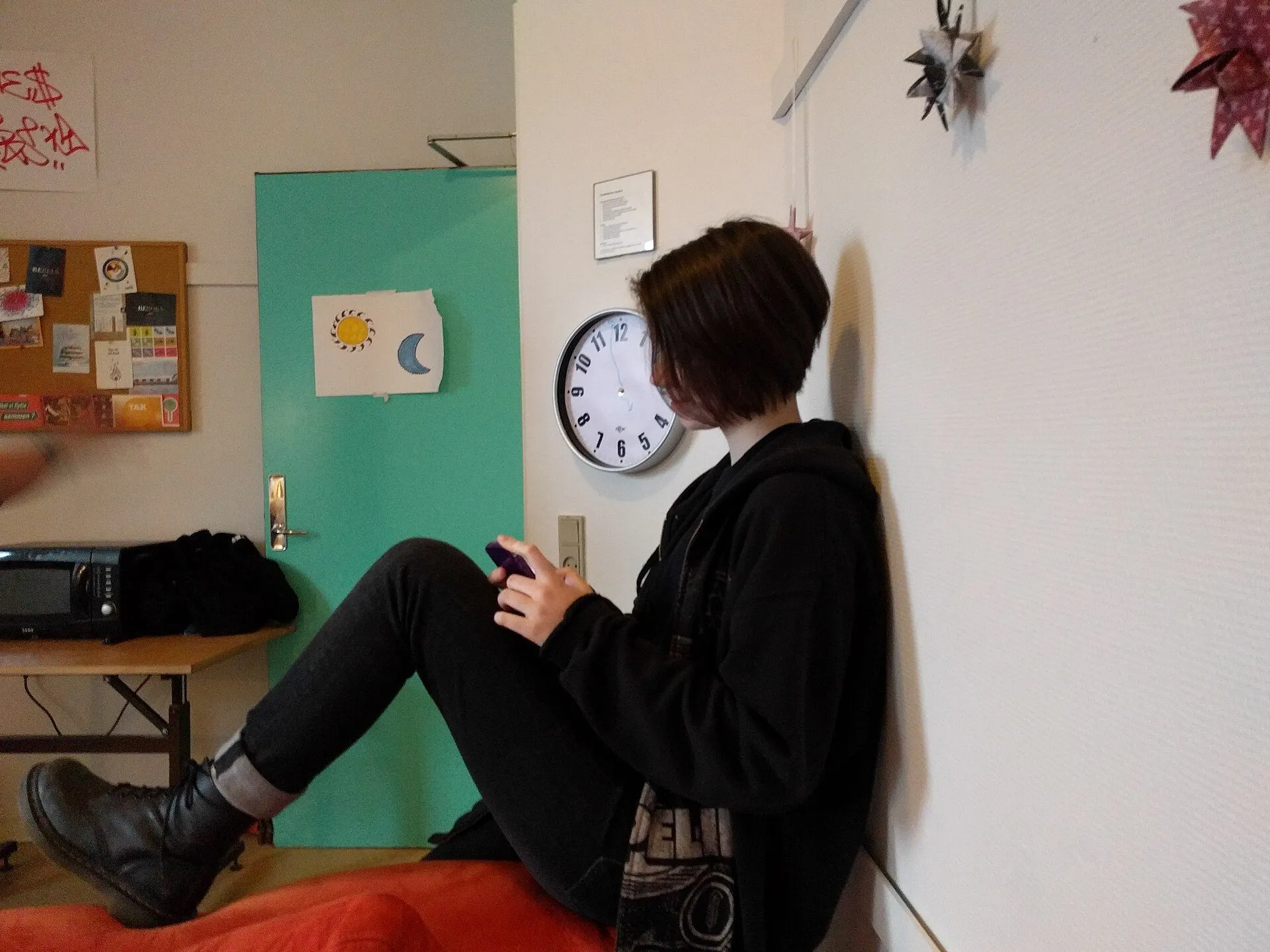
!People taking part in a mental-health awareness action day
Image: Clemens Nitsche / Wikimedia Commons (CC BY-SA 4.0)
The launch comes at a time when demand for mental health support in England is at record levels. NHS figures routinely show hundreds of thousands of people waiting for psychological therapies, and waiting lists for children and young people's services have been a particular pressure point — at a time when research warns of new digital risks facing teenagers. Charities have warned that too many people fall through the cracks between services — referred on, waiting, and eventually disengaged.
Better signposting will not, on its own, shorten a waiting list. But clinicians and researchers increasingly argue that navigation is part of the care pathway: people who cannot find the right service early tend to present later, in crisis, at greater cost to themselves and the system. A website organised around life stages is a small but meaningful attempt to bring the front door closer to the people knocking on it.
The trust's own acknowledgement that services can be difficult to navigate is also notable. NHS organisations do not always admit, publicly, that their structures confuse the public. Doing so here gives the website a clear job: not to add another layer, but to make the existing ones legible.
While the trust has said the resource will grow, the launch version gathers support information across the life course — from early-years and parenting support, through school-age and young people's services, to adult talking therapies, perinatal support, and services for older adults including dementia-related help. Emergency and crisis contacts are given prominence, as they are across NHS digital services.
Crucially, the site does not only list NHS provision. Voluntary and community organisations — the Mind branches, peer-support groups and local charities that carry much of the load in community mental health — are part of the picture, reflecting the reality that the NHS is only one part of the support ecosystem.
The website's success will ultimately be measured not in page views but in whether people who would previously have given up, called the wrong number or waited for a GP appointment instead find help faster. The trust says the resource will be expanded with new support options, which suggests an editorial commitment beyond the launch-day announcement — important, because NHS websites have a habit of going stale.
For now, the message to residents of Hull, the East Riding and northern Lincolnshire is simple: if you are struggling, or worried about someone who is, start at the site, find your stage of life, and see what is available. And for anyone in crisis, the standing advice remains — call NHS 111, contact the Samaritans on 116 123, or dial 999 in an emergency.
*More health news at Verity.*
---