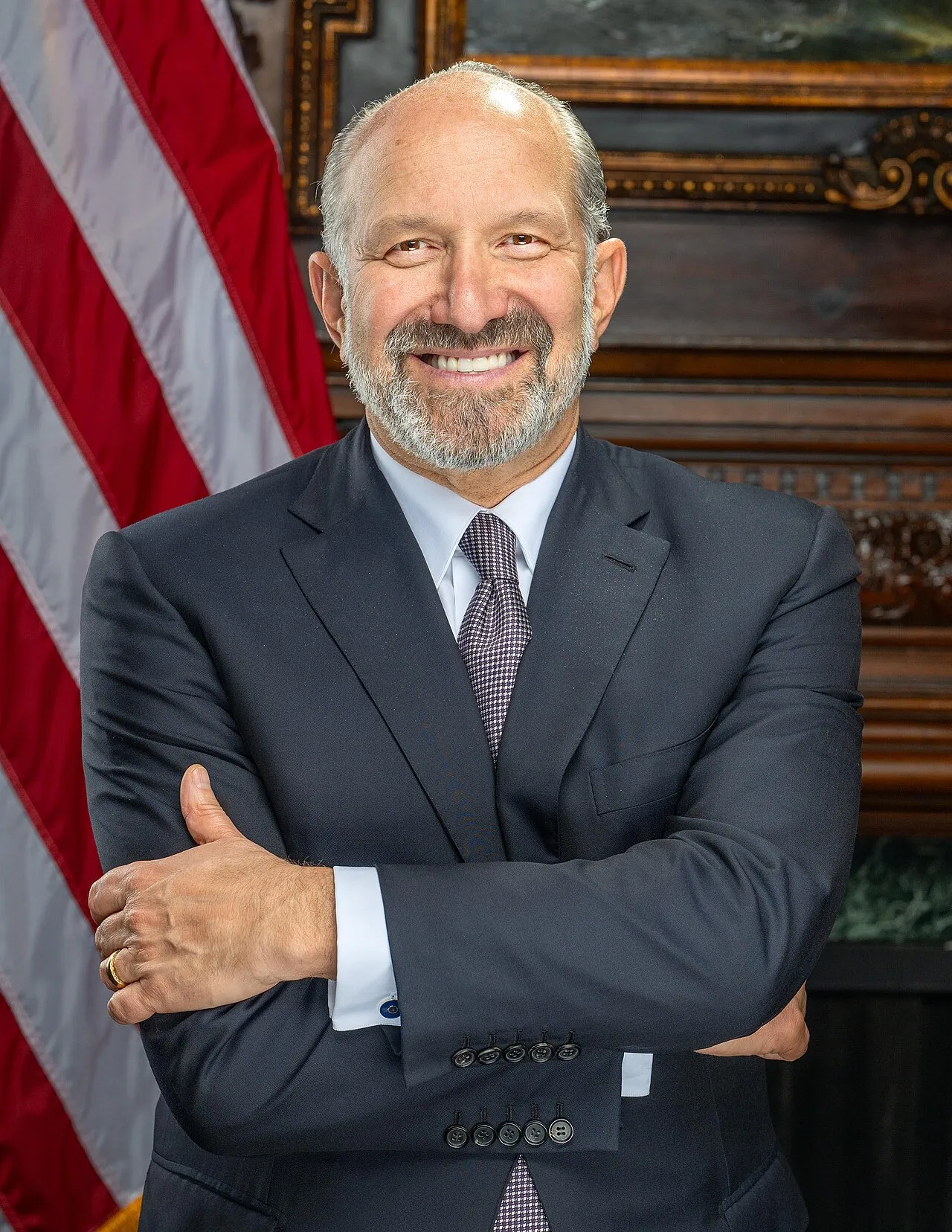
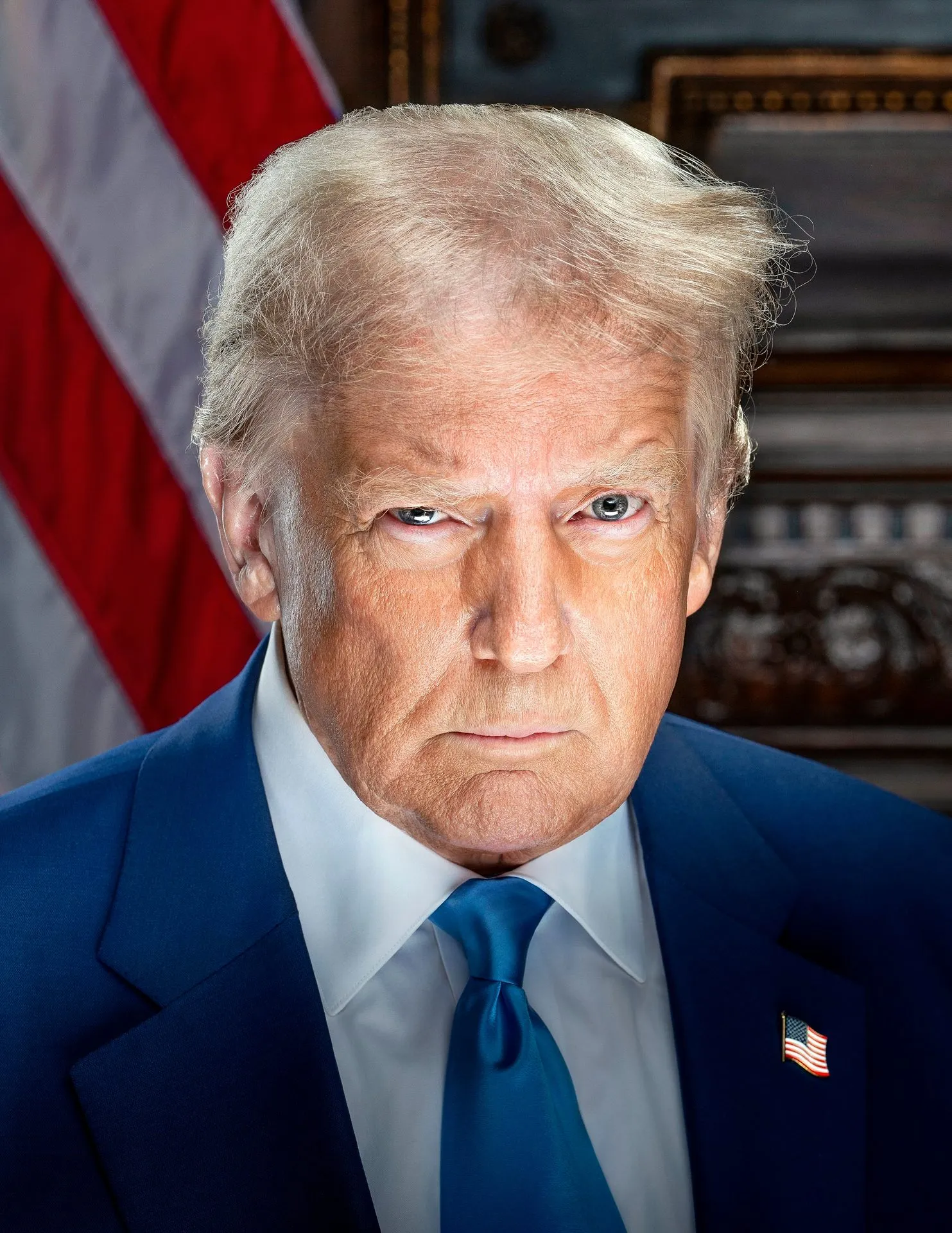
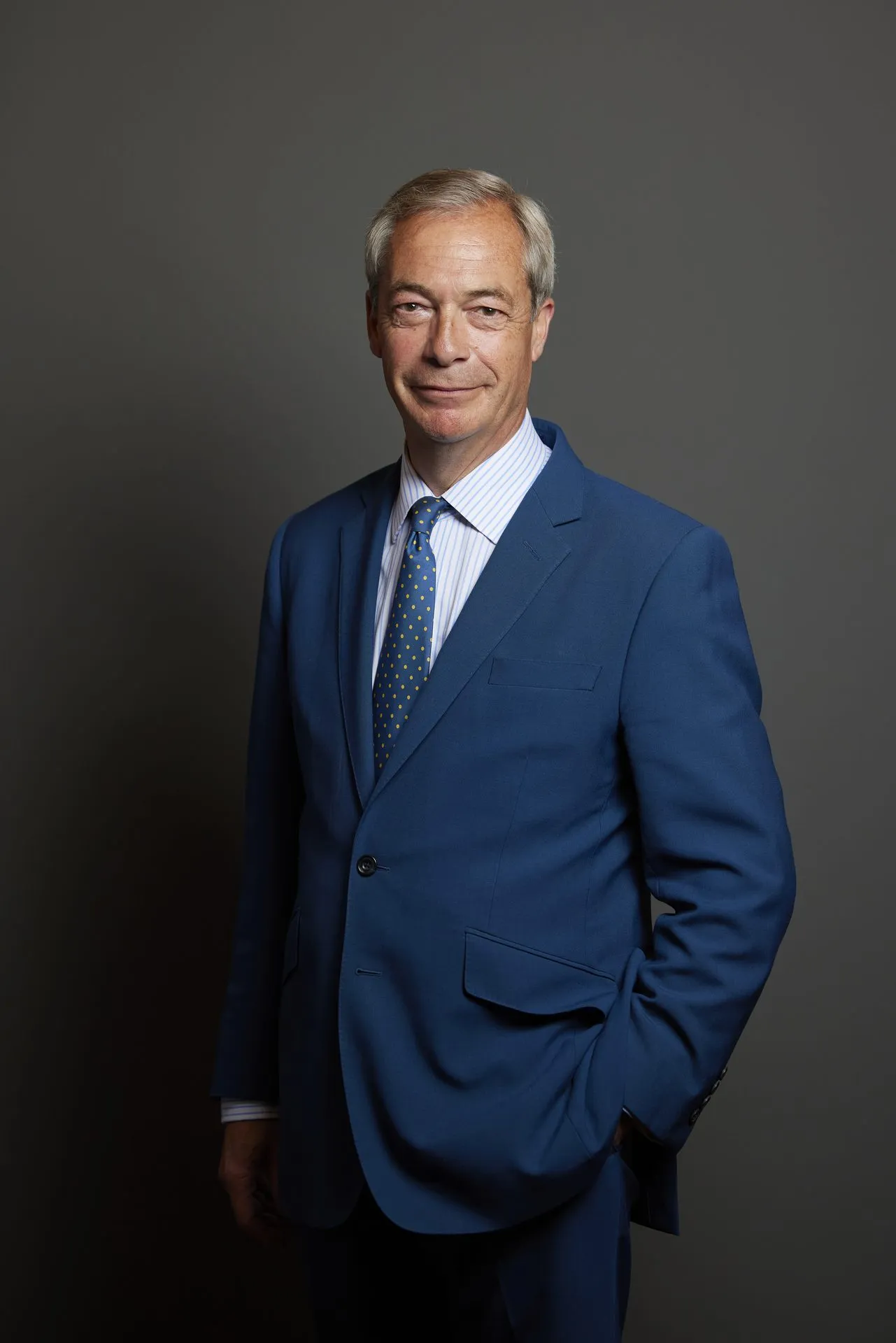
In Short (TL;DR)Simon Andriesz, a former senior employee of BGC Partners who uncovered evidence of business links between US Commerce Secretary Howard Lutnick and Jeffrey Epstein, has died in Thailand at the age of 57; his family says he took his own life on 23 September. Earlier this year he raised concerns with the Financial Conduct Authority, the FBI and other watchdogs, but the FCA initially told him there was "insufficient evidence" and later took only limited action. A group of MPs led by Labour's John McDonnell has now called for an independent investigation into how the regulator handled his case, describing his death as a "profound and preventable tragedy". The FCA has acknowledged it wrongly advised Andriesz about his whistleblower protections and has appointed a new reviewer to examine the case.
The death of a British whistleblower in Thailand last month has triggered demands in Parliament for a formal investigation into how Britain's financial watchdog treats those who speak out. Simon Andriesz, a former senior employee of BGC Partners who exposed evidence of business links between US Commerce Secretary Howard Lutnick and Jeffrey Epstein, died at the age of 57. His family has said he took his own life on 23 September, and there is no suggestion of foul play.
The All-Party Parliamentary Group on Investment Fraud said the case raises "deeply troubling questions" about the treatment of whistleblowers by the Financial Conduct Authority (FCA), the City regulator, and called for the watchdog to fund an independent evaluation of its conduct. Read more on UK parliamentary affairs in our Politics section.
The story touches two governments at once: a British regulator's handling of a whistleblower, and the credibility of public statements made by one of the most senior officials in the Trump administration. Andriesz's allegations cast doubt on what Lutnick had said publicly about the nature and timing of his dealings with Epstein — a subject of intense political sensitivity in the United States, where pressure has been building over what officials knew about the late financier's network. Read our coverage of Trump's administration and transatlantic relations.
Andriesz was not an outsider to the world he exposed. He had been a managing director at BGC Group, the Wall Street brokerage founded and formerly led by Lutnick as chief executive before his appointment to the Trump administration. His knowledge of the firm's inner workings gave him an edge when he turned investigator: he knew that senior bosses routinely signed internal emails with their initials.
Working through the enormous trove of Epstein-related files released in the United States, Andriesz searched for "HWL" — Howard Lutnick's initials. He told the BBC in July that this technique led him to a 2018 email chain that appeared to show Lutnick and Epstein discussing Adfin, a digital advertising start-up in which both men were investors. The exchange took place a full decade after Epstein pleaded guilty in 2008 to soliciting prostitution from a minor — a conviction that ought, in any normal world, to have ended any respectable business relationship.
According to the BBC's original reporting, Andriesz also uncovered evidence that Lutnick had sought, in his words, to "buy a prince" — proposing in 2013 to go into business with Andrew Mountbatten-Windsor, trading a £1 million loan for the former prince's contacts and their power to attract investment. BGC told the BBC that the proposed joint venture never went ahead. The firm has consistently denied any retaliation against whistleblowers, as noted in The Times' coverage of the MPs' demands.
The picture that emerges from Andriesz's work is of a financier who spoke up when he believed he had found serious wrongdoing — and then spent years knocking on the doors of regulators asking them to listen. As John McDonnell, the Labour MP for Hayes and Harlington who chairs the MPs' group, put it: "Simon believed he had done what society asks of responsible citizens and professionals: he spoke up when he believed he had encountered serious wrongdoing."
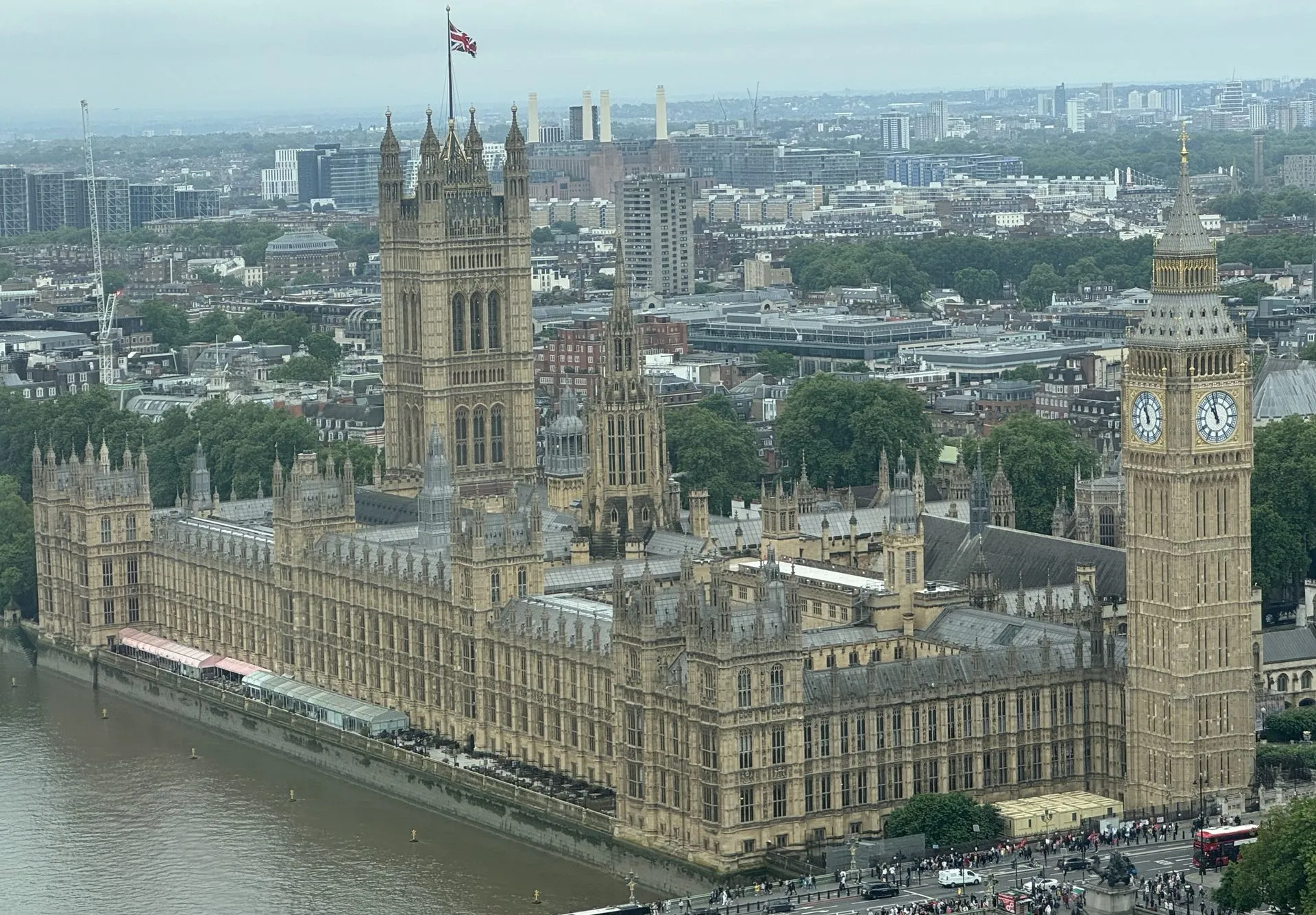
!Palace of Westminster at sunset
The Palace of Westminster, where the All-Party Parliamentary Group on Investment Fraud has called for an inquiry into the FCA's handling of the whistleblower's case. (The wub / Wikimedia Commons, CC BY-SA 4.0)
Earlier this year, Andriesz raised his concerns not only with the FCA but also with the FBI and other watchdogs. The response he received from the British regulator is now the central focus of the MPs' demands. Initially, the FCA told him there was "insufficient evidence" to pursue his allegations of misconduct at Lutnick's former firm — including a claim that cash from the pool of commission money set aside to pay brokers' bonuses had been "embezzled" for improper purposes, an allegation the firm has denied.
In July, the FCA said it had taken action through a supervision order — a regulatory step short of formal enforcement. Andriesz called it a "slap on the wrist". The regulator later acknowledged something more damaging: it had been wrong to advise Andriesz that he had lost whistleblower protection because his identity had become known. That error, admitted after the fact, goes to the heart of why whistleblowers fear coming forward at all.
The FCA has now appointed a new non-executive director, former Bank of England official Lea Paterson, to examine how it handled the case. But MPs argue that an internal review by the regulator's own appointee is not enough. See our recent coverage of UK financial and regulatory politics.
The intervention by the All-Party Parliamentary Group on Investment Fraud gives the story parliamentary weight. McDonnell said Andriesz's death was a "profound and preventable tragedy", and that his thoughts were with the family, friends and supporters of the whistleblower. He continued: "Simon then spent years asking the regulator to listen to his concerns and help protect him and his family from what he believed was retaliation."
The MPs' statement framed the issue as bigger than one man's case: it raises questions about what happens to anyone who approaches the FCA with allegations of wrongdoing and then faces what they believe is retaliation. The group has called for the regulator to fund an independent evaluation — in other words, an inquiry paid for by the FCA but run independently of it.
The demands come at a moment when public confidence in financial regulation is under scrutiny across the West. Whistleblowers are often described as the financial system's early-warning mechanism, yet the incentives to stay silent remain overwhelming. Recent political debates in Britain have repeatedly returned to questions of institutional accountability.
The FCA now faces pressure on two fronts: the parliamentary demand for an independent investigation, and the internal review by Paterson, whose findings will be watched closely. Andriesz's family has not suggested any foul play in his death, and the MPs' call is directed squarely at the regulatory treatment he received while alive, not at the circumstances of his death.
For Lutnick, the episode adds to the unresolved questions around his relationship with Epstein. The Commerce Secretary has faced sustained scrutiny in Washington over the extent of his dealings with the financier, and Andriesz's documentary evidence — found, painstakingly, in the released files — remains on the public record regardless of what happens to the FCA inquiry. His official biography is maintained by the US Department of Commerce.
The broader lesson, MPs argue, is about the machinery of accountability itself. A regulator that tells a whistleblower there is insufficient evidence, offers only a supervision order, and wrongly strips him of his protected status is a regulator that risks teaching every future whistleblower to stay silent. Whether the FCA funds the independent evaluation MPs want will be the first test of whether that lesson has been learned. Follow this story and more in our Politics coverage.