The pledge
The man chosen to lead English football's new independent regulator has issued the bluntest possible defence of his office: compromise its independence, and he walks — BBC Sport has the full details of his pledge and the City case behind it. The pledge — that he will quit if the body's autonomy is ever undermined — lands at a moment of maximum sensitivity for the game, as the aftershocks of last month's seismic verdict on Manchester City's Premier League charges continue to reverberate.
It is a red line drawn in bold, and its timing is no accident. English football is living through the most consequential governance reckoning in its modern history, and the credibility of the new regulatory era will be judged in large part by how institutions handle the fallout from a case that has already produced findings of dishonesty at the very top of one of the world's richest clubs.
The 42-day hearing and the September verdict
The story begins with a process of extraordinary scale. In 2024, an independent commission convened to examine the Premier League's charges against Manchester City, sitting for 42 days — a marathon of evidence, argument and cross-examination that dwarfed anything English football's disciplinary machinery had previously attempted.
Last month, the verdict finally arrived, and its scale matched the process. City were found guilty on all charges except one: the single exception related to non-cooperation with the Premier League's investigation. On every substantive count the league had brought, the commission sided against the club.
The outcome sent shockwaves far beyond the Etihad Stadium. Whatever one's view of the underlying allegations — the specifics of which the commission examined in exhaustive detail — a guilty verdict against the dominant club of the modern Premier League era is a landmark in the competition's history. It raised immediate questions about accountability, about the adequacy of the league's own rulebook, and about what meaningful enforcement looks like when the stakes run into the hundreds of millions. For the wider context of a turbulent season in English football, see our sports coverage, including Arsenal's comeback win over Chelsea.
'False evidence': the commission's starkest finding
If the verdict itself was dramatic, one passage of the commission's report was incendiary. The panel found that several important club witnesses had given false evidence in key respects — and that some had done so knowingly, delivering testimony that was untrue and dishonest.
Findings of deliberate dishonesty against witnesses in a sporting tribunal are vanishingly rare, and the language used was unsparing. It transformed the case from a dispute about rules and accounting into something more corrosive: a judgment on the culture of truthfulness at the summit of the English game.
The implications reach beyond a single club. Every governance system — in football or anywhere else — depends on the integrity of the evidence put before it. A commission that concludes it was actively misled is a commission whose authority has been directly challenged, and the finding colours everything that follows: the credibility of future defences, the trust between clubs and regulators, and the willingness of the authorities to pursue complex cases to their conclusion.
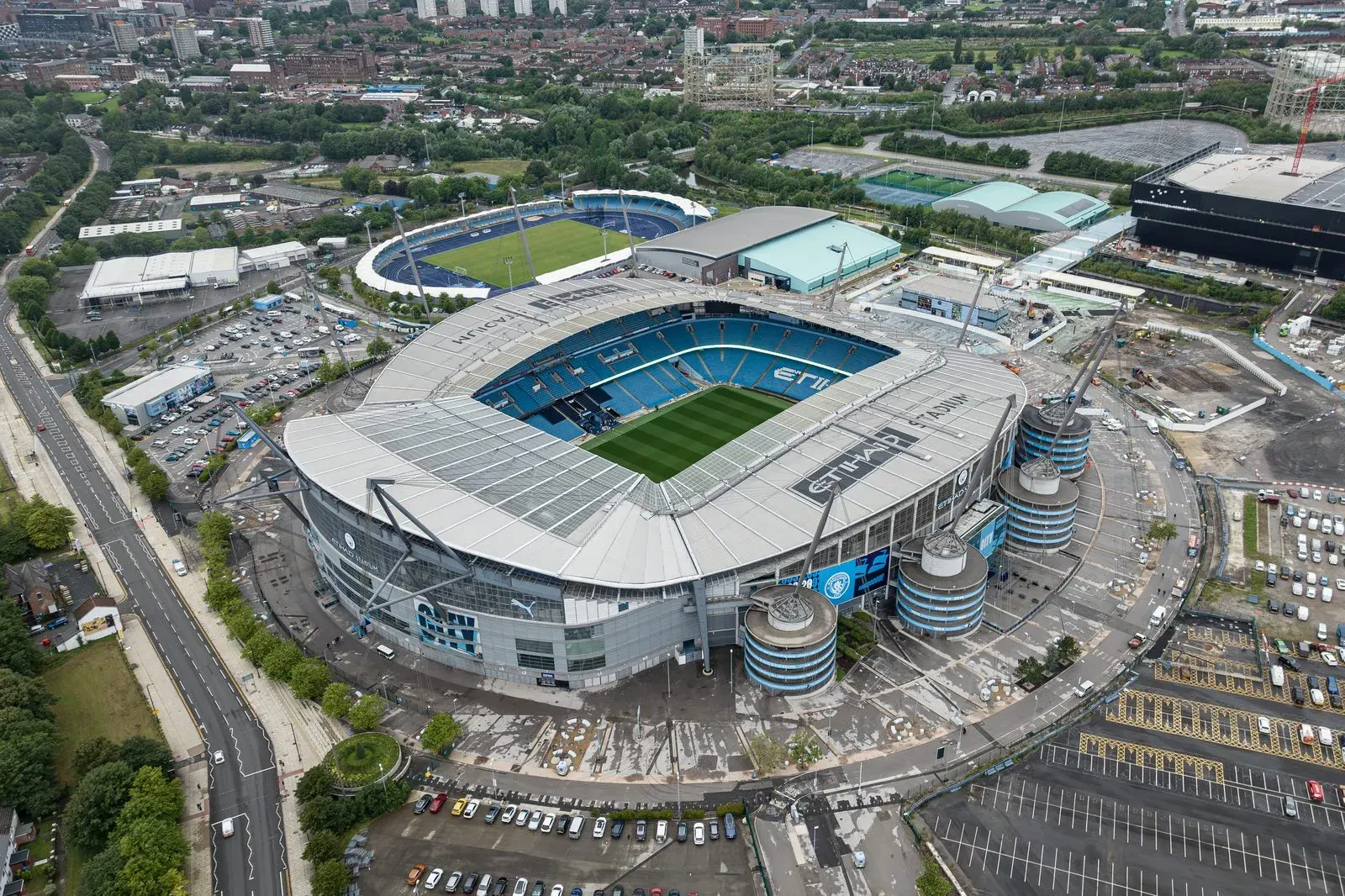
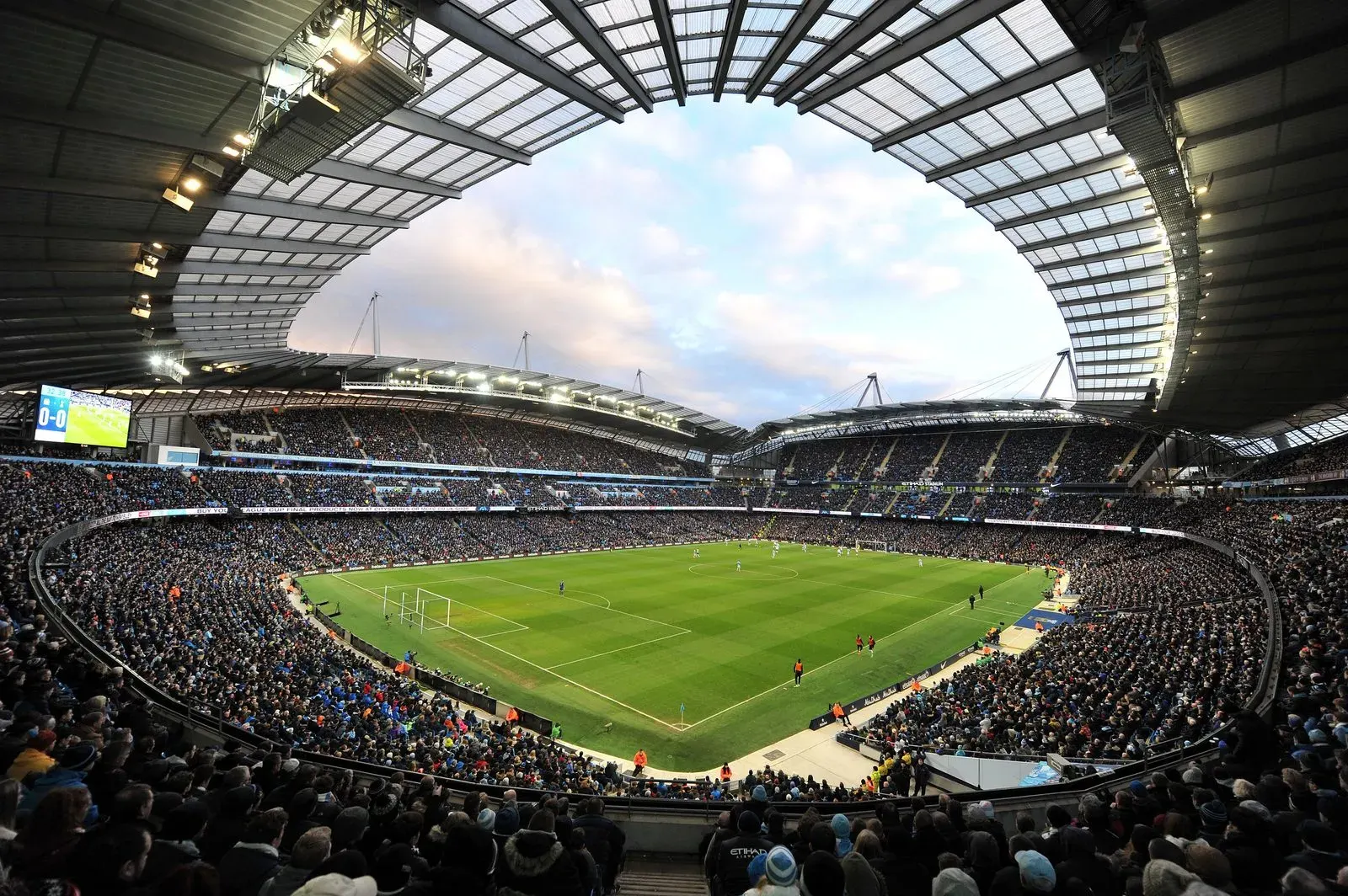
The City of Manchester Stadium, home of Manchester City
Arne Müseler, cropped by Blackcat, Wikimedia Commons (CC BY-SA 3.0 de)
The regulator draws his red line
It is against this backdrop that the incoming regulator's vow carries such weight. The Independent Football Regulator — the new statutory body created to police the financial sustainability and governance of English clubs — is still establishing its authority. Its first leader knows that perception will shape reality: if clubs, supporters or politicians come to believe the regulator can be leaned on, its power evaporates regardless of what the statute books say.
By stating plainly that he would resign rather than preside over a compromised body, he has done two things at once. He has reassured a sceptical public that the office will not be a paper tiger, and he has raised the political cost of any future attempt to interfere — ministerial or otherwise — since such an attempt would now trigger the most public of resignations.
The pledge also speaks to the peculiar pressures of regulating football. The game's wealth, its cultural centrality and its political sensitivity make its regulator unlike almost any other: every major decision will be contested in the media, in parliament and in the courts. Independence, in that environment, is not an abstract virtue but the precondition for doing the job at all. The government's football governance framework is set out on gov.uk, while the Premier League's own rules and statements remain central to the ongoing story.
Why independence is the whole ball game
Sceptics will note that bold promises are easy before the first real test. The history of football governance is littered with reforms that began with fanfare and ended in capture — bodies that were supposed to stand apart from the interests they policed, only to be absorbed by them.
The City case is precisely the kind of test that sorts genuine independence from the performative kind. It involves the league's most successful and best-resourced club, findings of dishonesty, and sums of money that dwarf the budgets of the institutions passing judgment. How the various authorities — the league, the commission system and now the statutory regulator — conduct themselves in its aftermath will be watched across world football.
There is also a structural point. The regulator's remit covers financial sustainability and club governance across the English pyramid, from the Premier League to the lower leagues. Its credibility with a struggling League Two club depends on the perception that the same rules apply at the top. A regulator seen to bend for the powerful would lose the dressing room of the entire pyramid overnight.
A note of caution
Amid the intensity of the debate, one caution is worth stating clearly — and it is a caution that applies to coverage of this saga as much as to the governance itself. General observations about types of club ownership, however strongly held, should not be applied wholesale to one particular case. The commission's findings concern the specific evidence and the specific charges before it; extrapolating from them into sweeping claims about ownership models is precisely the kind of reasoning that fair process is designed to prevent.
That discipline matters for the regulator too. Independence means independence from narratives as well as from interests — the willingness to judge each case on its evidence, even when the court of public opinion has already delivered its verdict.
English football's new era, under examination
What is beyond doubt is that the game has entered uncharted territory. A 42-day hearing, a guilty verdict on all but one charge, formal findings of dishonest testimony, and now a regulator staking his tenure on his own independence: these are not the markers of business as usual.
For supporters, the questions are practical as well as principled. What does accountability look like when the guilty party is also the team that has defined an era? Can a new regulator, however steely its first office-holder, truly stand apart from the wealth and influence concentrated at the top of the game? And will the culture of candour that the commission found so wanting begin to change?
The regulator has given his answer to the first test of his character: compromise me, and I quit. Elsewhere in the modern game, Sir David Beckham's business empire illustrates the vast money flows the new watchdog must police — and our homepage carries the latest across every section as this story develops. It is a striking opening gambit — and, as the City fallout continues to unfold across our sports pages and beyond, the whole of English football will be watching whether the independence he promises survives contact with the interests it is meant to restrain. The Football Association and the club's official site at mancity.com will remain essential reading as the story develops.