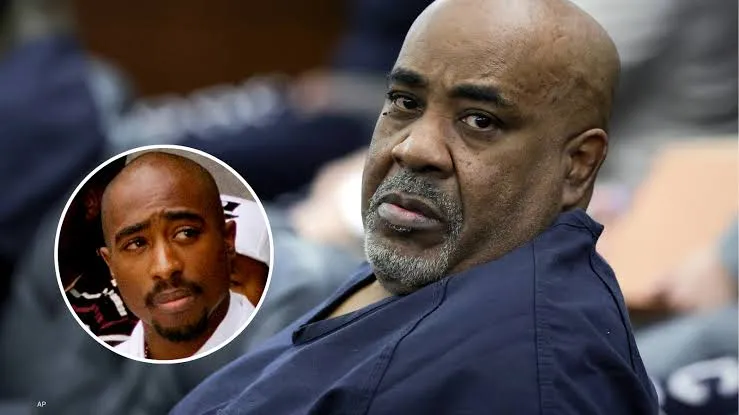
Decades-Long Shadow Lifts: Ex-Gang Boss Convicted in Tupac Shakur’s 1996 Murder
In a landmark legal development nearly three decades after one of music’s most profound tragedies, Duane “Keffe D” Davis, identified as an former gang boss, has been convicted for orchestrating the 1996 drive-by murder of rap icon Tupac Shakur. This long-awaited verdict marks a pivotal moment in a cold case that has captivated the world for generations, offering a significant step towards justice for the superstar whose life was cut short.
The conviction of Davis closes a chapter in a narrative steeped in mystery, speculation, and the enduring pain of an unresolved crime. For nearly 30 years, the death of Tupac Shakur has not only been a defining moment in hip-hop history but also a persistent symbol of unresolved urban violence, leaving an indelible mark on popular culture and the pursuit of justice.
The conviction of Duane “Keffe D” Davis represents a seismic shift in the narrative surrounding the 1996 assassination of Tupac Shakur. Davis, characterized as a former gang leader, was found guilty of orchestrating the drive-by shooting that claimed the life of the influential rapper in Las Vegas. This legal breakthrough, occurring over a quarter-century after the seminal event, signifies a monumental triumph for investigators who have relentlessly pursued leads and for a public that has long yearned for answers.
The journey to this conviction has been fraught with challenges, marked by periods of intense public scrutiny, numerous theories, and the frustrating absence of arrests. For decades, the case remained a cold file, fueling documentaries, books, and endless discussions among fans and true-crime enthusiasts. Davis’s conviction brings a concrete legal resolution to a crime that has for too long existed in the realm of conjecture and rumor. His role as an alleged orchestrator suggests a deeper conspiracy behind the fatal shooting, moving beyond the immediate trigger-puller to the masterminds who planned and facilitated the act. This development is not merely about identifying a perpetrator; it’s about unraveling the complex web of circumstances and motivations that led to the death of one of music’s most revered figures. The significance of this conviction resonates beyond the courtroom, touching upon themes of delayed justice, the persistence of law enforcement, and the enduring impact of gang-related violence on communities and culture.
Tupac Amaru Shakur remains one of the most iconic and influential figures in music history, a rap superstar whose impact transcended genre to touch global audiences. Born in New York City in 1971, Tupac’s life was a whirlwind of artistic brilliance, social commentary, and personal turmoil, all of which fueled his prolific output and magnetic persona. His music was a raw, unfiltered reflection of the black experience in America, tackling themes of poverty, systemic racism, police brutality, gang violence, and the struggle for survival with unparalleled eloquence and urgency. Albums like Me Against the World and All Eyez on Me not only dominated charts but also provided a soundtrack for a generation grappling with profound societal issues.
Tupac’s lyrical prowess was matched by his charismatic presence and theatrical flair, honed through early training at the Baltimore School for the Arts. He was more than a rapper; he was a poet, an activist, and a controversial public figure whose every word and action seemed to ripple through culture. His ability to articulate both vulnerability and defiance, hope and despair, allowed him to connect with millions across diverse backgrounds. Even nearly three decades after his passing, his words continue to resonate, inspiring new generations of artists and activists. The enduring power of his legacy is evident in his posthumous album sales, the countless tributes, and the ongoing academic and cultural analyses of his work. His untimely death left a void that hip-hop has arguably never fully recovered from, transforming him into a martyr and a symbol of unfulfilled potential, a prophet whose warnings about societal ills tragically mirrored his own fate. Tupac's cultural influence continues to be a subject of deep study and admiration, cementing his place as a timeless icon.
The night of September 7, 1996, in Las Vegas, Nevada, began with an air of celebration that quickly devolved into tragedy. Tupac Shakur, accompanied by Death Row Records CEO Suge Knight, had attended a Mike Tyson boxing match at the MGM Grand. Following a post-fight altercation in the hotel lobby, the pair departed in a black BMW sedan, heading towards Knight’s Club 662. It was at a red light on East Flamingo Road, near the Las Vegas Strip, that a white Cadillac pulled alongside their vehicle. Shots erupted from the Cadillac, striking Tupac multiple times. He was rushed to the University Medical Center of Southern Nevada, where he succumbed to his injuries six days later, on September 13, 1996, at the age of 25.
The immediate aftermath was chaotic, marked by a frantic police response and a lack of clear leads. Despite numerous witnesses and the high-profile nature of the victim, the case quickly grew cold, becoming one of the most enduring unsolved mysteries in modern criminal history. For years, the investigation was plagued by a myriad of challenges: conflicting witness statements, a perceived reluctance of individuals with information to cooperate with authorities, and the complex, often dangerous, world of gang affiliations and rivalries that characterized the West Coast hip-hop scene at the time. The absence of a definitive arrest fueled rampant speculation, with theories ranging from rival gang involvement to conspiracies implicating figures within the music industry. The case became a touchstone for discussions about justice, celebrity, and the pervasive influence of gang culture, transforming Tupac’s death into a global enigma that seemed destined to remain unsolved. The prolonged silence from authorities only intensified the public’s fascination and frustration, making the recent conviction of Duane “Keffe D” Davis an extraordinary development in a saga that has spanned nearly three decades.
Tupac Shakur’s murder occurred at the zenith of the infamous East Coast-West Coast hip-hop rivalry, a period of intense artistic, commercial, and often violent competition that profoundly shaped the genre in the 1990s. This rivalry was more than just a musical feud; it was a cultural flashpoint, fueled by geographical pride, record label allegiances, and personal animosities that escalated into public confrontations and, ultimately, tragic loss. On the West Coast, Death Row Records, led by the formidable Suge Knight and featuring artists like Tupac and Dr. Dre, embodied a hard-hitting, G-funk sound that dominated airwaves. Across the country, Bad Boy Records, spearheaded by Sean “Diddy” Combs, championed a smoother, more commercially polished sound, with its flagship artist, The Notorious B.I.G., becoming a formidable rival to Tupac.
The rivalry intensified through diss tracks and public insults, creating a volatile atmosphere where artistic expression blurred with genuine animosity. Key incidents, such as the 1994 shooting of Tupac in New York and his subsequent accusations against Combs and The Notorious B.I.G., ratcheted up tensions to dangerous levels. The media, eager for sensational headlines, often fanned the flames, portraying the conflict as a gladiatorial battle for hip-hop supremacy. This environment of heightened aggression and perceived betrayal created fertile ground for violence, where personal disputes could quickly escalate with devastating consequences. The drive-by shooting that claimed Tupac’s life was, in many ways, the tragic culmination of this dangerous rivalry, a stark illustration of how creative competition could spill over into real-world violence. The shadow of this era continues to loom large over hip-hop, serving as a cautionary tale about the destructive power of unchecked animosity and the profound losses that can result from cultural divides. The conviction of Davis now adds a critical piece to the puzzle, shedding light on the criminal elements that exploited these tensions.
The conviction of Duane “Keffe D” Davis carries profound implications, extending far beyond the confines of a single courtroom. For the legal system, it represents a remarkable achievement in pursuing justice for a cold case that seemed destined to remain unsolved. It underscores the unwavering dedication of law enforcement and prosecutors who, for nearly three decades, refused to abandon the pursuit of truth. This outcome could serve as a powerful precedent, inspiring renewed efforts in other long-dormant cases and sending a clear message that time does not diminish accountability for heinous crimes. The challenges of prosecuting a case after so many years – including faded memories, lost evidence, and the potential unavailability of witnesses – make this conviction particularly significant, highlighting the triumph of meticulous investigative work and strategic legal maneuvering.
Emotionally, the verdict offers a measure of closure for Tupac Shakur’s family, friends, and legions of fans worldwide. For nearly 30 years, they have lived with the agonizing uncertainty of who was truly responsible for his death. While no legal outcome can ever truly heal the wound of such a loss, knowing that a key orchestrator has been held accountable can provide a sense of peace and vindication. However, the concept of “true closure” remains complex. While Davis has been convicted for orchestrating the murder, questions may persist about the full extent of the conspiracy, including the identities of other potential accomplices or the broader motivations that fueled the crime. The public's long-standing fascination with the case, fueled by its historical context within the East Coast-West Coast rivalry, means that while one chapter closes, the broader narrative of Tupac’s life and death will continue to be debated and analyzed.
Globally, Tupac Shakur’s music and message continue to resonate, making this conviction a news story of international significance. His themes of social injustice, resilience, and the struggle for dignity transcend geographical boundaries, influencing artists and activists from every corner of the globe. The resolution of his murder case sends a message about the global reach of justice, even for crimes committed decades ago. It reminds us of the enduring power of his art and the tragic circumstances that cut short a life brimming with potential. This legal development ensures that Tupac’s legacy will now include not only his indelible musical contributions but also the long, arduous, and ultimately successful pursuit of justice for his untimely demise.
In conclusion, the conviction of Duane “Keffe D” Davis is a momentous occasion, a testament to perseverance in the face of daunting odds. It brings a long-awaited answer to one of music’s most enduring questions, offering a critical piece of the puzzle in the tragic saga of Tupac Shakur. While the wounds of the past may never fully heal, this verdict stands as a powerful testament to the unwavering commitment to justice, even after nearly three decades.