In Short (TL;DR)- The BBC News channel began streaming live around the clock on YouTube in the UK and US on 15 October 2026, initially as a trial.
- The move extends an existing rollout covering Australia, Kenya, Nigeria and Poland, aimed at reaching new and younger viewers on platforms they already use.
- YouTube UK chief Alison Lomax said global news consumption on the platform topped 18 billion hours in the first half of 2026.
- Rivals including Sky News, GB News and Talk already stream live news on YouTube; the BBC must now compete for attention in an open feed.
- The launch lands amid a wider fight over whether platforms should give public-service news algorithmic prominence.
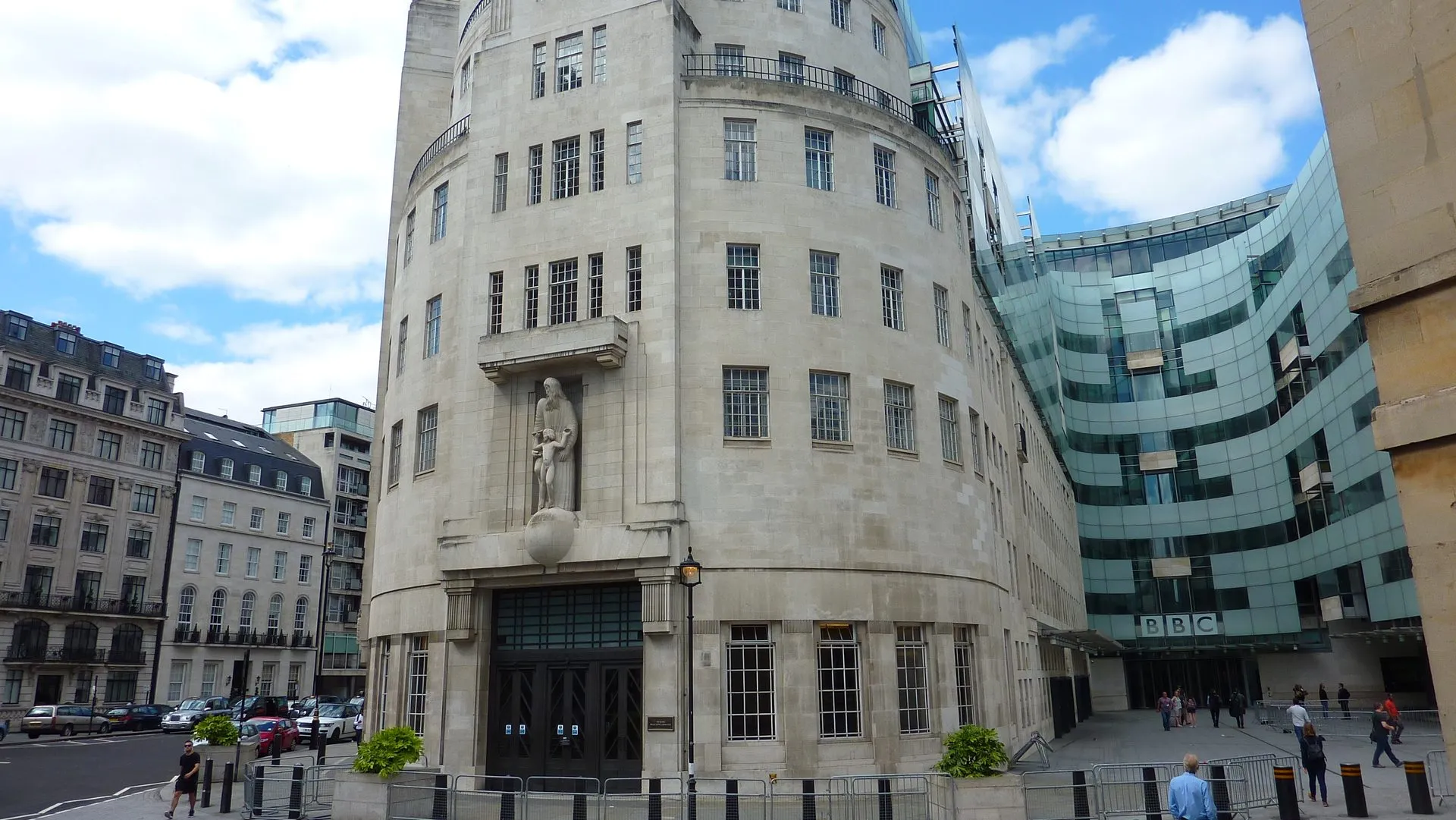
The BBC has put its rolling news channel where a huge and growing share of news viewing now happens: YouTube. From 15 October 2026, the BBC News channel is streaming live, around the clock, on YouTube in the UK and the United States — initially as a trial that could extend to further countries.
The stream carries the channel's full mix of domestic and international news, politics, business, technology, culture and breaking stories, powered by the BBC's global network of journalists and correspondents. In the UK it sits alongside the existing BBC iPlayer, website and app distribution; in the US it joins a patchwork that includes cable, free ad-supported streaming TV (FAST) and connected-TV platforms, plus BBC.com and the BBC app. The UK and US rollouts follow earlier YouTube launches in Australia, Kenya, Nigeria and Poland, and reports suggest viewers in those markets will see the live feed extended in the coming days.
For the BBC, the logic is straightforward. "Audiences increasingly expect news to be available wherever they are, on the platforms they use throughout their day," said Anjali Kapoor, the BBC's Director of AI, Innovation and Growth for BBC News. "Launching the BBC News channel on YouTube in the UK and US is an important step in bringing our trusted journalism to even more people. It will make it easier for audiences to access live coverage of the stories shaping our world, while helping us reach new audiences in the places and at the times that work best for them."
YouTube's UK managing director, Alison Lomax, called the launch "an incredible milestone", noting that viewers across the UK, US, Australia, Kenya, Nigeria and Poland can now access the BBC's live news channel. She also put a number on the opportunity: global news consumption on YouTube exceeded 18 billion hours in the first half of 2026 alone. The platform separately says users watched more than 35 billion hours of news content worldwide in 2025, with over 12 billion of those hours on connected TVs — a reminder that YouTube is no longer just a phone app, but a living-room habit.
The BBC is arriving late to a party that is already in full swing. In Britain, Sky News, GB News and Talk all stream their channels live on YouTube already, and Times Radio runs a live video offering alongside its interviews and on-demand coverage. Internationally, the free-streaming competition includes Sky News International, France 24 English, Deutsche Welle, ABC News Australia, Al Jazeera English, TRT World and NHK English. For a public broadcaster used to the privileged position of a TV guide, the YouTube homepage is a level playing field — or, depending on your view, a battlefield.
That is what makes this more than a distribution deal. On YouTube, the BBC News channel will live or die by the same mechanics as everyone else: thumbnails, titles, watch time and the recommendation algorithm. The corporation has been preparing for this world for a while — it recently brought 18 digital creators into an inaugural Creator Lab in Australia through BBC Studios, and its YouTube strategy is explicitly aimed at younger, digital-first viewers who may never have watched a scheduled bulletin in their lives.
The commercial backdrop matters too. In the US, the BBC does not control its own domestic channel; it licenses its global news channel for distribution, with AMC Global Media handling the rights stateside. AMC has had BBC News on FAST platforms such as Pluto TV, Samsung TV Plus and Xumo Play since late 2024. A YouTube simulcast adds a shop window that is free, global and already open — no carriage negotiations required.
There is a thornier dimension to the launch, and it surfaced the very same week. YouTube has been pushing back hard against what it sees as the threat of government initiatives in the UK and the EU to force it to privilege the discovery of public-service content in its algorithms. This week the platform published a survey of creators working in the EU that criticised any move to skew prominence in favour of broadcasters, while highlighting creators' contribution to the economy — an initiative it has previously run in the UK as well.
The BBC's arrival sharpens that debate on both sides. Public-service advocates can now point to a concrete case: one of the world's most trusted news organisations, streaming free, in the open, where regulators want it to be findable. YouTube can counter that its platform already surfaces trusted news at enormous scale — 18 billion hours in six months — without being told to. Either way, the argument is no longer theoretical. The channel is live.
Hand holding a smartphone playing a video outdoors
Credit: Intel Free Press / Wikimedia Commons, CC BY-SA 2.0
Zoom out and the launch looks like one more data point in the great migration of attention. YouTube has just held its 14th News Working Group in New York, bringing together more than 100 global news partners, and used the occasion to roll out new tools for newsrooms: AI-assisted production feedback, dynamic thumbnails served to different audience segments, video A/B testing, and an "Ask Studio" feature that mines a publisher's own archive for stories worth resurfacing. Channel Memberships, YouTube says, have paid out more than $1.5 billion to creators over five years. The message to publishers is clear: the audience is here, the tools are here, and the money increasingly is too.
The numbers back it up. Nielsen data for July 2026 gave YouTube a record 14.2 per cent of all US television time, nearly double Netflix's 7.8 per cent. Livestreaming as a whole hit a record 31.4 billion hours watched in the second quarter of 2026. News, once the preserve of the 6 o'clock bulletin, is now ambient — a feed you dip into on the train, on the sofa, on the TV.
That is the world the BBC is stepping into: one where being trusted is necessary but not sufficient, and where a 24/7 live stream is the price of admission. The trial will show whether the BBC's journalism can hold its own in the open feed — and whether the algorithm, left to itself, rewards it.
For more on how platforms are reshaping media, see our Technology coverage, including the Ofcom investigation into Meta's Instagram safety tools, the fallout when OpenAI dismissed researchers over sensitive information, and the strange case of the AI agent and the fake tip. You can also follow how the internet's physical infrastructure becomes a target — and read Verity's homepage for the day's top stories.