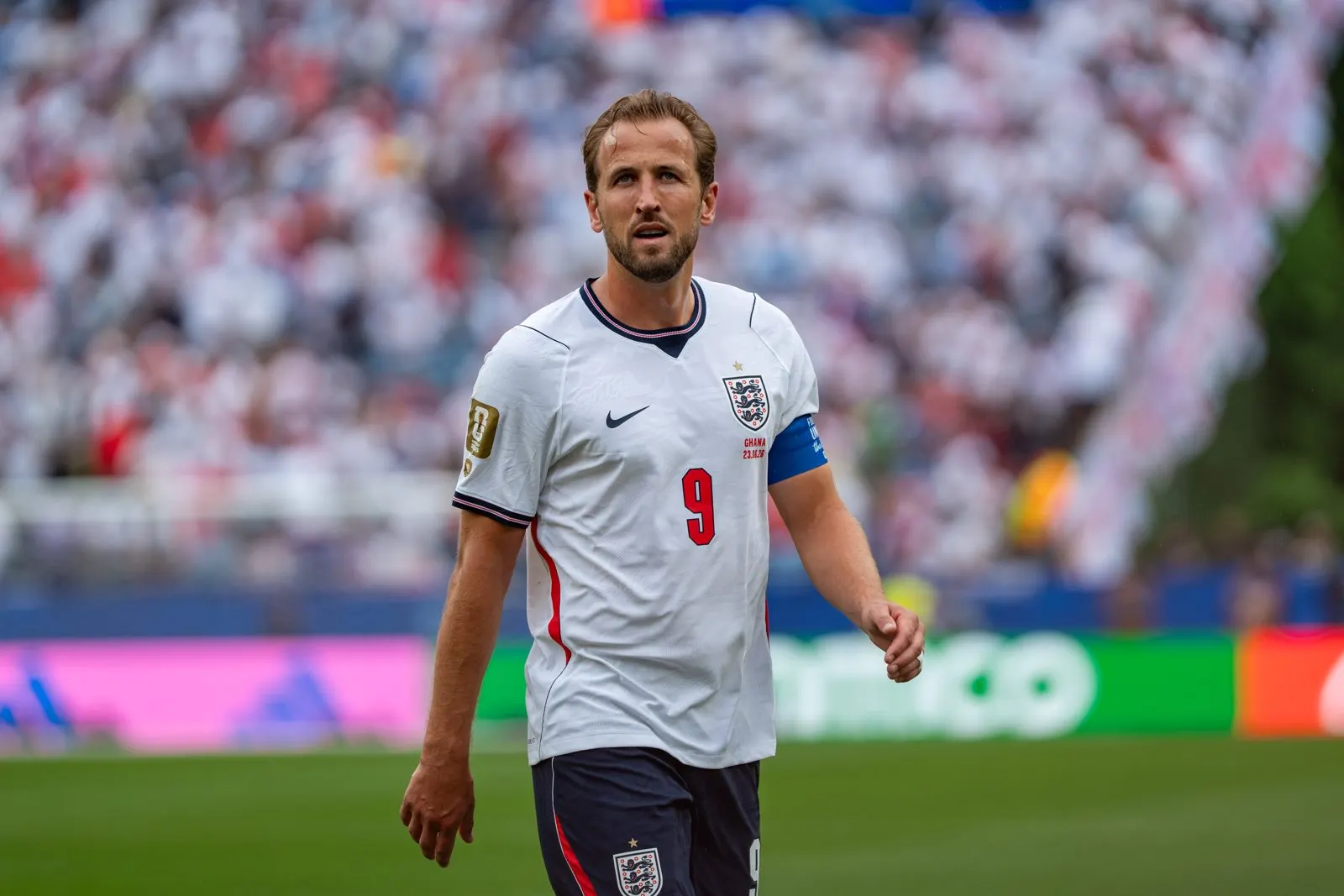
There are football arguments that run all year, and then there is this one. Tonight, at the London Palladium, the winner of the men's Ballon d'Or will be announced, and for once nobody can say with any confidence whose name is in the envelope. The BBC's preview of the award sets out the shape of the debate: Spain winger Lamine Yamal and England captain Harry Kane are close together at the front of the betting, clear of the rest of the field, and the pundits asked to pick between them have split almost down the middle. Follow the build up and the result in our sports coverage.
A London night with a bit of history attached
This is the 70th edition of the award, which France Football first handed out in 1956. For the first time, the ceremony has left Paris and come to London, a deliberate nod to Stanley Matthews, the English winger who won the very first Ballon d'Or. TNT Sports' guide to the night notes that the gala starts at 8pm local time and that the 30 man shortlist was announced in September. The votes themselves were cast weeks ago by football journalists, so nothing said or played this weekend changes the result. The criteria the voters were given are worth remembering, because they explain most of the argument. Individual performances carry the most weight, then team performances and trophies, then class and fair play. In plain terms, the award asks voters to weigh one man's brilliance against what his teams actually won, and this year those two measures point at different players.
The case for Harry Kane is written in goals
Start with the numbers, because with Kane the numbers are the argument. Andros Townsend, speaking in the BBC debate, put the total at 73 goals in 65 games for club and country. That breaks down as 36 goals in the Bundesliga, 14 in the Champions League and six at the World Cup. Bayern Munich won the German league and cup double with Kane leading the line, and England reached the World Cup semi finals with their captain scoring six times along the way. Alan Shearer, who knows a thing or two about scoring in English football, backed Kane in the same discussion and described his numbers across the last 12 to 18 months as sensational. It is hard to argue with the word. A return of 73 goals in a single season belongs to a different era of football, the era of players who were simply expected to score twice a week. The Straits Times, reporting agency coverage from London, points out that a Kane win would make him the first English winner of the award in 25 years, a gap that stretches back to Michael Owen. Kane himself, quoted in the same report, kept it simple: "I'd love to be able to achieve something like that. It would be a massive milestone in my career."
There is also a completeness to Kane's season that the raw tally can hide. He drops deep, links play and creates for the wide players around him, and Sportstar's analysis of his candidacy makes the point that he scored in the big knockout rounds as well as against the smaller sides. The case against him is equally clear, and it is about endings. Bayern's Champions League run and England's World Cup both finished in the semi finals. In a vote that rewards the biggest trophies, Kane's season has brilliant numbers and a domestic double, but no European Cup and no World Cup. Whether that should matter is the heart of tonight's argument, and readers can follow the wider debate on our opinion pages.
The case for Lamine Yamal is written in trophies
Yamal's season is the mirror image. Where Kane has the numbers, Yamal has the medals. He won La Liga with Barcelona, then won the World Cup with Spain, the biggest prize in the sport, in the same summer. Spanish football writer Guillem Balague, asked to choose in the BBC discussion, went for Yamal, pointing to his individual performances, the collective trophies and what he called the player's aura. Aura is a soft word for a hard thing to measure, but anyone who watched Spain this summer knows what it means. Yamal is the player defenders plan for, the one who receives the ball with two men on him and still finds the pass or the shot. He was briefly the favourite in the betting after the World Cup, according to OneFootball's round up of the market, before Kane's price shortened again in the final days. At 19, he would be a strikingly young winner, and a win tonight would confirm a changing of the guard at the top of the men's game. Our world news coverage followed Spain's run through the tournament this summer.
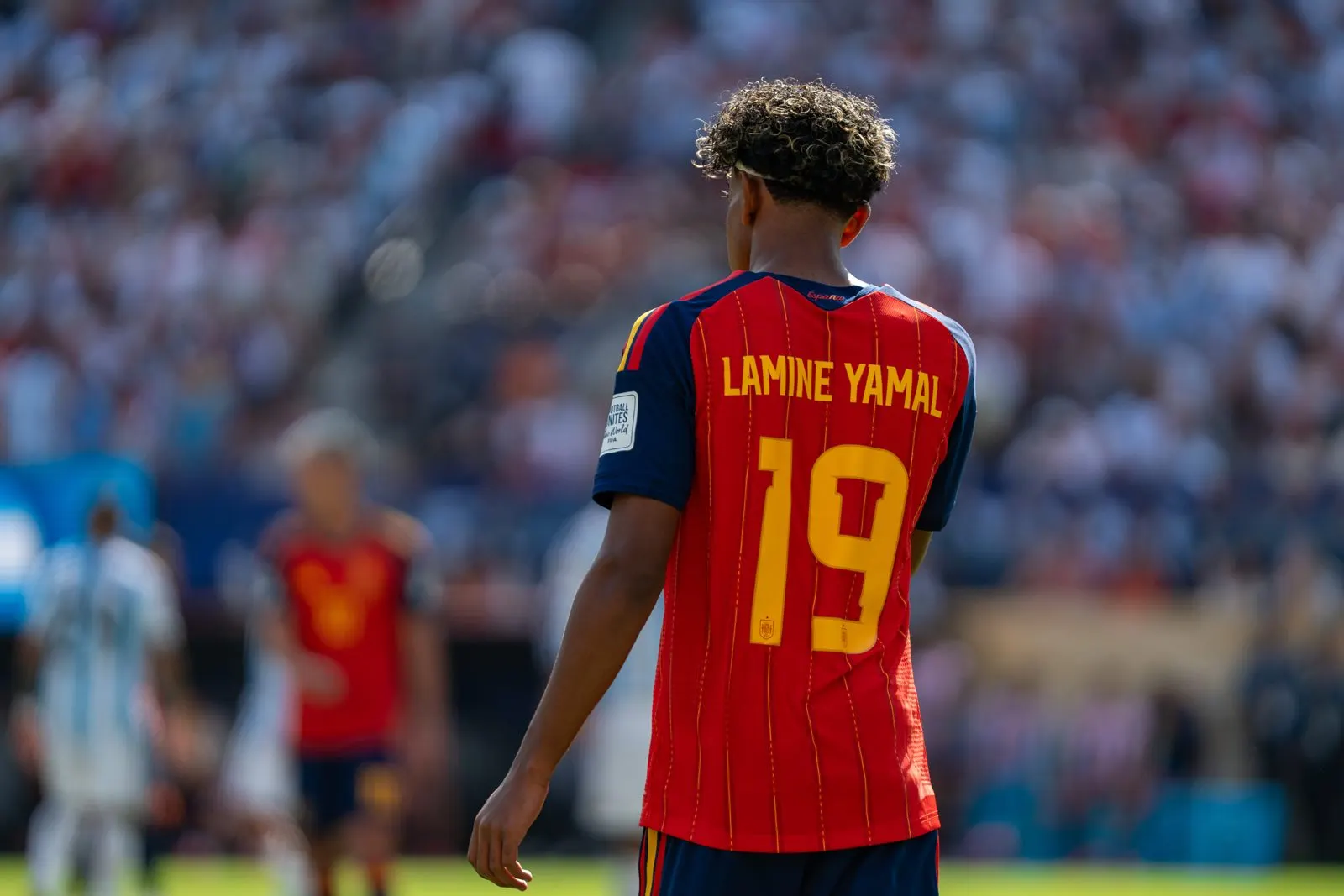 Lamine Yamal playing for Spain against Argentina at the 2026 World Cup
Photo: Bryan Berlin, Wikimedia Commons, CC BY-SA 4.0
The honest counter to Yamal is the same one used against every team player in a World Cup year. Spain's win was a collective effort, Barcelona's league title was a collective effort, and his individual goal numbers do not sit anywhere near Kane's. If the first criterion really is individual performance, the sceptics ask, how does the award skip the man who scored 73 times? The Yamal camp would answer that performance is not the same as goals, and that the biggest matches of the year, including the World Cup final, were shaped by him. Both positions are defensible, which is exactly why the betting market has spent weeks swinging between the two names.
The other names in the room
Two more players will be sitting in the Palladium tonight with at least an outside claim. Lionel Messi, the eight time winner now with Inter Miami and Argentina, reached the World Cup final with his country and made the shortlist again, a reminder that voters do not easily let go of the greatest player of the modern era. Geo News' summary of the 30 man shortlist credits Messi with 75 goal contributions in 49 matches for club and country, figures that would headline almost any other season. Kylian Mbappe of Real Madrid and France is the other live candidate. His odds shortened sharply in the days before the ceremony, from a distant price into clear third favouritism, which usually means somebody somewhere thinks the vote is closer than the top two assume. Rodri, the 2024 winner, and Erling Haaland, who scored 58 goals in 64 games for Manchester City and Norway according to the same shortlist reporting, complete the realistic top end. Neither is expected to win, but both show the depth of the field in a year with no runaway candidate.
What tonight will actually settle
Strip away the gala and the speeches, and tonight is a referendum on what football values most. One reading of the award says it belongs to the most productive player on the planet, the man whose season can be counted, and that man is Kane by a distance. The other reading says it belongs to the player who defined the biggest wins of the year, and in a World Cup year that points to Yamal. The voting criteria, with individual performance listed first, were written for exactly this kind of split, and the journalists who voted have already made their choice. The rest of us find out at the London Palladium tonight. Whichever way it goes, the result will lead our news coverage tonight and the reaction will run on Verity into tomorrow.