In Short (TL;DR)At a pivotal NATO gathering, the crucial mission of rearming Europe faces significant challenges due to the inflammatory rhetoric of Donald Trump, which has undermined the alliance's unity. This disruption creates profound uncertainty in collective defense strategies, urging European nations to reassess their strategic autonomy and defense capabilities.
Trump Takes Center Stage at NATO Summit in Ankara
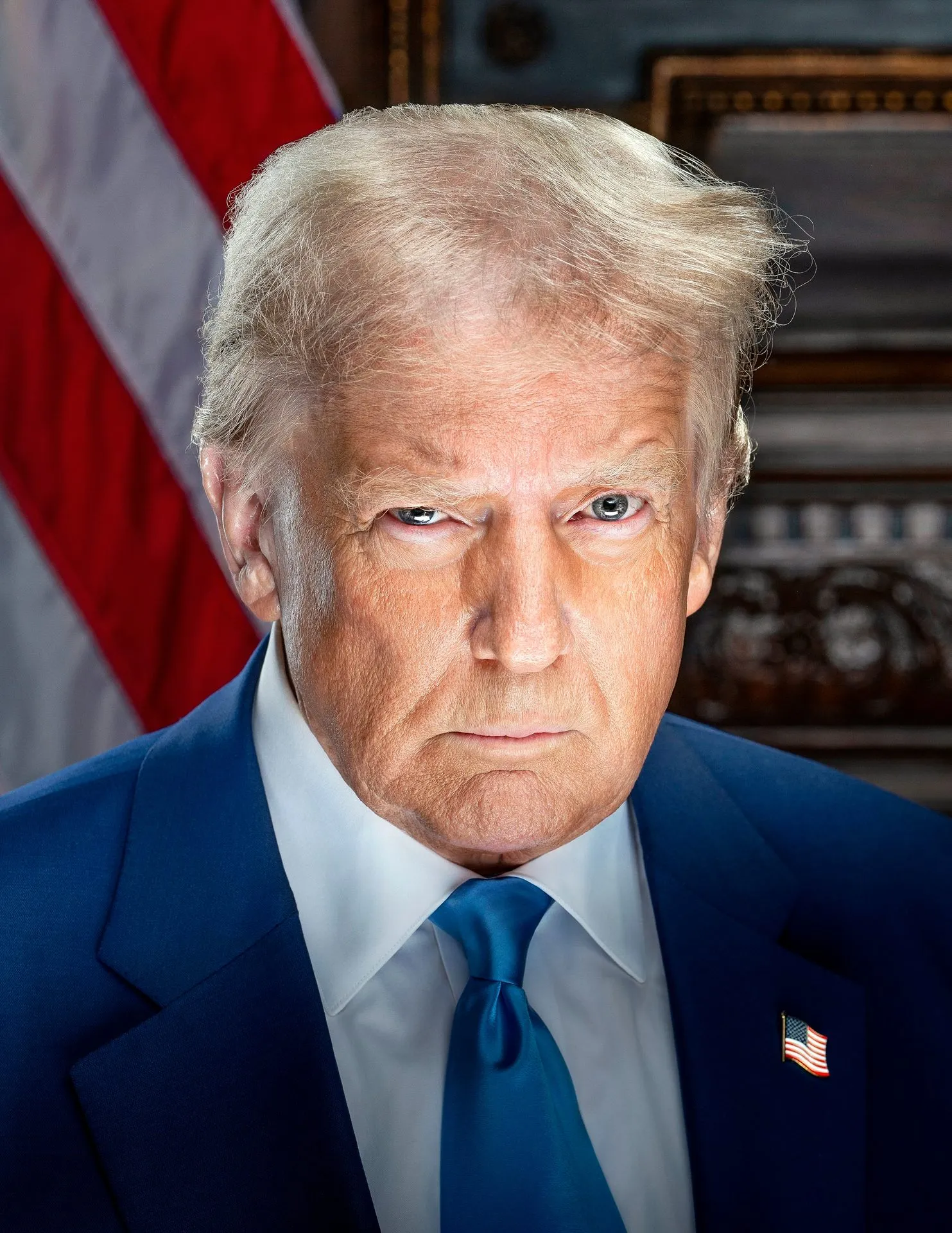
The latest NATO summit in Ankara, Turkey was expected to focus on strengthening European defense and addressing growing security threats. Instead, much of the international attention shifted toward U.S. President Donald Trump, whose remarks on several geopolitical issues overshadowed the alliance's efforts to project unity.
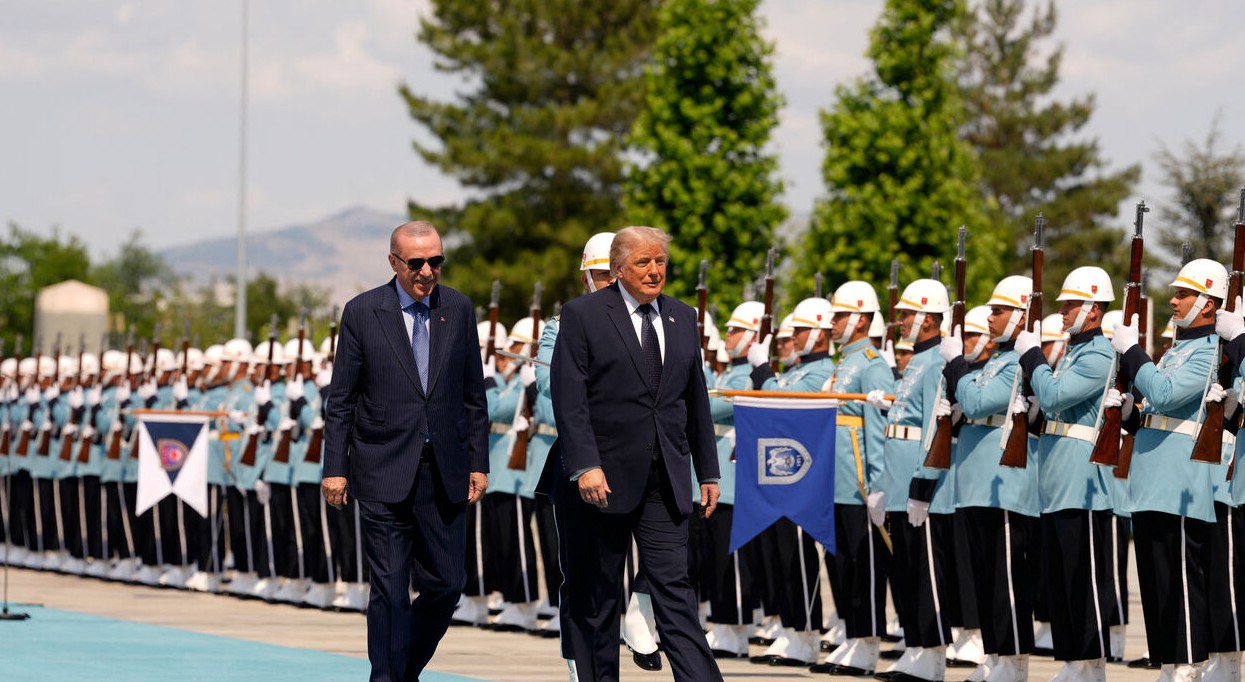
Hosted by Turkish President Recep Tayyip Erdoğan, the summit featured an elaborate welcome ceremony for Trump, highlighting the close relationship between the two leaders.
Despite the ceremonial atmosphere, Trump's comments on NATO, Greenland, Iran, and allied defense commitments quickly became some of the summit's biggest talking points.
Erdoğan Gives Trump a High-Profile Welcome
Turkish President Recep Tayyip Erdoğan personally welcomed Donald Trump upon his arrival at the airport, emphasizing the importance of their diplomatic relationship.
The welcoming ceremony included:
- A military flypast by Turkish Air Force jets
- Ceremonial music performances
- Public displays promoting the summit's theme of peace
The reception contrasted with Trump's long-standing criticism of NATO and his repeated skepticism toward the alliance.
Trump's Remarks Create Tension Among NATO Allies
Shortly after arriving in Ankara, Trump reignited controversy by once again suggesting that the United States should take control of Greenland, an autonomous territory within the Kingdom of Denmark.
Although he acknowledged that previous comments had strained relations with NATO allies, the renewed remarks raised fresh concerns.
Denmark has consistently rejected any suggestion of transferring Greenland, with Danish leaders previously warning that any attempt to seize the territory by force would fundamentally damage the NATO alliance.
Trump Criticizes Allies Over Iran Conflict
Trump also expressed disappointment that several NATO allies did not support U.S. military operations against Iran earlier this year.
He argued that some allies failed to demonstrate sufficient commitment during the conflict and questioned whether they would support the United States during future crises.
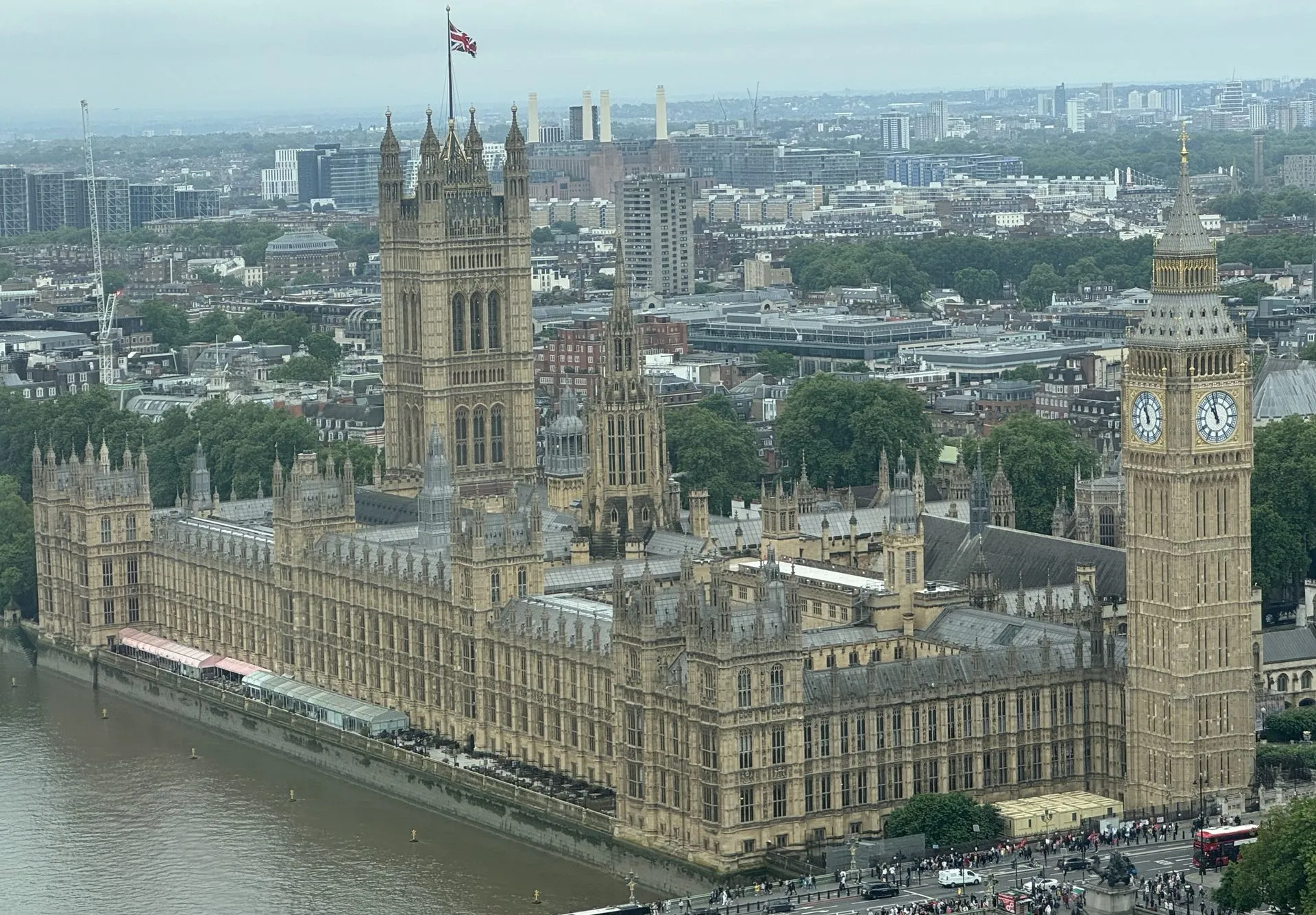
The comments drew particular attention because they included criticism of the United Kingdom despite Britain's previous cooperation in allowing U.S. military operations from British bases.
His remarks once again highlighted ongoing disagreements over burden-sharing and military cooperation within the alliance.
NATO Focuses on Rearming Europe
While political headlines centered on Trump's statements, NATO leaders continued discussions on one of the alliance's most significant priorities: rebuilding Europe's military capabilities.
Russia's ongoing war against Ukraine has accelerated efforts to strengthen European defense through:
- Increased defense spending
- Expansion of military production
- Joint procurement projects
- Improved air defense capabilities
- Greater cooperation among NATO members
Officials emphasized that Europe must become better prepared for long-term security challenges.
Major Defense Projects Announced
Several important defense initiatives were discussed during the summit as NATO seeks to modernize its military infrastructure.
New Transport Aircraft Fleet
NATO members confirmed plans for a new fleet of military transport aircraft to be manufactured by Airbus, replacing older transport capabilities and improving strategic mobility.
Replacement of AWACS Aircraft
The alliance also announced plans to replace its aging Airborne Warning and Control System (AWACS) aircraft with Sweden's advanced GlobalEye surveillance aircraft.
The new platform is expected to provide:
- Enhanced airborne surveillance
- Improved battlefield awareness
- Better coordination during multinational operations
Ukraine Calls for Stronger Air Defense
Ukrainian President Volodymyr Zelensky attended the summit and urged NATO partners to accelerate the development of modern air defense systems.
His appeal comes after continued Russian missile and drone attacks on Ukrainian cities, including Kyiv, where residential areas have suffered significant damage.
Zelensky stressed that Europe needs affordable, mass-produced anti-ballistic missile systems as quickly as possible rather than waiting several more years.
He argued that stronger air defense capabilities are essential not only for Ukraine but also for Europe's long-term security.
Europe Faces Growing Security Challenges
As the United States gradually shifts more defense responsibilities toward European allies, many NATO members are increasing investments in military modernization.
Key priorities include:
- Expanding missile defense systems
- Increasing ammunition production
- Developing advanced drone technologies
- Strengthening cyber defense
- Enhancing military interoperability across NATO members
These initiatives aim to improve Europe's ability to respond independently to future security threats.
Concerns Over Russia's Future Military Expansion
Although many NATO leaders continue to support diplomatic efforts to end the war in Ukraine, security officials remain concerned about Russia's long-term military ambitions.
Officials warned that if hostilities eventually end, Russia could rapidly rebuild its armed forces and potentially pose renewed challenges to NATO within the next several years.
These concerns are driving efforts to accelerate defense investment across Europe.
What the Summit Means for NATO
The Ankara summit highlighted two parallel realities facing the alliance.
On one hand, NATO members are investing heavily in stronger defense capabilities, modern military equipment, and closer cooperation.
On the other hand, political disagreements among allies—particularly surrounding defense commitments and international conflicts—continue to test alliance unity.
As Europe's security environment becomes increasingly complex, NATO's ability to balance political cohesion with military preparedness will remain a defining challenge for the years ahead.
Key Takeaways
- Donald Trump dominated headlines during the NATO summit with controversial remarks on Greenland, Iran, and alliance commitments.
- NATO leaders focused on strengthening Europe's military capabilities through major defense investments.
- New transport aircraft and GlobalEye surveillance systems will modernize NATO's defense infrastructure.
- Ukrainian President Volodymyr Zelensky urged allies to accelerate deployment of advanced air defense systems.
- European nations continue increasing defense spending amid concerns over Russia's future military capabilities.
- The summit demonstrated both NATO's commitment to collective security and the political challenges facing the alliance.