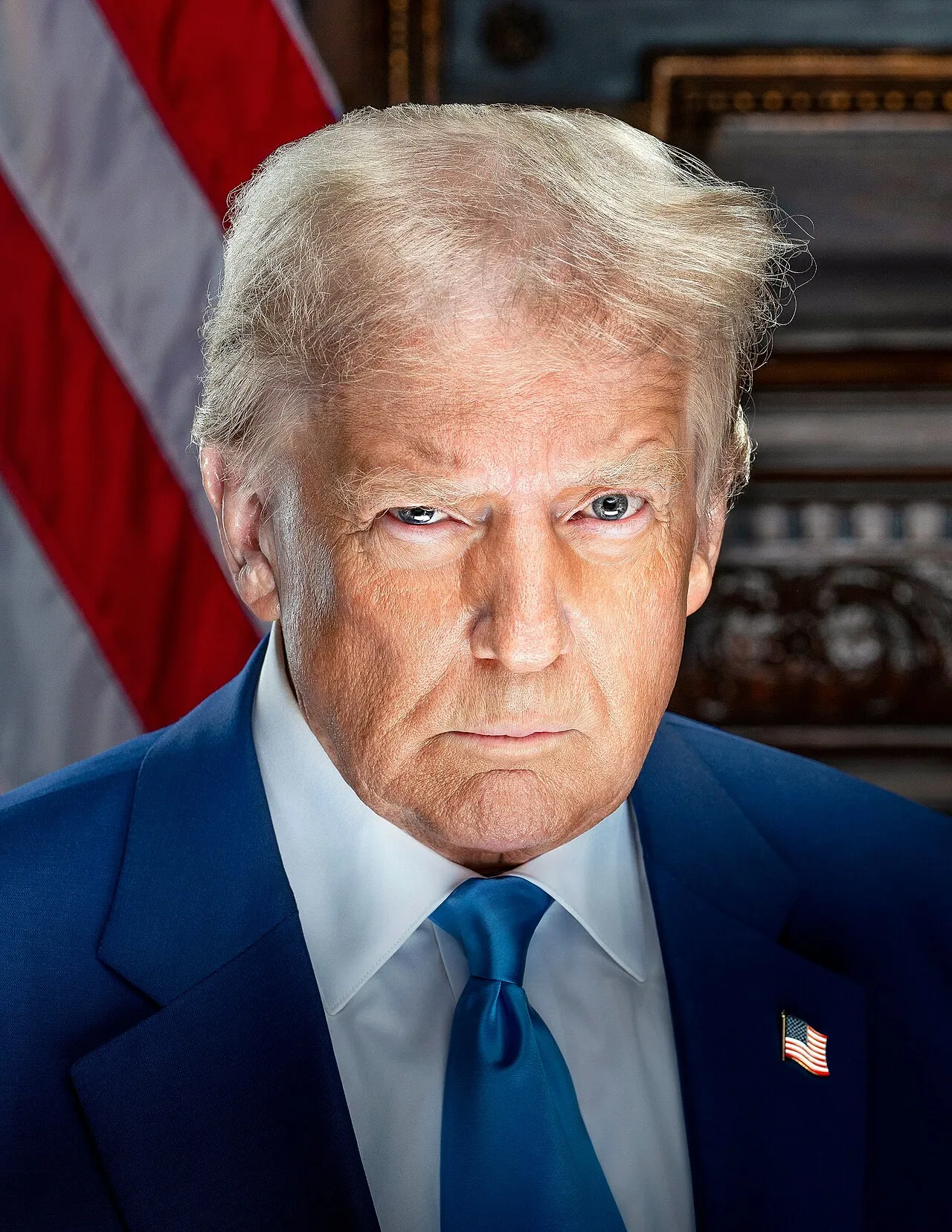
In Short (TL;DR)Speaking at a pre-midterm rally in Grand Island, Nebraska, President Donald Trump said that if Iran were not stopped from obtaining nuclear weapons, "they can take out a city. Let them take out Los Angeles. Let them take out San Diego," describing it as "a small price to pay" while defending his administration's war on Iran and rising gas prices. California Governor Gavin Newsom called the remarks "deranged and dangerous", while San Diego's mayor said his city was "not collateral damage". The White House dismissed the backlash as a "media freakout", insisting Trump was describing the threat of a nuclear-armed Iran, not endorsing an attack on American cities.
Donald Trump has triggered one of the fiercest rows of his presidency after telling a campaign rally in Nebraska that Iran could "take out" Los Angeles and San Diego — and describing the destruction of two major American cities as "a small price to pay". The comments, made during a pre-midterm rally at the Pinnacle Bank Expo Center in Grand Island on Monday, were immediately condemned by California's Democratic leadership. The White House has since moved to contain the fallout, dismissing the backlash as a "media freakout".
The remark came as Trump defended his administration's ongoing war on Iran and the spike in petrol prices it has caused. "With the war, it's just artificial. It's a little bit high. It's a small price to pay for keeping the world safe. For keeping our country safe," he told the crowd. "They can take out a city. Let them take out Los Angeles. Let them take out San Diego. This is a very small price to pay, and it's going to be over with very soon." The crowd applauded. Read more on US politics in our News section.
The context matters, even if critics say it does not excuse the language. Trump was making an economic argument: that the pain Americans are feeling at the pump is justified by the strategic goal of preventing Iran from acquiring nuclear weapons. His administration has framed the Iran war — already months old — as a campaign of "total victory" that will end soon. Trump told supporters the war would finish "very quickly, one way or the other, very soon".
But the choice of phrasing was startling even by the standards of his rally rhetoric. To describe the hypothetical nuclear destruction of Los Angeles and San Diego as a "small price to pay" turned two American cities into bargaining chips in an argument about energy prices — and did so at a moment when the war in Iran has already inflicted enormous costs on all sides. The administration's Iran campaign has drawn wide coverage across our World and Politics sections.
The response from California was swift and furious. Governor Gavin Newsom wrote on X: "After sending the National Guard and Marines to occupy California, Donald Trump is now saying our foreign enemies should 'take out' Los Angeles and San Diego. He is deranged and dangerous."
San Diego Mayor Todd Gloria said his city was "not collateral damage". Los Angeles Mayor Karen Bass warned that "the role of a president is to protect the country, not to actively threaten it and encourage attacks on American lives". House Democratic minority leader Hakeem Jeffries added: "The nuclear annihilation of an American city is no laughing matter." See our coverage of US–California tensions.
!Downtown Los Angeles at night
Downtown Los Angeles at night. The city, America's second most populous, was one of two California cities named by the president. (Camiloarenivar / Wikimedia Commons, CC BY-SA 4.0)
The administration moved quickly to reframe the remarks. White House communications director Stephen Cheung posted on X: "The media freakout over President Trump's comments is not rooted in reality. He was clearly stating US cities would have been threatened if a nuclear Iran hadn't been stopped. America is safer because of the President. Iran has no nuclear, no navy, no air force, and no money."
The White House's rapid-response account went further, attacking a Los Angeles Times headline that said Trump had suggested letting Iran "take out" the cities: "No, he didn't, you buffoons. He was saying the US is fighting to STOP Iran from having the ability to take out LA and San Diego with a nuclear weapon — which they would if they had the chance."
The defence rests on a grammatical reading: that Trump was describing a future Iran, armed with a bomb, would have the capacity to destroy American cities — and that the war is meant to prevent that future. Critics respond that "let them take out" is not a description of a threat but an invitation, and that a president cannot casually treat two of his own country's largest cities as expendable. Follow the debate in our Politics coverage.
The choice of targets was not random, and it is part of what made the remarks so charged. According to the latest US Census Bureau figures, Los Angeles has a population of 3.86 million, making it the most populous city in California and the second most populous in the country after New York. It hosts the US Space Force's Space Systems Command headquarters, major aerospace contractors including Lockheed Martin, Boeing and Northrop Grumman, and federally funded research centres such as the RAND Corporation.
San Diego, a two-hour drive south, is home to 1.4 million people — the second most populous city in California and the eighth largest in the US. It sits just 17 miles from the Mexico border and hosts major military installations, including Navy ports and Air Force bases that are central to America's Pacific posture. The US Navy maintains some of its most important West Coast facilities in the region.
The row is the latest chapter in the long-running war of words between Trump and Newsom. The president visited California in January after devastating wildfires, and the two men have since clashed over the federal deployment of National Guard troops and Marines to the state, which Newsom called a "brazen abuse of power". Trump has mocked the governor's dyslexia at rallies; Newsom, widely seen as a potential 2028 Democratic presidential contender, has returned fire at every opportunity.
What makes this episode different is the scale of what was said. Treating the hypothetical annihilation of two American cities as acceptable collateral damage — whatever the intended meaning — has given the White House a crisis entirely of its own making, and handed California's Democrats one of their most potent attack lines of the midterms. Our homepage carries continuing coverage of the story.