In Short (TL;DR)- King Charles III, Queen Camilla and Prince William will travel to the South Wales village of Aberfan on Wednesday, 21 October — 60 years to the day since the 1966 disaster.
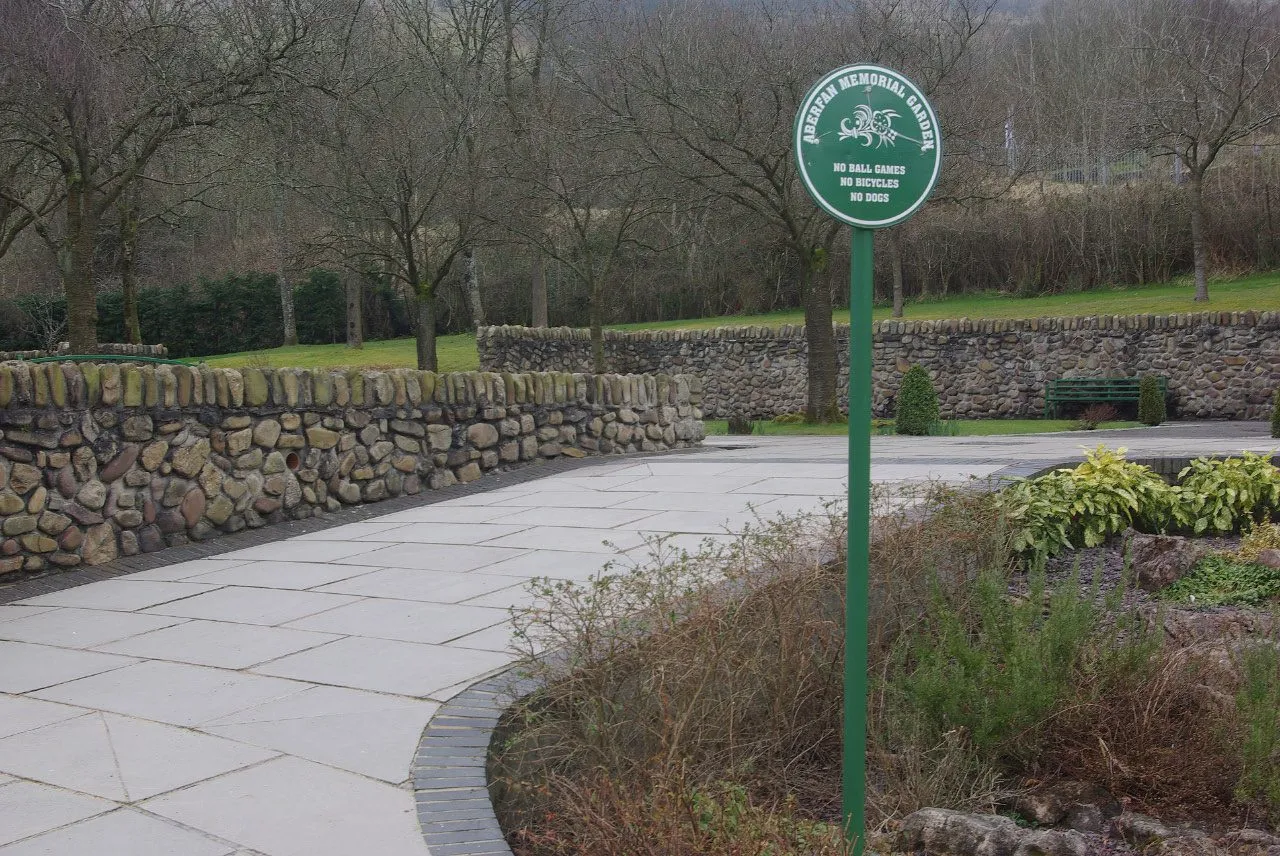
- They will visit the Aberfan Memorial Garden, on the site of the demolished Pantglas Junior School, and a community centre, with a short prayer and moment of silence planned.
- The King has personally asked to meet Gareth Jones, a survivor who was photographed with Prince Philip the day after the tragedy when he was just six.
- The disaster killed 144 people when a colliery spoil tip slipped down a mountainside; Queen Elizabeth II's delayed 1966 visit was later described as one of her biggest regrets.
The King, the Queen and the Prince of Wales will travel together to the small South Wales village of Aberfan on Wednesday, 21 October, to mark 60 years since one of the darkest days in British history — the collapse of a coal waste tip that buried a school and killed 116 children and 28 adults. The joint engagement is unusual: the three most senior members of the Royal Family seldom appear in public together, and the choice of Aberfan for such an occasion underlines the lasting weight the disaster carries in national memory.
The visit will fall exactly 60 years to the day since 21 October 1966, when a vast spoil tip from the Merthyr Vale Colliery, saturated by days of heavy rain, slipped down the mountainside above the village and engulfed Pantglas Junior School and nearby houses. The royals will visit the Aberfan Memorial Garden, which stands on the site of the demolished school, and a community centre in the village. A short prayer and a moment of silence are planned as part of the commemoration.
Buckingham Palace confirmed the engagement amid a busy period for the Royal Family, with the King and Queen also due to formally open the Senedd in Cardiff the same week.
To understand why Aberfan still commands this level of attention, it is necessary to grasp the scale of what happened in a single morning in 1966. At 9:15am, just as lessons were beginning, hundreds of thousands of tonnes of coal waste — liquefied by rain — thundered down the hillside. It demolished the junior school almost instantly. Of the 144 people killed, 116 were children, most of them between the ages of seven and ten.
The disaster devastated an entire community. An entire generation of the village was wiped out in minutes; rescue efforts continued for days, with parents digging alongside miners and volunteers. The subsequent tribunal of inquiry found that the National Coal Board bore responsibility: the tip had been built on a known spring, and warnings about its instability had been ignored. The disaster became a byword for institutional negligence and remains the worst mining-related disaster in British history.
In the aftermath, the school was demolished and the site became the Memorial Garden. Many of the victims were laid to rest in the cemetery at Bryntaf, where a dedicated burial plot for the children stands as one of the most visited memorials in Wales. Anniversaries of the disaster are marked quietly but faithfully by survivors, relatives and the wider community.
!The burial plot of the Aberfan disaster victims, including 116 children killed in the 1966 collapse
USW15 / Wikimedia Commons / CC0
The royal connection to Aberfan is long, complicated and deeply personal. The Duke of Edinburgh travelled to the village the day after the disaster, along with the then prime minister, Harold Wilson. But Queen Elizabeth II did not arrive until eight days later — a delay made on the advice of her private secretary, Lord Charteris, who feared her presence would obstruct the rescue operation and overshadow the families' grief.
It was a decision she came to regret profoundly. Lord Charteris later conceded it had been an error, and the Queen herself regarded the delay as one of the most significant missteps of her reign. When she did arrive, journalists noted she appeared unusually moved by the bereaved families she met — a rare public display of emotion from a monarch famous for her composure. The story of the delayed visit has since become one of the defining anecdotes of her reign, dramatised in popular culture and endlessly analysed.
Against that history, the decision to send the three most senior royals together for the 60th anniversary carries unmistakable symbolism: a deliberate act of remembrance, and perhaps of atonement, on behalf of the institution. As one palace source was quoted as saying, the visit reflects the Royal Family's longstanding connection to the village.
There will be a particularly poignant moment for King Charles during the visit. The King has personally asked to meet Gareth Jones, a survivor who was photographed with the King's late father, Prince Philip, the day after the tragedy. Gareth was just six years old in 1966. He was saved after being pulled from a classroom window by a school caretaker — a man who tragically lost two of his own sons in the collapse.
A haunting black-and-white photograph of the day shows the clearly shell-shocked young boy meeting the Queen's husband. Mr Jones, who has kept the photograph treasured, reportedly plans to present it to the King and Queen during the visit, explaining that it holds meaning for Charles because his father is in it.
In a striking coincidence, Mr Jones discovered earlier this year while giving a talk at a school that one of the pupils was the great-great-grandson of Stephen Andrews, another figure from the disaster's history. That same child is expected to present a posy to the King and Queen during their Cardiff engagements this week, where they will formally open the Senedd.
Details of the engagement remain limited, but the broad shape is clear. The royal party will visit the Aberfan Memorial Garden — the emotional heart of the commemoration — and a community centre, meeting survivors, relatives of the victims and local representatives. A short prayer and a moment of silence are planned, in keeping with the solemn tone of previous royal visits to the village.
Security and logistics for a triple-royal visit to a small Welsh village are considerable, and the engagement is expected to be tightly choreographed. But the emphasis, palace aides have suggested, will be on listening: to the survivors who still live with the trauma, and to a community that has carried its grief with dignity for six decades.
The 60th anniversary arrives at a moment when Britain's relationship with its industrial past is being actively re-examined. The coal industry that defined the South Wales valleys is long gone, but its human cost — in Aberfan above all — remains vivid. Recent years have seen renewed attention to mining heritage, from museum exhibitions to environmental reporting on former industrial sites, and the disaster continues to be taught in Welsh schools as a defining event.
For the monarchy, too, the visit is a statement. The Queen's well-documented interest in literature and remembrance — she recently fronted a documentary about books that changed lives — sits alongside a reign increasingly defined by the King's personal engagement with communities marked by tragedy. The presence of the Prince of Wales, the heir, signals that the institutional memory of Aberfan will be carried forward.
The village itself has asked for little over the years beyond being remembered. On Wednesday, with the King, the Queen and the future king standing together in the Memorial Garden, it will be.
Readers can follow further royal and national news on Verity, return to the homepage for the day's top stories, or learn more about how we report. Our obituaries and remembrance coverage and coverage of lives cut short continue to honour those the world has lost.