Tragedy in Al-Mughayyir: Palestinian Teens Killed Amidst West Bank Tensions
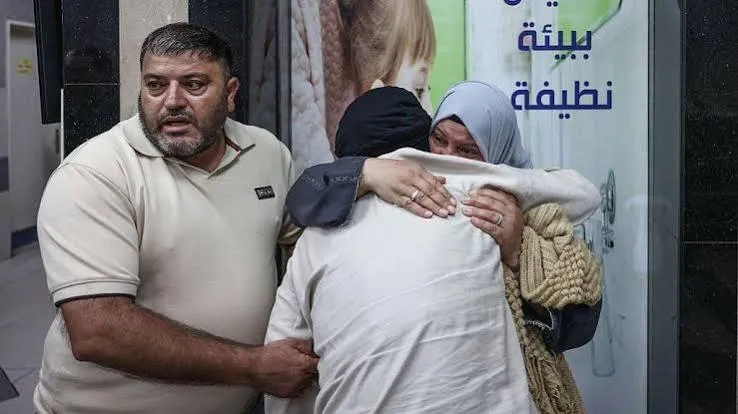
Palestinian teenagers were tragically killed during an incident involving Israeli settlers and military personnel in the West Bank village of Al-Mughayyir, highlighting the volatile and deeply contested nature of the region. This event underscores the urgent need for clarity and accountability in a conflict zone where narratives frequently clash and human lives are routinely impacted.
The quiet agricultural village of Al-Mughayyir, nestled in the central West Bank, became the scene of profound tragedy when several Palestinian teenagers lost their lives during a confrontation. Accounts of the incident diverge sharply, reflecting the entrenched and often irreconcilable perspectives that define the Israeli-Palestinian conflict. Local village officials, represented by the Al-Mughayyir council, assert that the young men were attempting to intervene and prevent what they described as an act of theft by Israeli settlers – specifically, the alleged stealing of sheep, a vital economic resource for many Palestinian families in the area. This narrative paints a picture of a community defending its livelihood and land against encroachment.
Conversely, the Israeli military presented a different sequence of events. According to their statements, the incident unfolded as their troops engaged with individuals who were reportedly throwing stones. This account frames the military's actions as a response to a perceived threat, emphasizing security concerns in a region frequently marked by clashes and unrest. The stark contrast between these two narratives immediately placed the incident under intense scrutiny, both locally and internationally, demanding a thorough investigation into the circumstances that led to the death of young lives.
The West Bank, a territory occupied by Israel since the 1967 Six-Day War, remains a focal point of the Israeli-Palestinian conflict and a complex web of legal, historical, and humanitarian issues. Under international law, particularly the Fourth Geneva Convention, the establishment of civilian settlements by an occupying power in occupied territory is widely considered illegal. Despite this, Israel has continued to expand its settlements, which are home to hundreds of thousands of Israeli citizens, creating a patchwork of communities that often abut or surround Palestinian villages.
Escalating Tensions and Settler-Palestinian Clashes
The presence of these settlements often leads to friction and sometimes violent confrontations between Israeli settlers and Palestinian residents. These clashes frequently revolve around land ownership, access to resources, and the daily realities of living in close proximity within a disputed territory. Palestinian communities, like Al-Mughayyir, often report incidents of settler violence, including damage to property, destruction of olive trees, and the theft of livestock, which directly impacts their agricultural-based economy. Such incidents are reported to be on the rise, contributing to a climate of fear and insecurity among Palestinians.
The Israeli military maintains a significant presence throughout the West Bank, stating its primary mission is to ensure security for Israeli citizens and prevent terrorism. However, the military's role in incidents involving settlers and Palestinians is often a source of contention. Human rights organizations frequently criticize what they perceive as insufficient protection for Palestinians and a lack of accountability for settler violence, while the military asserts it acts to restore order and protect lives, often facing complex and rapidly evolving situations. The incident in Al-Mughayyir highlights this perennial tension, where the very presence of different groups in the same territory can ignite deadly conflict.
The conflicting accounts from Al-Mughayyir's council and the Israeli military are emblematic of the broader information warfare that characterizes the Israeli-Palestinian conflict. Each side presents a narrative that aligns with its own experiences, grievances, and security imperatives, making it incredibly difficult for external observers to ascertain an undisputed truth.
The Village Council's Account: Defense of Livelihood
From the perspective of Al-Mughayyir's council, the Palestinian teenagers were acting to protect their community's economic bedrock. Sheep farming is a traditional and essential source of income and sustenance for many families in the West Bank. The alleged theft of livestock is not merely a property crime but an assault on a family's ability to survive and thrive. In this context, the teenagers' actions would be seen as a desperate attempt to defend their collective livelihood against an external threat. The council's statement implies a lack of adequate protection from authorities, forcing residents to take matters into their own hands, with devastating consequences. This narrative often resonates deeply within Palestinian society, where land and resources are intrinsically linked to identity and resistance.
The Israeli Military's Account: Security Response
The Israeli military's statement, on the other hand, focuses on the immediate threat posed by stone-throwing. In the context of military operations and security protocols in the West Bank, stone-throwing is often perceived as a direct and potentially dangerous act of aggression, particularly when directed at armed personnel or vehicles. The military's response, therefore, would be framed as a necessary measure to neutralize a threat and maintain order. This perspective is rooted in Israel's broader security doctrine, which prioritizes the protection of its citizens and forces in a region it considers hostile. The emphasis on stone-throwing also often serves to justify the use of force, drawing a clear line between what is considered legitimate protest and what is deemed a violent act requiring intervention.
The Cycle of Violence and Youth Involvement
Regardless of the specific catalyst for the confrontation, the tragic outcome underscores a disturbing trend: the increasing involvement of young people in the conflict and the profound human cost. Palestinian youth, growing up under occupation, often experience daily frustrations, restrictions, and exposure to violence. This environment can foster a sense of hopelessness and a willingness to confront what they perceive as injustice. The loss of young lives in Al-Mughayyir adds to a long list of similar incidents, perpetuating a cycle of grievance and retaliation that further destabilizes the region and dims prospects for peace.
Incidents like the one in Al-Mughayyir inevitably draw significant international attention, prompting calls for investigations and accountability from various global bodies and human rights organizations. The international community largely views Israeli settlements as an obstacle to peace and often condemns violence perpetrated by settlers against Palestinians, as well as actions by security forces that result in civilian casualties.
Human Rights Organizations and International Law
Human rights organizations, both local and international, routinely document incidents of violence in the West Bank, collecting testimonies and evidence to shed light on the circumstances. They frequently highlight concerns regarding the protection of Palestinian civilians, particularly children, and advocate for transparent, independent investigations into all fatalities and injuries. The principles of , which govern armed conflicts and occupation, obligate occupying powers to protect the civilian population and ensure accountability for violations. The deaths in Al-Mughayyir will undoubtedly be added to the growing dossier of cases demanding such scrutiny.
Diplomatic Ramifications
The diplomatic fallout from such events can be significant. International bodies like the United Nations, the European Union, and individual nations often issue statements expressing concern, condemning violence, and urging de-escalation. These incidents can strain Israel's relationships with key allies and fuel debates within international forums about the legality of settlements and the human rights situation in the occupied territories. The lack of a clear, unified international response, however, often emboldens both sides and allows the cycle of violence to persist, complicating any genuine efforts towards Middle East peace efforts. The incident serves as a stark reminder of the deeply entrenched political dimensions that underpin every violent encounter in the region.
The tragic deaths in Al-Mughayyir underscore the urgent need for robust mechanisms to de-escalate tensions and prevent further loss of life in the West Bank. The current environment, characterized by conflicting claims, a lack of trust, and pervasive insecurity, demands a concerted effort from all parties to protect civilians, especially vulnerable youth, and to foster an environment conducive to a peaceful resolution.
Protecting Civilians and Ensuring Accountability
A crucial step involves strengthening accountability for all acts of violence, whether perpetrated by settlers, military personnel, or Palestinian individuals. Independent and impartial investigations into incidents like the one in Al-Mughayyir are paramount to establish facts, hold perpetrators responsible, and deter future violence. Without a credible system of justice, a sense of impunity can prevail, leading to further cycles of retaliation and grievance. Furthermore, there is an urgent need for enhanced protection measures for Palestinian communities, particularly those living in close proximity to settlements, to safeguard their lives, property, and livelihoods from aggression.
Addressing Root Causes and Fostering Dialogue
Ultimately, lasting peace requires addressing the fundamental issues that fuel the conflict, including the occupation, the expansion of settlements, and the unresolved aspirations of the Palestinian people. While immediate de-escalation is vital, long-term stability hinges on a political process that acknowledges the legitimate rights and security concerns of both Israelis and Palestinians. Dialogue, even amidst profound distrust, remains the only viable path towards finding common ground and building a future where such tragedies can be averted. The international community also has a critical role to play in facilitating such dialogue and ensuring adherence to international law and human rights principles, providing support for initiatives that promote coexistence and mutual respect rather than perpetuating division and violence. The lives lost in Al-Mughayyir serve as a somber reminder of the profound human cost of an unresolved conflict and the imperative for urgent, meaningful action.