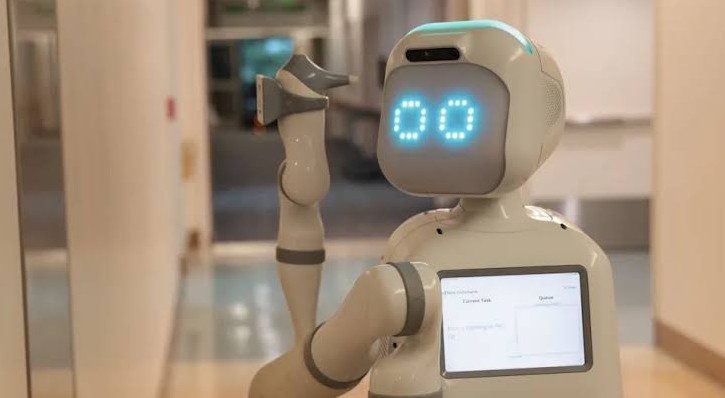
The Rise of Robot Rentals: Unlocking Agility in a Fast-Evolving Automated World
The landscape of industrial and service automation is undergoing a profound transformation, with robotics technology evolving at an unprecedented pace, leading to a significant shift in how businesses acquire and utilize these advanced tools. This rapid evolution makes the traditional model of outright robot ownership increasingly challenging for many enterprises, prompting a growing trend towards renting robotic solutions to maintain competitive edge and operational flexibility.
For decades, the acquisition of industrial robots represented a substantial capital expenditure, a long-term investment often tied to specific, unchanging manufacturing processes. Companies would purchase robust, often single-purpose machines, anticipating years, if not decades, of service. However, the dawn of the 21st century has introduced a new era of robotics – one characterized by rapid innovation in artificial intelligence, machine learning, sensor technology, and mechanical design. This accelerated development cycle means that a state-of-the-art robot today could be superseded by a more efficient, versatile, or cost-effective model in a matter of months, rendering significant upfront investments risky and potentially leading to rapid technological obsolescence.
This dynamic environment has fostered the emergence of Robotics-as-a-Service (RaaS), a model akin to software-as-a-service (SaaS) or cloud computing. Instead of purchasing, businesses can now subscribe to robot capabilities, paying a recurring fee for deployment, maintenance, and often, software updates. This paradigm shift democratizes access to advanced automation, making it available to a broader spectrum of organizations, from burgeoning startups to established multinational corporations grappling with fluctuating market demands or the need for agile production lines. The focus moves from owning a physical asset to accessing its functional utility, allowing companies to scale their automation efforts up or down without the burden of depreciation or the risk of being stuck with outdated hardware.
The rapid advancement in robotics is not merely incremental; it represents a confluence of several technological breakthroughs. Collaborative robots, or cobots, designed to work safely alongside humans, have revolutionized manufacturing floors, offering flexibility and ease of programming previously unimaginable. Advances in computer vision allow robots to perceive and interact with their environment with greater precision, while sophisticated grippers enable them to handle a wider array of objects, from delicate electronics to heavy industrial components. Furthermore, the integration of advanced AI and machine learning algorithms means modern robots can learn, adapt, and optimize their tasks autonomously, improving efficiency over time.
The connectivity afforded by the Internet of Things (IoT) also plays a pivotal role, allowing robots to communicate with each other, with central control systems, and with human operators in real-time. This interconnectedness facilitates predictive maintenance, remote diagnostics, and seamless integration into broader smart factory ecosystems. Such rapid innovation, while beneficial for productivity and capability, creates a significant dilemma for capital budgeting. A company investing millions in a fixed robotic system today might find a superior, more adaptable solution available next year, potentially eroding their competitive advantage. The rental model directly addresses this by providing an agile pathway to leverage the latest advancements without the long-term commitment and financial exposure.
The capabilities of modern robots available for rent are incredibly diverse, extending far beyond traditional manufacturing applications. These machines are designed for adaptability and can be deployed across a multitude of sectors, performing tasks that range from repetitive and dangerous to highly precise and analytical. The 'what can they do?' question increasingly points to a future where robots are integrated into nearly every facet of industry and daily life.
Manufacturing and Logistics
- Assembly and Welding: Precision and speed in manufacturing lines, adaptable to varying product specifications.
- Material Handling: Automated Guided Vehicles (AGVs) and Autonomous Mobile Robots (AMRs) efficiently transport goods within warehouses and factories, optimizing logistics. Learn more about warehouse automation
- Pick-and-Place: High-speed sorting and packaging, crucial for e-commerce fulfillment centers.
- Quality Inspection: Vision systems integrated with robotic arms can perform rapid, accurate inspections, identifying defects invisible to the human eye.
Healthcare and Pharmaceuticals
- Surgical Assistance: Providing surgeons with enhanced precision and dexterity in minimally invasive procedures.
- Disinfection and Cleaning: Autonomous robots equipped with UV-C light or specialized cleaning agents ensure sterile environments in hospitals.
- Pharmacy Automation: Dispensing medications, managing inventory, and preparing dosages with accuracy.
- Patient Support: Assisting with patient lifting, mobility, and even delivering meals or supplies within medical facilities.
Retail and Hospitality
- Inventory Management: Scanning shelves, tracking stock levels, and identifying misplaced items in retail environments.
- Customer Service: Concierge robots providing information, guiding customers, or even taking orders in restaurants and hotels.
- Cleaning and Maintenance: Large-scale floor cleaning in commercial spaces, reducing labor costs and ensuring consistent standards.
- Food Preparation and Delivery: Automated kitchens and delivery robots streamline operations and enhance efficiency in the food service industry.
Agriculture and Construction
- Precision Farming: Robots for planting, harvesting, weeding, and monitoring crop health, optimizing resource use.
- Site Surveying and Inspection: Drones and ground robots conduct surveys, monitor progress, and inspect hazardous areas on construction sites.
This expansive range of applications highlights that rental robots are not just a stop-gap solution but a strategic enabler for businesses seeking to experiment with automation, scale operations without capital strain, or quickly adapt to new market demands. The ability to swap out or upgrade rented units means businesses can always access the optimal tool for the job, rather than being limited by their initial purchase.
The economic rationale behind robot rental is compelling, particularly for Small and Medium-sized Enterprises (SMEs) and businesses operating with tight margins or variable demand. The most immediate benefit is the reduction of significant upfront capital expenditure. Instead of a large lump sum, companies incur predictable operational expenses, easing cash flow and freeing up capital for other critical investments like research and development or market expansion. This financial flexibility is a game-changer, leveling the playing field for smaller entities that previously couldn't afford advanced automation.
Beyond cost savings, the rental model offers unparalleled operational agility. Businesses can rapidly deploy automation for specific projects, seasonal peaks, or pilot programs without commitment to long-term ownership. If a project concludes or market conditions shift, the rented robots can be returned or swapped, avoiding the burden of idle assets. This 'on-demand' access to technology allows for quicker adaptation to market changes, fostering innovation and reducing time-to-market for new products or services. Furthermore, maintenance, repairs, and software updates are typically handled by the rental provider, offloading these complex and often costly responsibilities from the user. This ensures maximum uptime and allows the client to focus on their core competencies, rather than managing a complex robotic fleet.
The proliferation of robot rental services carries significant global implications, impacting everything from industrial competitiveness to labor markets. For developing economies, RaaS presents an opportunity to leapfrog traditional industrialization stages, adopting advanced automation without the prohibitive capital investment. This could accelerate economic growth, enhance productivity, and allow these nations to compete more effectively on the global stage. For developed nations, it reinforces their position at the forefront of technological innovation, enabling continuous upgrades to manufacturing and service sectors.
The impact on the future of work is multifaceted. While concerns about job displacement are valid, the rental model also facilitates job creation in areas such as robot programming, maintenance, integration, and data analysis. As robots take over repetitive or dangerous tasks, human workers can be upskilled to perform more complex, creative, and supervisory roles. This shift necessitates investment in education and training programs to prepare the workforce for an automated future. Moreover, the increased efficiency and productivity driven by accessible automation can lead to overall economic expansion, potentially creating new industries and job categories. Explore the impact of AI on employment
As the global market for RaaS expands, regulatory frameworks will also need to evolve to address issues such as data privacy, robot ethics, and liability. Ensuring a responsible and equitable adoption of this technology will be crucial for maximizing its benefits while mitigating potential societal challenges.
While the benefits of robot rental are substantial, businesses must carefully consider several factors before committing to a RaaS model. Understanding the specific needs of an operation is paramount: what tasks need automating, what level of precision is required, and what are the environmental conditions? The duration of the rental agreement, scalability options, and the provider's service level agreements (SLAs) for maintenance and support are critical details to scrutinize. Data security and intellectual property concerns also warrant careful review, especially when robots are integrated into sensitive operational networks.
Furthermore, while rental reduces upfront costs, long-term rental agreements might, in some scenarios, accumulate to a cost comparable to or exceeding ownership, depending on the robot's lifespan and rate of technological obsolescence. Therefore, a thorough cost-benefit analysis, factoring in operational flexibility, maintenance burden, and the pace of technological change specific to the industry, is essential. The market for RaaS providers is also maturing, necessitating due diligence in selecting a reputable partner with a proven track record, robust technical support, and a comprehensive portfolio of robotic solutions. As businesses increasingly embrace this flexible approach to automation, the careful navigation of these considerations will be key to unlocking the full potential of rented robotics.