Budget Energy NI Announces Significant 9.5% Price Hike Amidst Unrelenting Market Volatility
Budget Energy Northern Ireland has declared a 9.5% increase in its electricity prices, a move attributed directly to the persistent turbulence observed in global wholesale energy markets. This decision casts a fresh shadow over household budgets and business operating costs across the region, intensifying the ongoing challenges of the cost of living crisis.
The announcement from Budget Energy, a prominent supplier in Northern Ireland, underscores the continued vulnerability of local energy markets to international dynamics. Consumers will face higher bills as the company navigates what it describes as 'continued volatility' in the markets where it procures its energy, a situation that has become a recurring theme for energy providers worldwide over the past few years.
The 9.5% increase, set to take effect for Budget Energy’s customers, translates to a noticeable jump in monthly outgoings for many households and businesses already grappling with inflationary pressures. While the exact financial burden will vary based on consumption, the percentage rise is significant enough to prompt renewed concerns about affordability and fuel poverty.
Budget Energy's justification points squarely to the wholesale energy markets – the complex global trading platforms where electricity, gas, and other energy commodities are bought and sold in bulk. These markets are influenced by a myriad of factors, from geopolitical events and supply chain disruptions to weather patterns and global demand shifts. When wholesale prices surge, energy suppliers, who purchase their energy in advance, eventually have to pass these increased costs onto their retail customers to maintain operational viability.
For consumers, this latest increase is not an isolated incident but rather another chapter in a period of sustained financial strain. The cumulative effect of multiple price adjustments from various providers over recent years has eroded disposable incomes, forcing many to make difficult choices between essential expenditures. The Utility Regulator for Northern Ireland, the independent body responsible for promoting the interests of consumers, will undoubtedly be scrutinising this announcement and its broader implications for market competition and consumer protection.
The 'continued volatility' cited by Budget Energy is not an abstract concept but a direct consequence of a confluence of global events and structural market issues. Understanding these underlying factors is crucial to grasping why energy prices remain stubbornly high and unpredictable.
Geopolitical Tensions and Supply Chain Disruptions
- The Russia-Ukraine Conflict: The invasion of Ukraine by Russia in early 2022 sent shockwaves through global energy markets, particularly gas. Russia, a major supplier of natural gas to Europe, saw its exports curtailed, leading to unprecedented price spikes. While direct reliance on Russian gas may vary, the European market is interconnected, meaning price surges in one region inevitably impact others, including the UK and Northern Ireland.
- OPEC+ Decisions: Decisions made by the Organisation of the Petroleum Exporting Countries and its allies (OPEC+) regarding oil production quotas can significantly influence global crude oil prices. As oil and gas prices are often correlated, shifts in the oil market can have knock-on effects on gas and, consequently, electricity prices, especially in regions heavily reliant on gas-fired power generation.
- Post-Pandemic Demand Surge: The rapid rebound in global economic activity following the COVID-19 lockdowns led to a sharp increase in energy demand. Supply chains, already strained, struggled to keep pace, contributing to imbalances that pushed prices upwards.
Weather Extremes and Climate Change
Increasingly, extreme weather events, exacerbated by global climate change, play a significant role in energy market volatility. Prolonged heatwaves can boost demand for air conditioning, straining electricity grids. Conversely, periods of low wind can reduce output from wind farms, necessitating greater reliance on conventional, often more expensive, fossil fuel generation. Similarly, droughts can impact hydropower output, adding another layer of unpredictability to supply.
Infrastructure and Investment Challenges
The transition to a cleaner energy system requires massive investment in new infrastructure, from renewable generation sites to upgraded grid networks and energy storage solutions. Delays in these investments, or challenges in integrating intermittent renewable sources, can create bottlenecks and contribute to price instability. Furthermore, maintenance issues at existing power plants or gas terminals can temporarily reduce supply, leading to price spikes.
Currency Fluctuations
Energy commodities, particularly natural gas and oil, are predominantly traded in US dollars on international markets. Therefore, the strength of the US dollar against local currencies, such as the British Pound, can directly impact the cost of imported energy. A weaker pound means that UK and NI energy suppliers pay more for the same volume of energy, a cost often eventually passed on to consumers.
This latest price hike from Budget Energy does not occur in a vacuum. It follows a tumultuous period for energy markets, most notably the unprecedented surges experienced in late 2021 and throughout 2022. During this time, the average annual energy bill in the UK soared to historic highs, prompting widespread government intervention, including the Energy Price Guarantee and various support payments.
While wholesale prices have retreated from their absolute peaks, they remain significantly above pre-pandemic levels and continue to fluctuate wildly. This 'new normal' of elevated and unpredictable energy costs has embedded itself into the broader cost of living crisis. Households are not only contending with higher energy bills but also increased costs for food, housing, and other essentials, leading to a profound squeeze on discretionary spending and savings.
For small and medium-sized enterprises (SMEs) in Northern Ireland, the impact is equally severe. Energy is a fundamental operational cost for almost every business, from manufacturing plants to retail shops and hospitality venues. Higher energy bills directly reduce profit margins, potentially leading to difficult decisions regarding staffing, investment, or even business viability. Some businesses may be forced to pass on increased costs to consumers, further fuelling inflation.
Northern Ireland's energy market, while connected to the broader UK and Irish grids, possesses its own distinct characteristics and challenges. The region relies heavily on imported fossil fuels, particularly natural gas, for a significant portion of its electricity generation. This reliance makes it particularly susceptible to international gas price fluctuations.
The Utility Regulator for Northern Ireland plays a critical role in overseeing the energy market. It is responsible for licensing energy suppliers, setting price controls for regulated tariffs, and ensuring that consumers receive fair treatment and reliable service. While Budget Energy operates under a supply license, its pricing decisions are still subject to regulatory oversight, particularly concerning the justification for price changes based on wholesale market movements. The regulator's challenge is to balance the need for suppliers to remain financially viable with the imperative to protect consumers from excessive charges.
Furthermore, Northern Ireland faces specific challenges in its transition to renewable energy. While there has been significant progress in integrating wind power, issues such as grid infrastructure limitations, planning complexities, and the need for greater energy storage capacity mean that the journey towards energy independence and stability is ongoing.
In the face of persistent volatility, the focus must shift towards building long-term resilience within the energy system and empowering consumers to manage their consumption effectively. Governments, regulators, energy suppliers, and consumers all have a role to play.
Strategic Investments and Policy Direction
- Renewable Energy Acceleration: Continued and accelerated investment in indigenous renewable energy sources – wind, solar, and potentially tidal – is paramount. This reduces reliance on volatile fossil fuel imports and provides a more stable, predictable energy supply.
- Grid Modernisation and Storage: Upgrading and expanding the electricity grid to better integrate renewables and investing in large-scale energy storage solutions (e.g., batteries, pumped hydro) will enhance grid stability and reduce the need for expensive peak-time fossil fuel generation.
- Energy Efficiency Initiatives: Robust government-backed schemes to improve home insulation, promote efficient appliances, and encourage smart energy use can significantly reduce overall demand, lessening the impact of price hikes. consistently highlights energy efficiency as the 'first fuel'.
Consumer Strategies and Support
While systemic changes take time, consumers can adopt strategies to mitigate the impact of rising costs:
- Energy Efficiency at Home: Simple measures like optimising heating settings, draught-proofing, switching to LED lighting, and being mindful of appliance usage can collectively lead to meaningful savings. Information on energy-saving tips is widely available from consumer advice bodies.
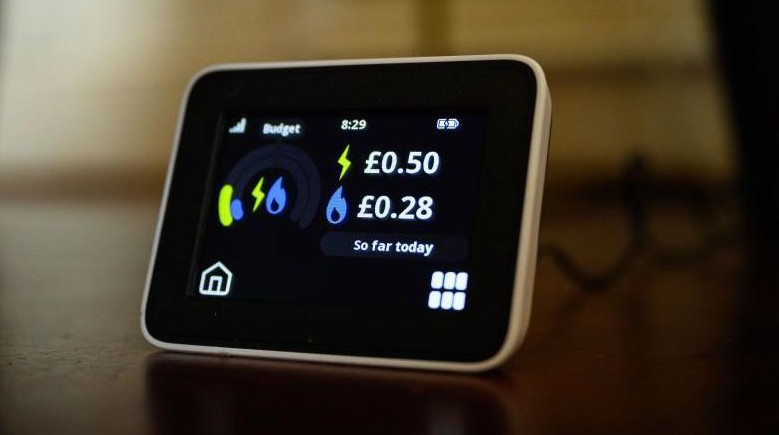
- Smart Meters and Usage Monitoring: Utilising smart meters can provide real-time insights into energy consumption, enabling households to identify and adjust energy-intensive habits.
- Seeking Advice and Support: Individuals struggling with energy bills should be encouraged to contact their supplier or independent debt advice services for guidance on payment plans, available benefits, or energy efficiency grants.
The latest price increase from Budget Energy NI serves as a stark reminder that the energy crisis, while perhaps less acutely reported than during its peak, remains a significant challenge. Addressing it requires a multifaceted approach, combining global efforts to stabilise markets with local strategies for resilience, sustainable transition, and unwavering support for vulnerable consumers. The path to energy security and affordability is complex, demanding sustained commitment from all stakeholders to navigate the turbulent waters of the global energy landscape.