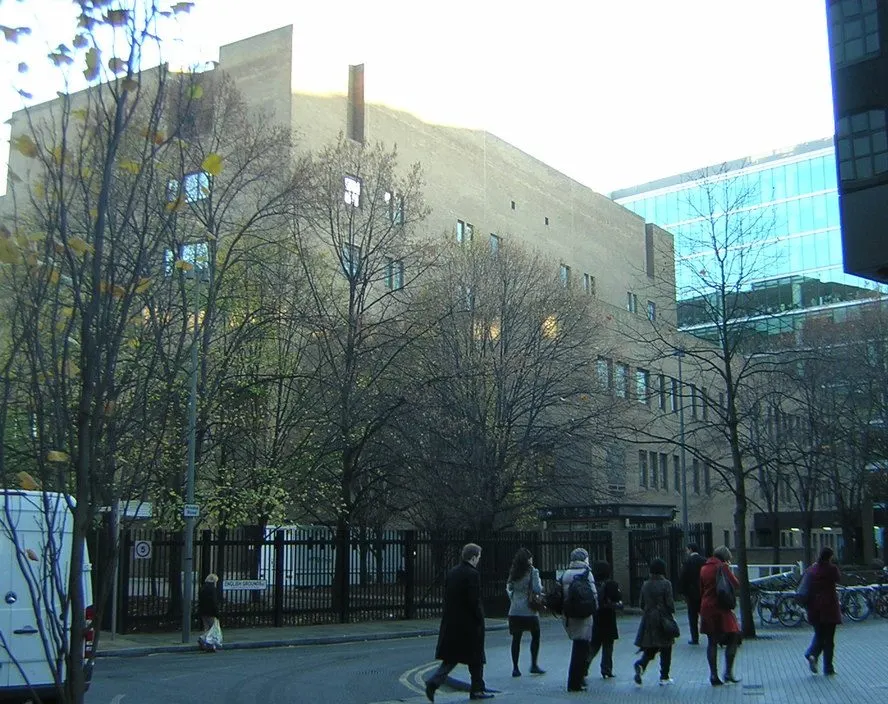
British comedian and actor Russell Brand told a London court on Wednesday that a documentary making allegations about his behaviour had a devastating effect on him, making friends and colleagues turn against him. Brand was giving evidence in the witness box in the third week of his trial at Southwark Crown Court, where he denies all the charges against him.
Brand, 51, once a regular figure on British television and star of a number of Hollywood films, is on trial accused of three counts of rape, three counts of sexual assault and an attempted indecent assault involving six women between 1999 and 2009. He is the former husband of US singer Katy Perry. The case is being heard before a jury, which must decide the remaining charges beyond reasonable doubt. Complainants in sexual offence cases have lifetime anonymity under UK law, and this article does not identify them or describe their evidence in graphic detail.
When his lawyer, Ian Winter, asked him in court if he had committed any of the alleged crimes, Brand said no loudly and clearly, according to Reuters reporting from the court. That denial is central to the defence case. The prosecution case, which closed before the defence began, presented testimony from six women alleging seven offences in the original indictment, and argued that the evidence shows a pattern of conduct. The defence case, as presented so far, disputes that account and says encounters described in the case were consensual where they took place at all. Readers should treat both sides as allegations and denials before a jury, not as established findings, until the jury returns verdicts.
The documentary and its aftermath
The jury has previously been told how all the complainants came forward to detectives after a documentary was broadcast in 2023, along with a number of newspaper articles in which anonymous allegations were made by other women who are not involved in the trial. That sequence matters to the defence argument about how the case came about, and it was the focus of the exchanges that produced the headline of the day's evidence.
Asked by Winter what impact the documentary had on his friends turning their back on him, Brand said it was devastating, according to Reuters. Winter then asked whether he had been able to persuade any friend or acquaintance who might have been able to give evidence on his behalf to appear in court. Brand replied that he had not. Winter asked whether they would touch him with a bargepole, and Brand said no. Those answers, as reported, are Brand's own account of his personal and professional relationships after the documentary, not a finding by the court about any individual friend or colleague.
Brand appeared in the witness box wearing a black suit with an open-neck white shirt and a loose black tie, according to court reporting. His evidence is continuing, and he is expected to face cross-examination by prosecutors after his evidence in chief. Cross-examination is the stage at which the prosecution can challenge a defendant's account in detail, and it is often the most closely watched part of a defence case. This article reports only the evidence given so far and does not anticipate what cross-examination may cover.
How the trial reached the defence case
The trial has reached its third week. Before Brand gave evidence, the court heard four pre-prepared police statements from Brand in which he denied any non-consensual sex, described a promiscuous past, and said 2023 media reports had reframed consensual encounters, according to a summary of the proceedings published by Particle News. Those statements were part of the material put before the court as the prosecution closed its case and the defence prepared to begin.
On Tuesday, a judge at Southwark Crown Court ordered jurors to acquit Brand of an indecent assault charge and substituted a lesser count of attempted indecent assault for the same alleged 2001 incident. That mid-trial decision narrowed one allegation but did not resolve the remaining charges, which the jury will decide. It is a reminder that trial judges can direct acquittals on individual counts where they rule the evidence does not support that count as charged, without that decision determining the rest of the case. The substituted count remains to be decided by the jury, along with the other charges.
The allegations stem from 2023 reporting by Channel 4 and The Sunday Times that prompted police inquiries, according to the same summary. The BBC story that prompted this article, at BBC News, focuses on Brand's evidence about the personal impact of those reports. This article follows that focus and does not repeat detailed allegations from the prosecution case, in line with the need to avoid graphic detail and to respect the anonymity of complainants.
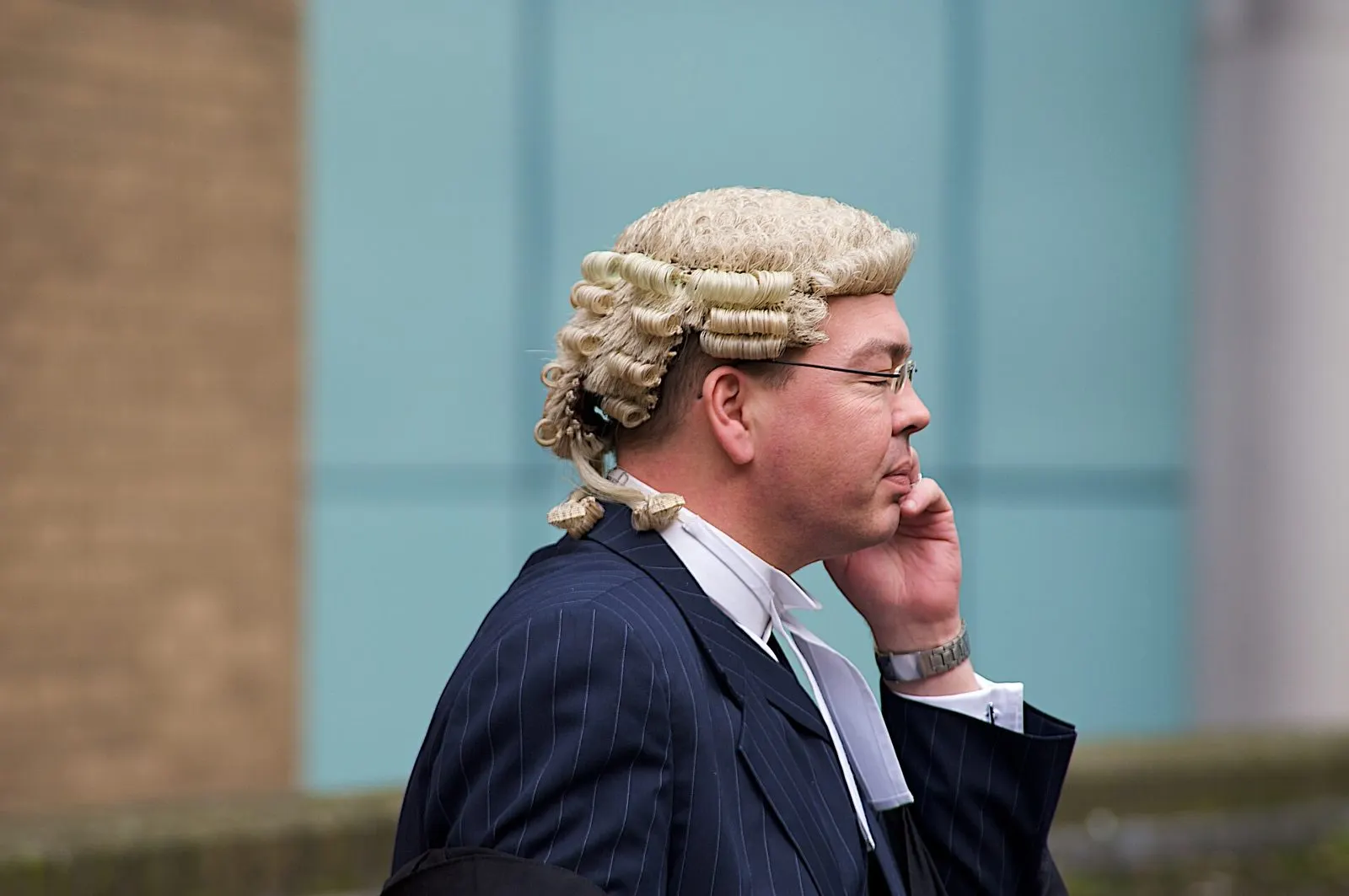 A barrister in robes standing outside Southwark Crown Court in London.
Credit: Wikimedia Commons, CC BY-SA 2.0, by Southbanks.
What Brand told the court about his career
Brand's career before the trial is part of why the case has attracted wide attention. He became known in the UK as a television presenter and comedian, later appearing in Hollywood films, and built a large online following as a commentator. That public profile means the trial is being followed beyond the courtroom, in entertainment coverage and on social media, where commentary about the case is often heated and one-sided. Court reporting, by contrast, is constrained by contempt of court rules and by the need to report proceedings fairly and accurately, without prejudging the jury's decision.
Our Entertainment section covers trials involving public figures in the same way: by reporting what was said in court, who said it, and what remains to be decided. Readers looking for wider context on UK courts can also see our News coverage and our World section for international court cases. The Straits Times republication of the Reuters report carries the same core account of Brand's evidence, as does the Tribune.
The personal impact described by Brand is not, on its own, evidence about the charges. A jury is directed to decide guilt or innocence on the evidence about the alleged incidents, not on sympathy for either side, and not on the consequences of publicity for the defendant or for complainants. Defence lawyers often ask defendants about the impact of publicity to give the jury context about why, for example, a defendant may have few character witnesses, or why contemporaneous support may be hard to obtain years after the events alleged. Prosecutors, in cross-examination, may test whether that account is complete, or whether other explanations exist. Both possibilities remain open at this stage of the trial.
Why this coverage is kept narrow
Court cases involving sexual offences carry strict reporting limits, and the way a case is covered can affect whether a trial is fair. That is why reputable court reporting sticks to what was said in open court, attributes claims to the person who made them, and avoids material that has not been tested in evidence. Our Opinion section does not prejudge live trials, and our Health and Science sections are separate from court reporting for the same reason: each section reports only what its sources establish. Readers who want to understand how Verity approaches sensitive stories can read Verity's About page.
What happens next
The defence case is now under way, with Brand himself giving evidence. After his evidence in chief and cross-examination, the defence may call further witnesses, or may close its case. The judge will then sum up the evidence for the jury and direct them on the law, including the burden and standard of proof. The jury will retire to consider verdicts on each count separately. A defendant can be convicted on some counts and acquitted on others, and the jury's verdicts may be unanimous or, if the judge allows, by a majority.
Until verdicts are returned, Brand remains an accused person who denies the charges, and the allegations remain allegations. Media coverage must not present the prosecution case as proven, nor the defence case as proven, and must not publish material that could prejudice the trial. That is why this article sticks closely to what was reported from the courtroom on Wednesday, attributes each claim to the person who made it, and avoids speculation about the outcome.
The trial continues at Southwark Crown Court. Further reporting will cover the remaining defence evidence, closing speeches, the judge's summing up, and the jury's verdicts when they are delivered. For now, the clearest summary of Wednesday's proceedings is the one Brand himself gave in the witness box: asked if he committed the alleged crimes, he said no; asked about the effect of the 2023 documentary on friends and colleagues, he said it was devastating, and that he had not persuaded any of them to give evidence for him.
For more court reporting, see Verity for the latest headlines, our Entertainment section, and our Politics section for related policy coverage. Background on the trial's progress is available from Reuters and from the trial summary at Particle News.


