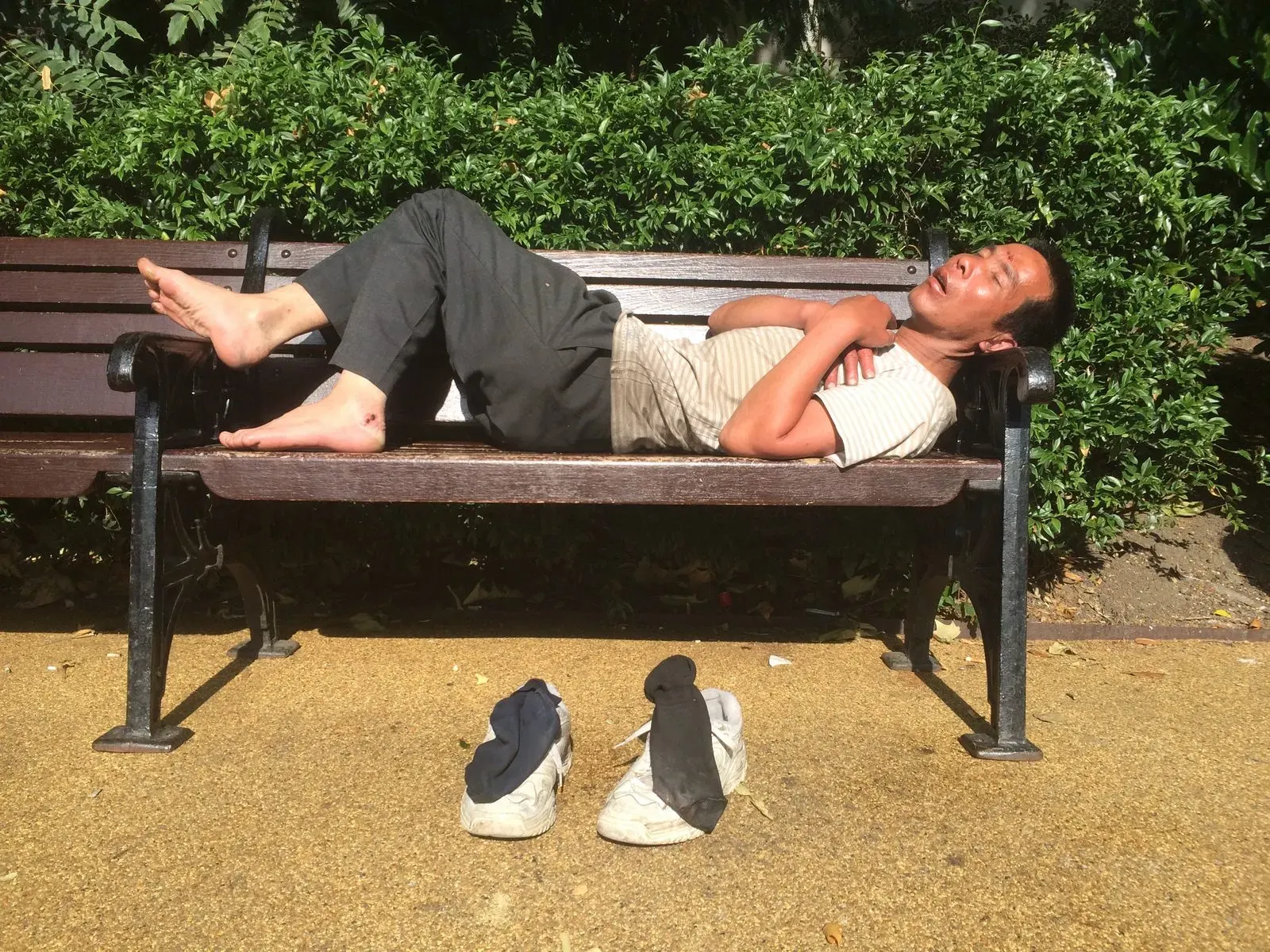
The money behind the prime minister's promise to clear England's streets of rough sleeping is about to double. Downing Street has indicated that a further 432 million pounds will be added in Wednesday's Budget, lifting the total committed to the plan from 442 million pounds to 874 million pounds. The pledge at the centre of it is a bold one: by Christmas, every person sleeping rough in England should either be able to move into accommodation or be offered support designed to stop them sleeping on the streets. The BBC report on the funding announcement sets out how the commitment is expected to work, and the decision will be one of the most closely watched parts of the Budget for readers following our Politics coverage.
Ending rough sleeping was one of the first promises Andy Burnham made when he entered Downing Street in July. On that day he announced a 442 million pound package for emergency accommodation and practical support. The new money changes the shape of that promise in two ways. It roughly doubles the cash, and it stretches the timetable, so support no longer runs out in March 2027 but continues to the end of this Parliament. Reporting by Reuters on the funding commitment said the plan offers accommodation and support through the winter months and beyond, with the chancellor, John Healey, due to confirm the figures in his first Budget on Wednesday.
What the commitment actually promises
The wording of the pledge matters, and ministers have been careful with it. The understanding in government is that every rough sleeper will be able to physically move into accommodation by Christmas, or will be offered support as a way of preventing them from sleeping rough. Some people may choose not to accept a bed or a room, and officials accept that no government can force someone indoors. In those cases, the promise is that help will still be offered and outreach teams will keep trying.
That distinction will decide how the policy is judged in December. A count of people still on the streets on Christmas night will not, on its own, tell ministers whether they kept their word, because the test they have set themselves is about the offer being real and available. The National Housing Federation, which represents housing associations, is working with its members to find at least 2,000 potential homes and bed spaces that could be used under the plan. Early provision linked to the first round of funding has already started, with specialist outreach teams and new bed spaces operating in Coventry and further provision being rolled out in places including Plymouth and Camden in north London.
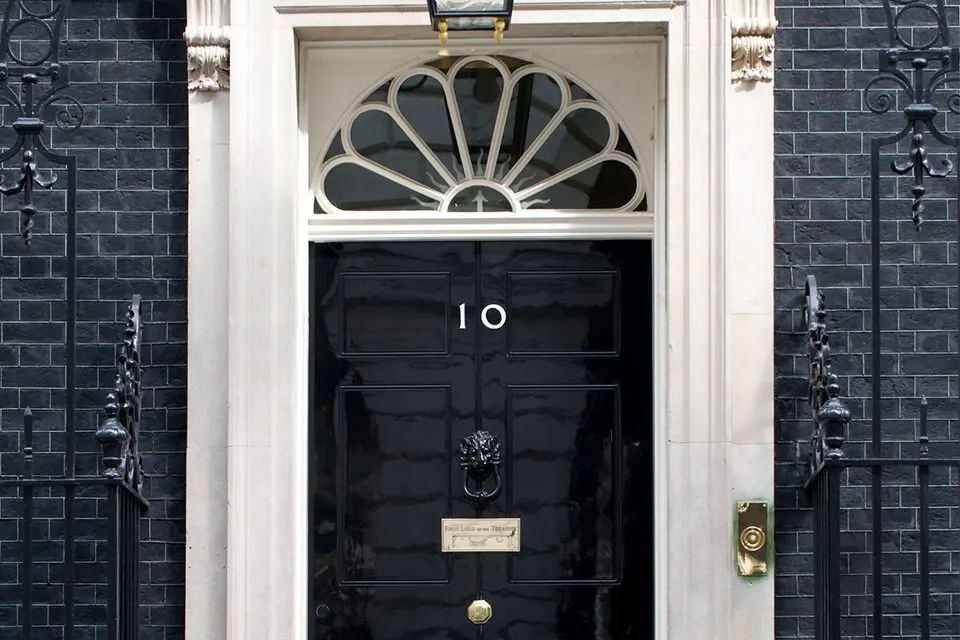 The black front door of 10 Downing Street in London
UK Government, Wikimedia Commons, Open Government Licence 3.0
A summit at Downing Street
The funding announcement lands on the eve of the first Rough Sleeping Summit, which the prime minister hosts at Downing Street on Monday. Charities, businesses and local leaders have been invited to No 10 to discuss how the plan can be delivered and how it can last beyond one winter. More than 30 organisations have pledged support for the effort, according to the government.
Burnham set out his thinking ahead of the meeting. "Rough sleeping isn't a fact of life. It's a thing governments either choose to accept or don't," he said, adding that he does not accept it and that the doubled funding is meant to give people a safe route off the streets this winter and the same support through the rest of the Parliament. He also stressed that the government cannot do it alone, which is why the summit brings together firms, charities and councils in one room.
Housing Secretary Angela Rayner described the Christmas target as a big ambition and said the government would not back down from making sure everyone has the offer of a route off the streets. She said the first step is giving people a roof over their head, but that Christmas is only the beginning, with work continuing on the root causes of homelessness. The charity Shelter welcomed the announcement, with its acting chief executive Mairi MacRae saying the funding showed ministers understand that a safe home is a necessity, not a privilege. Fellow homelessness charity Crisis works with people sleeping rough across the country and has long argued that emergency beds must lead to settled homes if progress is to hold. Reaction across the wider News agenda will test how far that welcome extends once the Budget detail is published.
The scale of the problem
The figures explain why the government has chosen to move now. The most recent official snapshot estimated that 4,793 people slept rough on a single night in autumn 2025 in England. That is the highest figure since records began in 2010. A single night count is only a snapshot and misses many people who sleep rough on other nights, stay in cars or tents out of sight, or move between the street and temporary places to stay. Even so, it is the measure governments themselves use, and on that measure the problem has grown to a record size.
Greater Manchester, where Burnham was mayor for nine years, tells a mixed story that both sides use. Government figures cited in reporting put the number of rough sleepers across the city region at 444 in June 2026, up from 402 a year earlier. The A Bed Every Night scheme he set up as mayor now provides more than 600 beds a night for people who might otherwise be on the streets. When he first campaigned for the mayoralty in 2017 he promised to end rough sleeping in the region by 2020. Numbers fell sharply in his early years, from 268 in 2017 to 90 in 2021, but they rose again after that, and the target was missed. That history sits behind the opposition attack and behind the scepticism the Christmas pledge will face. Our Opinion section will carry the argument from both directions as the week goes on.
The opposition case
The Conservatives have not waited for the Budget to respond. Shadow housing secretary Katie Lam said rough sleeping had reached record highs under Labour and accused the prime minister of throwing another 432 million pounds at a problem he failed to solve in Greater Manchester. She said the government's answer was always "more taxpayers' money and more empty promises", and she argued that the chancellor should use the Budget to cut taxes for working people, bring the benefits bill under control and ease the cost of living instead of adding new spending.
That criticism frames the political risk in the plan. If street counts fall over the winter, the government will claim its approach of money, beds and outreach has worked where others failed. If the numbers stay high, or if people return to the streets after Christmas because the accommodation on offer was temporary, the opposition will say the record sums bought a headline rather than a result. The longer funding horizon is the government's answer to that charge, since support that runs to the end of the Parliament is harder to dismiss as a one season gesture. The Business section will examine what the extra spending means for the Budget sums as a whole.
What happens next
The formal announcement comes in Wednesday's Budget, when Healey is expected to confirm the 432 million pounds and set out how it will be allocated. Councils, housing associations and charities will then need to turn a national total into named beds, rooms and outreach workers in specific towns and cities, and to do it before the coldest weeks of the year. The summit on Monday is the starting gun for that work.
For the people the policy is about, the test is simpler than the politics. A route off the streets has to exist on the night they need it, in the place where they are, with support that does not vanish in January. The government has now put 874 million pounds and a Christmas deadline behind that test, and the official counts published in the new year will show how close it came. You can follow the Budget and the fallout from the Verity homepage as the week unfolds, and background on government services is available through GOV.UK.