Reform UK Leader Faces Scrutiny, Set to Announce Future in Public Life
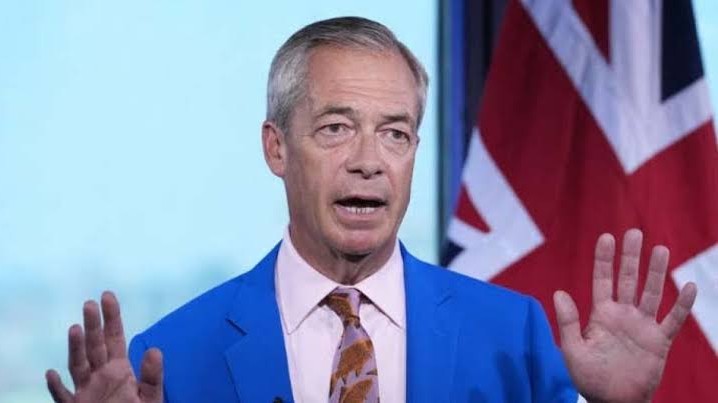
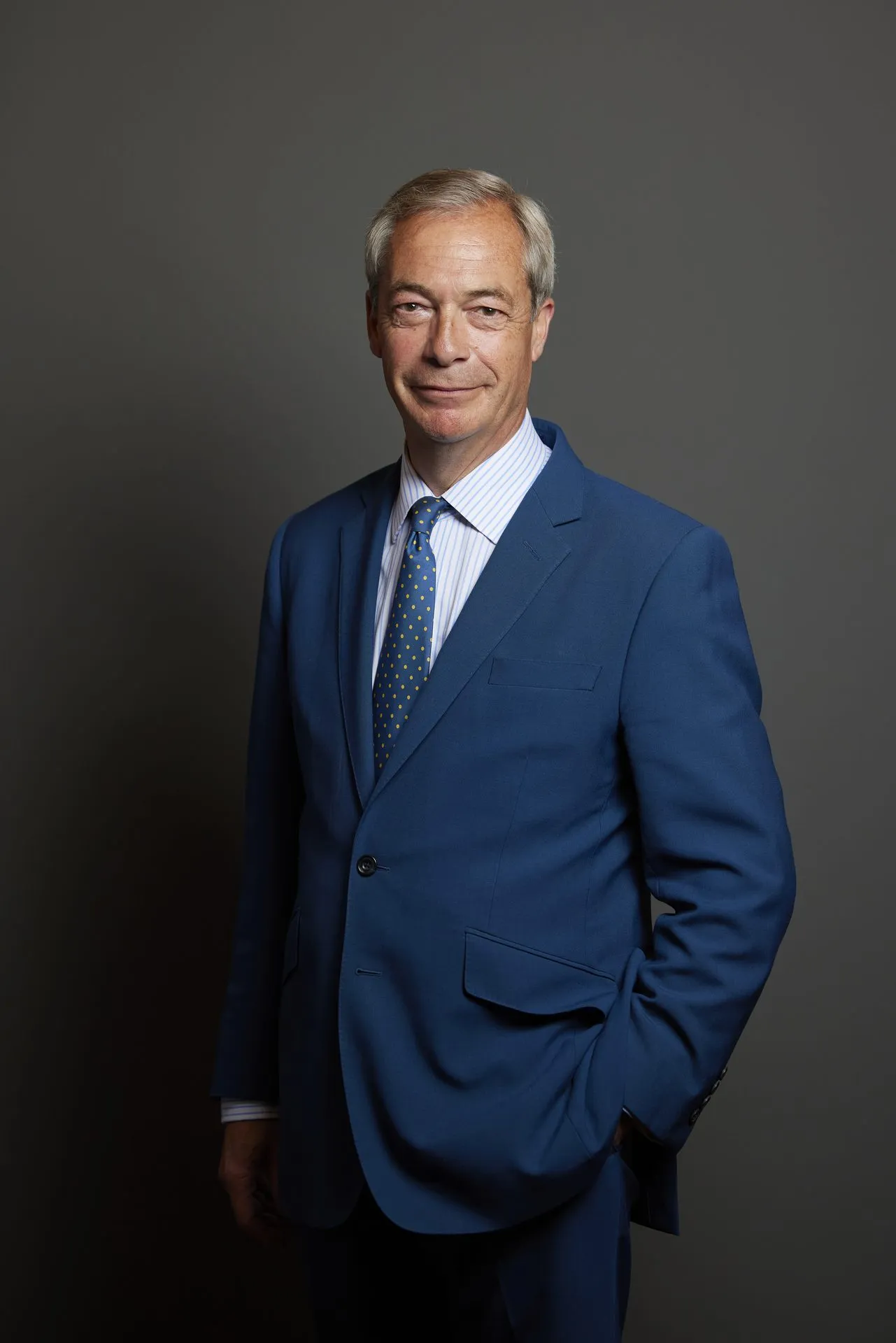
A significant announcement is anticipated from the leader of Reform UK, who is poised to make a definitive statement regarding their future involvement in public life, a development that has sent ripples across the political landscape. This pivotal moment arises amidst intense scrutiny surrounding financial support received by the prominent figure prior to their tenure as a Member of Parliament, raising questions about transparency, accountability, and the ethical standards expected of those in public service.
The impending declaration carries substantial weight, not merely for the individual in question but for the trajectory of Reform UK and the broader discourse on political integrity within the United Kingdom and internationally. As the nation watches, the statement is expected to address the mounting pressure and provide clarity on the path forward for a figure who has been central to several transformative political moments.
The political arena is abuzz with speculation as the leader of Reform UK prepares to address the nation concerning their 'future in public life'. This phrase, loaded with implication, could signal a range of outcomes: from a strategic repositioning within the party, a shift in political focus, or even a complete withdrawal from frontline politics. Such an announcement from a figure of this stature is rarely made lightly and typically comes at a critical juncture, often in response to internal party dynamics, shifting public opinion, or, as in this case, intense external pressure.
The immediate catalyst for this statement is the escalating scrutiny over the financial support the leader received before assuming the role of an elected representative. This period, prior to holding parliamentary office, is often viewed through a different lens than an MP’s declared interests, yet the public and media increasingly demand retrospective transparency from those aspiring to or holding positions of power. The intensity of this scrutiny suggests a sustained campaign of inquiry, compelling a public response from the party leader.
The timing of the announcement itself is strategic. It could be a pre-emptive measure to control the narrative, an attempt to draw a line under the ongoing investigations, or a calculated move to seize the political initiative. Regardless, the decision to publicly address one's future in such terms underscores the seriousness of the allegations and the potential impact on the individual's political viability and the integrity of the party they lead. This event highlights the relentless nature of modern political accountability, where past actions are perpetually subject to re-evaluation under the glare of public expectation.
The core of the current pressure on the Reform UK leader stems from revelations regarding financial support received before their time as an MP. The nature of 'financial support' can vary widely, encompassing everything from donations, loans, payments for services rendered, to undisclosed business dealings. For a public figure, particularly one who has consistently championed transparency and accountability, any ambiguity around such arrangements can quickly erode public trust and invite rigorous examination.
The distinction of this support being 'before becoming an MP' is crucial. While elected officials are bound by strict rules regarding the declaration of interests, gifts, and income, private citizens generally operate under fewer public disclosure obligations. However, once an individual enters or seeks to enter public life, their past financial dealings become fair game for scrutiny, particularly if they could imply conflicts of interest, undue influence, or a lack of ethical probity. The public increasingly expects a holistic view of a politician's financial history, seeking assurance that their motivations are purely in the public interest.
Ethical dimensions are paramount here. Even if no laws were broken, the perception of impropriety can be politically damaging. The questions likely revolve around the source of the funds, the terms under which they were received, whether they were appropriately declared at the time (if required), and whether they created any obligations that could compromise future decision-making in public office. This intense focus underscores a broader societal shift towards demanding higher ethical standards from political leaders, placing a premium on absolute transparency to maintain democratic legitimacy. The ongoing debate over political funding transparency remains a cornerstone of democratic health.
The leader of Reform UK is a figure synonymous with significant political upheaval and the reshaping of the national conversation. Their influence has extended far beyond the confines of a single political party, deeply impacting the trajectory of the United Kingdom's relationship with the European Union and fostering a potent strain of Euroscepticism that culminated in the nation's departure from the bloc. This historical context makes any statement about their 'future in public life' particularly resonant, as it touches upon a legacy of challenging the establishment and driving fundamental change.
Throughout their career, the prominent figure has been a vocal proponent of national sovereignty, often positioning themselves as an outsider challenging the perceived elite. This narrative has resonated with a significant segment of the electorate, allowing them to build a powerful political movement based on populist principles. The Reform UK party itself emerged from this tradition, aiming to further reform the political system and address issues such as immigration, taxation, and government spending, often from a distinctly anti-establishment perspective.
The potential shift in this leader's role could therefore mark a significant turning point, not just for Reform UK, but for the wider populist movement in the UK and potentially across Europe. Such a figure's decision to alter their public engagement could either signal a new phase for their political ideology or open up a void that other political forces will rush to fill. The examination of their financial history, therefore, isn't just about personal conduct; it’s about the foundational integrity of a movement that has fundamentally altered the nation's course. This scrutiny places a spotlight on the very essence of populist movements and their accountability.
An announcement concerning the Reform UK leader's future in public life carries profound implications for the party itself. Should the leader step back or significantly alter their role, it would inevitably trigger a period of introspection and a potential leadership contest within Reform UK. The party, largely built around the charisma and vision of its current leader, would face the challenge of maintaining its momentum and distinct identity without their singular presence at the helm. This could lead to a scramble for succession, internal divisions, or a re-evaluation of the party's core strategy and electoral objectives.
Beyond Reform UK, the reverberations would be felt across the entire UK political landscape. For the Conservative Party, which often competes for similar voter demographics, a change in Reform UK's leadership or direction could present both opportunities and challenges. It might free up some voters to return to the Conservatives or, conversely, create space for a new, even more potent populist force to emerge. Similarly, opposition parties like Labour and the Liberal Democrats would be closely observing any shifts, seeking to understand how the dynamics of the right-wing electorate might be altered, potentially influencing their own campaign strategies for future elections.
Moreover, this situation contributes to the ongoing narrative about political integrity and the standards expected of public figures. The intense scrutiny over financial dealings, particularly those predating parliamentary service, reinforces the public's demand for greater transparency from all political actors. This could prompt a wider debate on electoral reform, declaration of interests, and the funding of political campaigns, pushing for stronger regulatory frameworks. The outcome of this statement and its aftermath will undoubtedly shape public discourse on political ethics for months to come, influencing how parties and candidates are perceived by an increasingly discerning electorate.
The situation unfolding with the Reform UK leader is not an isolated incident but rather a microcosm of broader global trends concerning populism, political transparency, and democratic accountability. Across democracies worldwide, prominent populist figures have risen to power or wielded significant influence by tapping into public disillusionment with established political systems. Yet, these figures often find themselves subject to intense scrutiny over their personal finances, past dealings, and the sources of their political support, mirroring the challenges faced by the Reform UK leader.
The global rise of populism has been met with increased public demand for accountability, especially concerning financial probity. Citizens in many countries are increasingly wary of opaque funding mechanisms and potential conflicts of interest, pushing for stricter disclosure laws and more robust oversight bodies. The scrutiny faced by the Reform UK leader resonates with similar debates in the United States, where questions about campaign finance and personal wealth have frequently embroiled political candidates, or in continental Europe, where politicians face constant examination of their business ties and sources of income.
This episode, therefore, serves as another data point in the ongoing global conversation about the health of democratic institutions and the role of the media in holding power to account. The interconnectedness of modern information flows means that events in one nation, particularly those involving high-profile populist figures, can quickly become reference points for similar discussions elsewhere. It underscores a universal challenge: how to balance individual privacy with the public's right to know about the financial integrity of those who seek to govern them. The response to this situation in the UK will be observed keenly by those navigating similar political landscapes and ethical dilemmas around the world, potentially influencing standards on an international scale.
As the moment for the Reform UK leader's statement approaches, an atmosphere of intense anticipation and uncertainty hangs over the political scene. The nature of the announcement will undoubtedly define the immediate future for Reform UK, potentially initiating a period of significant transition or reaffirming the leader's commitment to a revised political strategy. Whatever the specific content, the statement is expected to be a pivotal moment, shaping the party's direction and its standing within the UK's dynamic political ecosystem.
For the wider political landscape, the ramifications will extend to how other parties position themselves, how the media frames narratives around political integrity, and how the public perceives the enduring challenges of transparency in governance. The scrutiny over financial support received before becoming an MP has brought to the forefront critical questions about the ethical thresholds for public service, questions that will continue to resonate long after the immediate announcement.
Ultimately, this event underscores the relentless demands of modern political life, where the past is perpetually under review and public trust is a fragile commodity. The Reform UK leader's statement will not only address personal future but will also contribute to a larger, ongoing dialogue about the essential qualities of leadership and accountability in a democratic society, leaving a lasting imprint on the national consciousness regarding the standards expected of those who aspire to lead.
Learn More