
A night of hope in Newcastle
RAYE is the winner of the 2026 Mercury Prize. The 28-year-old singer took British music's most prestigious album award on Thursday night for her second studio album, This Music May Contain Hope, at a ceremony held in the northern English city of Newcastle — the second consecutive year the event has been staged there.
Fans inside the city's Utilita Arena went wild as RAYE, draped in a feather bolero, took the stage to accept the award. "I'm just so grateful," she told the cheering crowd, before reflecting on the word at the heart of her record. "Hope is a very cheesy word — especially for us British people," she said. "But hope is just something that we all need, and I think music is that... music is medicine."
The win caps a remarkable run for the singer from Tooting, south London, whose real name is Rachel Agatha Keen — and it adds one of the most respected trophies in British music to a collection that already includes a record six wins at the 2024 BRIT Awards and a Grammy earlier this year.
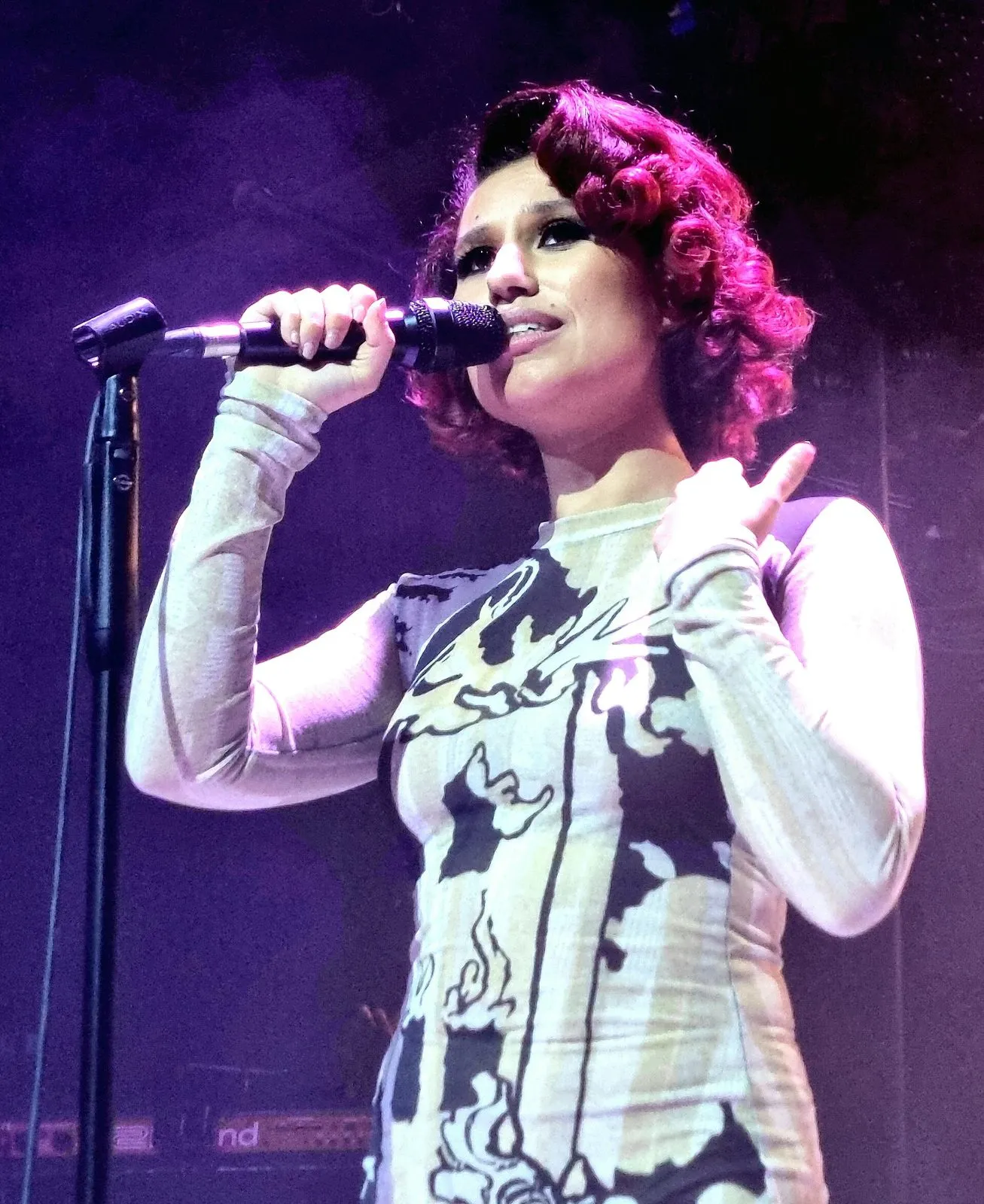 RAYE performing at Pryzm in Kingston
Credit: Drew de F Fawkes / Wikimedia Commons (CC BY 2.0)
The judges' verdict
The judging panel was effusive about the winning record. They praised the "scale, structure, ambition and sheer charm" of the 73-minute album, which blends jazz, orchestral pop, funk and other genres into a sprawling statement of intent. "Raye displays real imagination and scope in showing what an album can be, going beyond any one style or genre to realise her vision," the panel said. "The judges agreed that Raye's superb album will serve as a huge inspiration for years to come." The Mercury Prize, first handed out to Primal Scream in 1992, shortlists 12 albums released by British and Irish acts in the UK in the past year. It is considered less mainstream than the BRIT Awards — Britain's pop music honours — and is open to all genres, which is why its shortlists so often capture the breadth of what is actually being made and heard. The winner receives £25,000 (about $33,495).
Beating the legends
RAYE's competition was formidable. This year's shortlist included veteran Paul McCartney, nominated for his album The Boys of Dungeon Lane, and past winners Suede and Dave, shortlisted for Antidepressants and The Boy Who Played The Harp respectively. The nominees also featured singer Olivia Dean — among the favourites after winning big earlier in 2026 at the BRITs, where she claimed four awards including Album of the Year for The Art of Loving, weeks after the 27-year-old won the Best New Artist Grammy. Former Little Mix star Jade was shortlisted for That's Showbiz Baby!, and producer Nia Archives for Emotional Junglist. The rest of the dozen comprised Knats (A Great Day In Newcastle), Kojey Radical (Don't Look Down), Dove Ellis (Blizzard), Florence + the Machine (Everybody Scream) and Help (2), a compilation album by various artists released for the charity War Child. Sam Fender won the prize last year for his third album, People Watching.
A performer to the last
Both RAYE and Dean were among the many nominees to perform at Thursday's ceremony, with indie-pop legends Pulp — shortlisted in 2025 — also playing on behalf of the nominated Help (2) compilation, which they feature on. RAYE performed the jazzy "I Hate The Way I Look Today", underlining the genre-spanning ambition the judges had praised. The judging panel itself reflected the prize's broad church: it included composer and broadcaster Afrodeutsche, musician and broadcaster Jamie Cullum, BBC Radio 1's Sian Eleri, Kerrang! creative director Phil Alexander, The Times chief rock and pop critic Will Hodgkinson, and Jeff Smith, head of music for BBC Radio 2 and 6 Music.
From independence to the industry's top table
RAYE's Mercury win is the latest chapter in one of British pop's great comeback stories. After parting ways with her former major-label deal, she rebuilt her career as an independent artist, writing and performing with a freedom that has become her signature. The six BRIT Awards she collected in 2024 remain a record for a single night — a haul that announced her arrival as a defining British artist of the decade — and she bagged a Grammy in January. Her journey has also made her a powerful voice on the business of music itself, and her success as an independent act has been held up as a template for artists seeking to keep control of their work. Thursday's prize, judged on artistic merit rather than sales, is arguably an even more fitting recognition of what she has built. The win places her in a lineage of Mercury laureates that stretches from Primal Scream through to last year's winner Sam Fender — artists whose victory said something about where British music was heading, not just where it had been.
What the win means
The Mercury Prize has a habit of accelerating careers, and RAYE's may hardly need the push — but the endorsement of the industry's most discerning panel is a different kind of validation from chart positions and streaming numbers. It says that This Music May Contain Hope, a 73-minute genre-hopping epic built around a word its own creator calls cheesy, is the album that best captured British music this year. As she left the stage in Newcastle, her message was simple: music is medicine, and hope is something we all need. On Thursday night, the medicine worked — for her, for the crowd in the Utilita Arena, and for anyone who needed to hear it. For more on this week's biggest entertainment stories, visit our Entertainment section — from Ella Langley's cancelled Tulsa show to the Celebrity Traitors launch watched by 15 million and the obituary of screen legend Eva Marie Saint. The Verity homepage carries the day's top stories.


