Grand Canyon Flash Flood Leaves Two Dead and 14 Missing as Rescue Operations Continue
Two people have died, and 14 others remain missing or unaccounted for after a sudden flash flood swept through parts of Arizona’s Grand Canyon, destroying bridges, damaging trails and forcing dozens of people to be airlifted to safety.
The flooding struck the Bright Angel Canyon and Phantom Ranch areas on Saturday afternoon, turning what had been a calm day into a dangerous emergency. Heavy rain sent fast-moving water, rocks, and debris through parts of the inner canyon.
The National Park Service (NPS) said search and rescue operations remain underway as authorities continue working to determine the whereabouts of people who may still be missing.
The incident occurred during the North American monsoon season, when storms can develop rapidly across the southwestern United States.
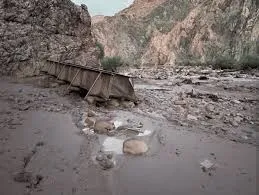
Visitors staying near Phantom Ranch, a remote lodging area at the bottom of the Grand Canyon, were caught off guard when heavy rain triggered flooding. Several structures and trails were affected, while footbridges were reportedly washed away by the force of the water.
One visitor, Nikki Baggs, described the experience as frightening. She and two friends had recently arrived at Phantom Ranch and were preparing to enjoy the area when the weather suddenly changed.
They moved toward higher ground as the water began moving through the area. Rangers later directed groups of visitors to safer locations while evacuation operations were organised.
Baggs said the coordinated response by park personnel helped visitors remain calm despite the rapidly changing conditions.
Authorities have confirmed that at least two people have died in connection with the flooding.
The body of a 46-year-old man was recovered near Crystal Rapids along the Colorado River on Sunday evening.
Meanwhile, officials initially sought information about 15 people believed to be missing or unaccounted for. The latest update from the National Park Service puts the number at 14 people still missing or unaccounted for.
Search and rescue teams continue to assess affected areas and gather information about hikers and backpackers who were travelling through the Bright Angel Creek corridor when the flooding occurred.
The difficult terrain and damaged infrastructure have made evacuation operations particularly challenging.
So far, 62 people have been airlifted out of the affected area, according to the information released by authorities.
The operation involved moving visitors away from areas affected by flooding and infrastructure damage. Rangers also directed people toward higher ground as additional storms remained possible.
The incident highlights the risks associated with flash flooding in desert environments, where visitors may encounter dangerous conditions with very little warning.
The flooding has caused substantial damage to infrastructure inside the national park.
Among the most significant concerns is the Transcanyon Waterline, an important system that supplies water to visitors and approximately 2,500 people living and working in the park.
Preliminary assessments indicate that around 40% of the waterline was damaged or destroyed.
Several footbridges were also swept away or severely damaged, while trails in the affected region have been closed.
The damage has forced the National Park Service to make additional changes to visitor operations. Overnight guest lodging on the South Rim is being suspended until further notice because of the impact on the park's water infrastructure.
Flash floods can be particularly dangerous in the Grand Canyon because water from storms can rapidly move through narrow canyon channels.
The region is currently experiencing the North American monsoon season. During this period, shifts in atmospheric circulation bring warm, moisture-rich air northward from areas around the Gulf of California and the tropical Pacific.
When this moisture encounters mountainous terrain, thunderstorms can develop.
The problem is that storms may be difficult to precisely locate and can develop or move quickly. Desert ground can also have difficulty absorbing intense rainfall, allowing large amounts of water to flow rapidly across the landscape.
This combination can create dangerous conditions for hikers, campers and other visitors in canyon areas.
Weather officials have warned that the danger has not yet passed.
Additional thunderstorms and heavy rainfall were forecast across parts of the region, raising the possibility of further flash floods, debris flows, rockfalls and sudden changes to trail and river conditions.
Flood watches have covered portions of Arizona, New Mexico, Utah and Colorado as storms continue across the southwestern United States.
The North American monsoon season typically continues through September, meaning the potential for heavy rainfall and flash flooding remains for several more weeks.
The Bright Angel Trail is among the most popular hiking routes in the Grand Canyon, attracting large numbers of visitors each year.
However, conditions following the flooding have changed significantly.
The National Park Service has closed affected trails and is warning visitors about unstable conditions, damaged infrastructure, and the possibility of additional severe weather.
Authorities have also asked anyone with information about hikers or backpackers who were in the inner canyon near the Bright Angel Creek corridor on Saturday to contact park officials.
The Grand Canyon attracts millions of visitors every year, but its dramatic landscape can also create serious challenges during extreme weather.
A sunny and seemingly safe day can change rapidly when thunderstorms develop upstream. In a canyon environment, visitors may be unable to see the storm itself while floodwater from rainfall farther away moves toward them.
The latest disaster serves as a reminder that visitors should pay close attention to weather warnings, ranger instructions, and official park closures, particularly during monsoon season.
For rescue teams, the priority now remains locating those still unaccounted for, assisting affected visitors and assessing the extensive damage caused by the flood.