In Short (TL;DR)General-sale tickets for Glastonbury 2027 sold out in 42 minutes after going on sale at 09:00 BST on Sunday. At £408 including the booking fee — up £29.50 on 2025 — they are the most expensive in the festival's history. Coach packages sold out in under 30 minutes on Thursday. Headliners remain unannounced, and a resale of cancelled or returned tickets will take place in spring 2027, after a balance-payment deadline in early April.
Thousands of would-be festival-goers were sitting in an online queue at 09:00 BST on Sunday morning, payment details at the ready and hopes high. Forty-two minutes later, it was all over. General-sale tickets for Glastonbury Festival 2027 sold out in well under an hour, the organisers confirmed, as the famous Somerset event prepared to roar back to life after its scheduled fallow year.
Demand, the festival acknowledged, "greatly exceeded supply". In a message posted on Instagram, the team thanked everyone who had managed to secure a ticket and apologised to those who had missed out, adding: "There will be a resale of any cancelled or returned tickets in Spring 2027." For the many who woke up early only to watch the ticket page turn to "sold out", it was a familiar Glastonbury heartbreak — but not the end of the road.
The Sunday morning sale followed the now-familiar Glastonbury ritual: a mass online queue, split-second timing and a large dose of luck. Thousands of fans joined the queue the moment sales opened, and the allocation was gone before many had even reached the front. It was, by the festival's own account, one of the fastest sellouts in its history.
The coach-and-ticket packages, which went on sale on Thursday evening, had already set the tone, disappearing in under half an hour. Coach travel remains one of the most popular ways to reach Worthy Farm, and the Thursday sale is traditionally the first real test of demand for the year ahead. This time, it suggested Sunday would be brutal — and so it proved.
Buying a Glastonbury ticket is not as simple as clicking "buy". Everyone aged 13 or over who wants to attend must be individually registered before the sale, and each ticket carries the photograph of its registered holder, with security checks at the gates to make sure only that person is admitted. The system is designed to defeat touts — tickets are strictly non-transferable — but it also means there is no legitimate second-hand market to fall back on. Miss the sale, and the official resale is the only route back in. The festival's official ticket information page sets out the full terms, including the registration rules and the non-transferability policy that has underpinned every sale for years.
!The Pyramid Stage at Glastonbury Festival, Somerset
Credit: Sharon Loxton, CC BY-SA 2.0, via Wikimedia Commons
At £408 including a £5 booking fee — plus £11.25 postage and packing per order — the 2027 ticket is the most expensive in Glastonbury's history. The price is up £29.50 on 2025, a rise the organisers will say reflects the soaring cost of staging an event on this scale.
The long view is striking. A Glastonbury ticket cost £185 in 2010 and £318 in 2019; the price has more than doubled in sixteen years. Staging costs — from production and security to sanitation and medical cover for what is effectively a temporary city of hundreds of thousands of people — have climbed sharply, and festivals across the country have faced the same pressures. Glastonbury's organisers have long argued that the ticket price also sustains something beyond the music: the festival's charitable giving. The festival paid more than £4.2 million to over 300 good causes in 2025, including its three joint charity partners, Oxfam, WaterAid and Greenpeace, alongside humanitarian organisations and dozens of local Somerset causes.
For many buyers, the maths still works. Zoe Scott, who secured a ticket on Sunday, told the BBC "the price is totally worth it" — a verdict echoed across social media by fans who see five days of music, theatre, circus and comedy as unmatched value, whatever the headline figure.
Among those celebrating on Sunday were Nick and Helen Nugget, an Amersham couple with a particularly romantic reason to be at Worthy Farm in 2027: they met at Glastonbury in 2007, making next year's festival their 20th anniversary. Nick Nugget said he was "absolutely delighted" to have secured tickets for the milestone trip.
Dave, who bought tickets with his partner Sarah, felt the process itself had improved this year: "Actually it seems like it's fairer this year than it's ever been." It is a notable verdict in a sale that leaves so many disappointed — the queue system, for all its cruelty, at least feels transparent to those who get through.
But for every success story there was heartbreak. Mat Chapman, who had hoped to take his daughter Amy to the festival, was philosophical about missing out: "There's always next time. We'll fly the flag there one day." His is the attitude Glastonbury veterans know well: the sale is a lottery, and the only response is to try again.
Anyone who missed out on Sunday is not entirely out of luck. The organisers have confirmed a resale of cancelled and returned tickets in spring 2027 — historically the last realistic route into the festival. Ticket holders must also pay the balance on their tickets by a deadline in early April 2027; unpaid tickets are cancelled and fed into the resale, which last time took place in late April.
The festival's advice is blunt: use only official channels. Because every ticket is registered to a named individual with a photograph, touted tickets are worthless at the gate — a system that frustrates resellers but also means disappointed fans cannot simply buy someone else's ticket. The resale, when it comes, will follow the same registered-buyer rules as the main sale.
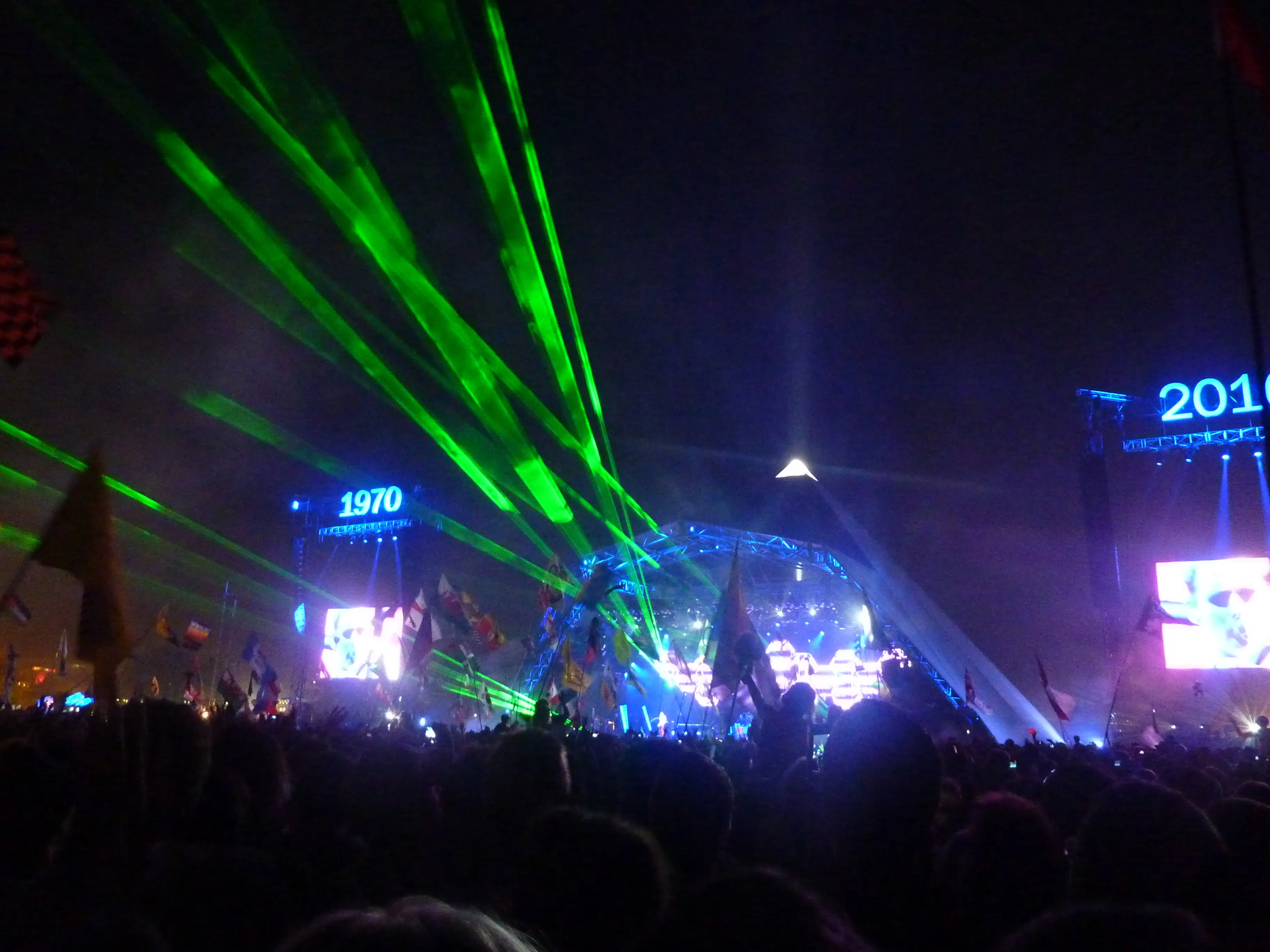
Remarkably, all of this demand arrived with the headliners still unannounced. The 2027 bill is a blank canvas, and the 42-minute sellout is a vote of confidence in the festival itself rather than any single act — in the Pyramid Stage at sunset, in the late-night corners of Shangri-La and Block9, and in the peculiar magic of Worthy Farm.
The fallow year has only sharpened the appetite. Glastonbury periodically rests the farmland — 2026 was the designated fallow year — and each return feels like a homecoming for an audience that treats the last weekend of June as sacred. The 2027 festival runs from Wednesday 23 June to Sunday 27 June, and the speculation over who will top the bill will now build for months.
There is also the Glastonbury effect beyond the music. The festival's charitable footprint keeps growing: alongside the £4.2 million paid to good causes in 2025, a Crowdfunder prize draw for the first 25 pairs of 2027 tickets raised a further £929,480 for Médecins Sans Frontières' medical work in Gaza and Sudan. More on the festival's charitable programme.
Elsewhere in entertainment this week, comedian Munya Chawawa turned to Shakespeare as he seeks a new creative challenge, Robert Pattinson drew praise for his dark new film Primetime at the Venice Film Festival, and unreleased early David Bowie recordings were announced for release. The music world also said farewell to Bonnie Tyler, who died at 75.
All eyes now turn to the line-up. Glastonbury traditionally drip-feeds its bill through the winter and spring, with the Pyramid Stage headliners the most feverishly speculated secret in British music. The balance-payment deadline in early April 2027 will then trigger the resale — historically the last realistic route in — before the gates finally open at Worthy Farm on 23 June. For those who missed out on Sunday, the festival's advice is simple: stay registered, be ready at 09:00, and check the official site — never the touts.
*VERITY is an independent digital news platform covering entertainment, world news, business and more. Read about our editorial standards.*