Senior doctors announce November walkout
Consultant doctors in England will stage a two-day strike next month in a dispute over pay and working conditions, the British Medical Association has announced. The walkout will begin at 06:59 GMT on 25 November and run for 48 hours, with consultants staffing emergency care only.
The announcement, first reported by the BBC, means hospitals will operate on arrangements similar to Christmas Day cover across the two days. Most routine and elective care is likely to be hit, as consultants, the most senior hospital doctors, withdraw from planned clinics and operations while keeping emergency services running.
The BMA said its consultants committee confirmed the dates after an emergency meeting last week, and warned that the action would be the first by consultants in England since 2023. The Times reported that 76 percent of consultants who took part in the ballot backed action, while Punch confirmed the 06:59 GMT start and the Christmas Day cover arrangement. The union said it had been in dispute with the government since May 2025, and that members delivered a mandate for strike action in a ballot held in July.
For readers following health news on Verity, the strike is the latest sign of strain in a service heading into winter with waiting lists still high and staff reporting heavy workloads.
What the union is asking for
At the heart of the dispute is pay. Consultants received a 3.5 percent rise this year, but the BMA says their pay has fallen by a quarter over 17 years once inflation is taken into account. The union argues that the long decline has damaged morale, pushed experienced doctors out of the NHS and made it harder to recruit and keep the senior staff on whom the service depends.
The BMA is also seeking changes beyond headline pay. It wants the standard working week cut from 40 to 35 hours, higher pay for out-of-hours work and changes to pensions, including greater flexibility over when they can be taken. Union leaders say burnout and workload are central to the dispute, not an afterthought, and that solving the pressures facing the health service will be impossible without valuing and retaining senior doctors.
Average consultant earnings top 150,000 pounds a year, and basic pay starts at 113,500 pounds, rising to 150,500 pounds for the most experienced, according to figures cited by the BBC. The government has pointed out that consultants have received roughly a 28.5 percent increase in basic starting pay over the past four years. The BMA replies that the longer view matters more, and that a quarter of real-terms value has still been lost since 2009.
The Verity news section has covered earlier NHS disputes, and the pattern is familiar: a ballot, a deadline for talks, and a strike date set to force movement before winter pressures bite.
How the ballot went
In the July ballot, 76 percent of participating consultants voted for strike action, a result the BMA described as reluctant but decisive. The union said September talks with the government failed to meet its deadline for progress by 16 October, and that it was then offered a meeting on 5 November, after the Budget.
The government has read the ballot differently. Officials noted that just over half of eligible BMA members took part, and that nearly half of NHS consultants are not members of the union at all. On that reading, the yes vote represents only around one in five consultants employed by the NHS in England. The BMA does not dispute the turnout figures, but says the mandate is clear among the consultants it represents.
BMA consultants committee co-chairs Dr Helen Neary and Dr Shanu Datta said the union had engaged with the government in good faith since entering dispute 18 months ago, proposing practical solutions, but that ministers had repeatedly kicked the can down the road. In their words, the road of negotiation had now run out, and the union had been forced to announce strikes.
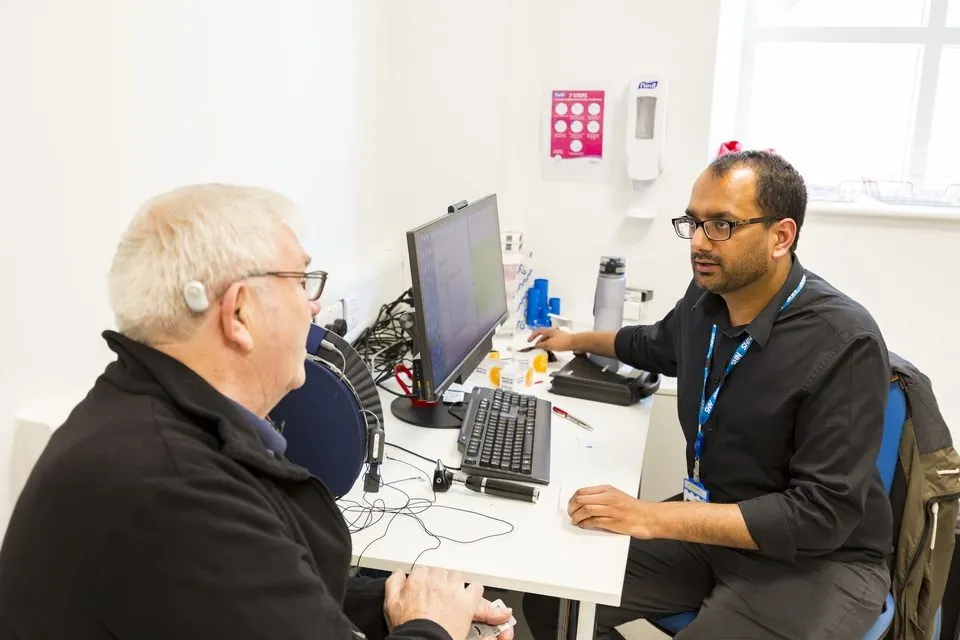 A doctor talking with a patient in a hospital setting, a file photograph.
Credit: UK Government, Open Government Licence v3.0. File photograph.
The government's response
Health Secretary Yvette Cooper described the announcement as very disappointing and said the Department of Health and Social Care and NHS England had been in constructive discussions with the union. She said taking industrial action as the NHS prepares for winter would be irresponsible, a view reported widely, including by The Sun.
The government case rests on two points. First, that a five-hour cut to the working week would reduce the time consultants spend treating patients, increase waiting times and cost taxpayers more than 2 billion pounds, according to health officials. Second, that the proposed 2.4 percent pay rise for all doctors in 2027-28, submitted in evidence to the pay review body in mid-October, is a reasonable offer in tight fiscal conditions. The BMA called that proposal a significant real-terms pay cut and an insult to hard-working doctors.
NHS leaders also warned of disruption. Sir Ciaran Devane, chief executive of the NHS Alliance, said leaders would be both astonished and dismayed, and warned that non-urgent outpatient appointments, elective surgeries and follow-ups would be postponed or rescheduled, according to Healthcare Management. He put the cost of industrial action over the past three years at more than 3 billion pounds, and urged both sides to find a resolution so the strikes do not go ahead.
The politics section will follow the negotiations closely, since the outcome will shape the government's wider approach to public sector pay.
What patients can expect
Patients with routine appointments on 25 or 26 November should expect disruption, though hospitals will contact those affected directly. Emergency care will continue, and consultants will staff urgent services at Christmas Day levels. That means accident and emergency departments, intensive care and other time-critical services keep running, while planned work waits.
The timing matters. Late November sits at the start of the winter pressure season, when respiratory illness rises and beds fill. A two-day loss of planned capacity does not just affect those two days, since postponed operations and clinics have to be fitted back into schedules that are already full. Previous rounds of NHS strikes showed how quickly backlogs rebuild after each walkout, and managers will be planning recovery clinics well into December.
Patients who are unsure whether an appointment is affected should check with their hospital rather than turning up unannounced, and anyone needing urgent care should still seek it in the normal way. Emergency cover is not withdrawn, and the BMA has stressed that consultants take their responsibilities seriously and that striking does not come naturally to the profession.
More health coverage is available on the Verity homepage, where strike news sits alongside the day's other major stories.
Could the strike still be called off?
Yes, and both sides have left the door open. The BMA has said the strike can be avoided if the health secretary commits to formal negotiations and takes meaningful steps on pay and conditions. The government says it remains in constructive discussions. The gap between those positions is real, but it is narrower than the language of the announcements suggests, since both sides agree that a negotiated settlement is better than a walkout.
The next milestone is the meeting offered for 5 November, after the Budget. If that meeting produces a timetable for talks on pay restoration, pensions and working hours, the strike could be suspended. If it produces only a restatement of the 2.4 percent proposal for 2027-28, the walkout is likely to go ahead as planned.
Consultants last struck in England between July and October 2023, in a series of walkouts that included joint action with resident doctors, then known as junior doctors. That dispute was eventually settled, but it left a legacy of mistrust that the current talks have not yet overcome. Whether this round ends differently will depend on what happens in the next two weeks.
The about page sets out how Verity reports industrial disputes, giving both sides fairly and attributing claims to their source. Readers can also reach the team through the contact page.