Britain's largest Jewish representative body has formally declared the Green Party of England and Wales a racist party. The Board of Deputies of British Jews passed the declaration at its October plenary meeting, voting by 118 to one for a motion that said the Greens had, by adopting an antisemitic platform, become a racist party. The BBC report on the declaration explains that the vote was a direct response to the Green Party's own conference decision earlier this month to adopt a policy describing Zionism as racism. The Board said it will now treat the Greens as it has treated other racist parties. The full text of the decision is published in the Board of Deputies statement on its website, and the row is likely to run through our Politics coverage for some time.
The Board is the UK's most democratically representative Jewish communal body. Its own statement says its membership comprises 309 deputies and 32 under 35 observers, drawn from synagogues and communal organisations across 201 constituencies, with 91 deputies representing regional communities. That structure is why its decisions carry weight in Westminster: the organisation presents itself as speaking through elected representatives of Jewish communities across the country, rather than as a single campaign group.
Why the Board says the policy crosses a line
The Board's argument is about identity. For many British Jews, its statement says, the connection to Israel is expressed through religious practice, family relationships, language, culture and the belief that the Jewish people have the same right to national self determination as any other people. Declaring that connection racist, the Board argues, has consequences for Jewish participation in public life and for the treatment of Jewish communal institutions.
Board president Phil Rosenberg put the point plainly after the vote. He said no political party has the right to tell Jews that "a central part of our identity", rooted in thousands of years of history, faith and peoplehood, is racist. He said the Green Party policy brands much of the Jewish community, including synagogues and communal organisations, with that slur, and that it gives prejudice against Jews a political licence. He called on the Green leadership to take responsibility for reversing the policy and for confronting the antisemitism he said it has legitimised.
The two deputies who moved the resolution made similar arguments in personal terms, according to reporting of the meeting. Ashley Hirst, who proposed it, spoke of inheriting 3,000 years of stories, language and memory connecting him to Zion, and welcomed what he called a clear message from British Jews. Max Royston, who seconded it, said Zionism is the belief that Jews have the right to national self determination in their homeland, and added: "Deny that to Jews alone, and it's racism." Coverage by the Jerusalem Post of the Board's decision also recorded Rosenberg commending Green members who had opposed the motion, including Jewish members whose warnings, he said, were disregarded.
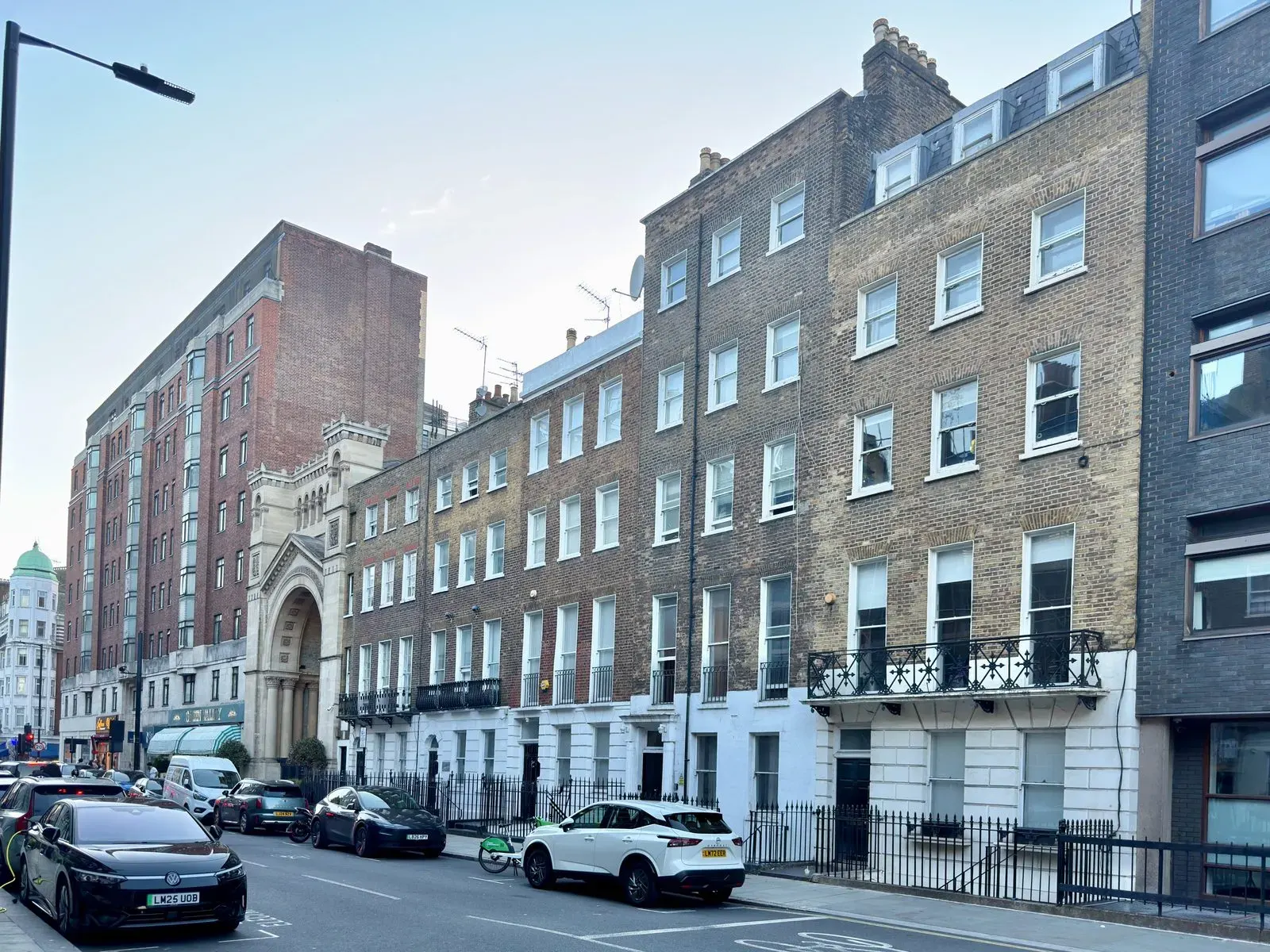 The exterior of West London Synagogue, one of the synagogues and communal organisations the Board says are branded by the Green Party policy
Oleg Yunakov, Wikimedia Commons, CC BY-SA 4.0
What the Board wants other parties to do
The declaration is not only a statement about the Greens. It also sets a test for every other party. The Board urged parties not to enter coalition agreements or other political arrangements with the Greens, at local or national level, unless the Green leadership involved has rejected the conference policy and committed to overturning it. Forming such deals without that rejection, the motion said, would amount to failing to take antisemitism with the requisite seriousness.
At the same time, the Board drew a distinction between the party and individual members. It said it will engage with and support any Green member who rejects the Zionism is racism resolution and calls for it to be reversed. Reporting by the Times of Israel on the declaration noted that this offer sits alongside the decision to treat the party itself as a racist organisation.
Labour has already moved in a similar direction. It has told local Green groups with which it shares power that they must disown the motion or lose Labour support. That ultimatum puts practical pressure on council arrangements around the country, where Labour and Green councillors govern together in some places, and it shows the Board's call landing in a debate that was already under way before Sunday's vote. Readers can follow the local fallout in our News coverage.
The Green Party response
The Green Party has rejected the Board's characterisation of both its motion and itself. A party spokesman said: "The Green Party does not discriminate against or exclude people for holding Zionist views." The spokesman said the motion passed at conference sets out political opposition to the ethnic cleansing and displacement of the Palestinian people. He added that the Board's decision would not stop the party speaking out about Gaza or pushing for stronger sanctions against the Israeli government and its leaders, using the word genocide for Israel's actions there. Israel has repeatedly denied that its actions in Gaza amount to genocide.
The party's position, as its spokesman set it out, is that the motion is a political statement about a state and its policies, not discrimination against individuals for their beliefs. That is the core of the dispute: the Board says defining Zionism itself as racism targets a part of Jewish identity, while the Greens say their policy targets the treatment of Palestinians and leaves room for members who hold Zionist views. The party restates its wider positions on its Green Party website, and the argument between those two readings will shape what happens next. Discussion of where the line sits is already running in our Opinion section.
Division inside the Green Party
The conference motion was not uncontested inside the Greens. Reporting of the conference said the policy was criticised by four of the party's five MPs and by two former leaders before it passed. The Times reported that the motion was carried at conference by 1,022 votes to 813, a substantial majority of those voting, but far from unanimous in a party that had debated the wording closely.
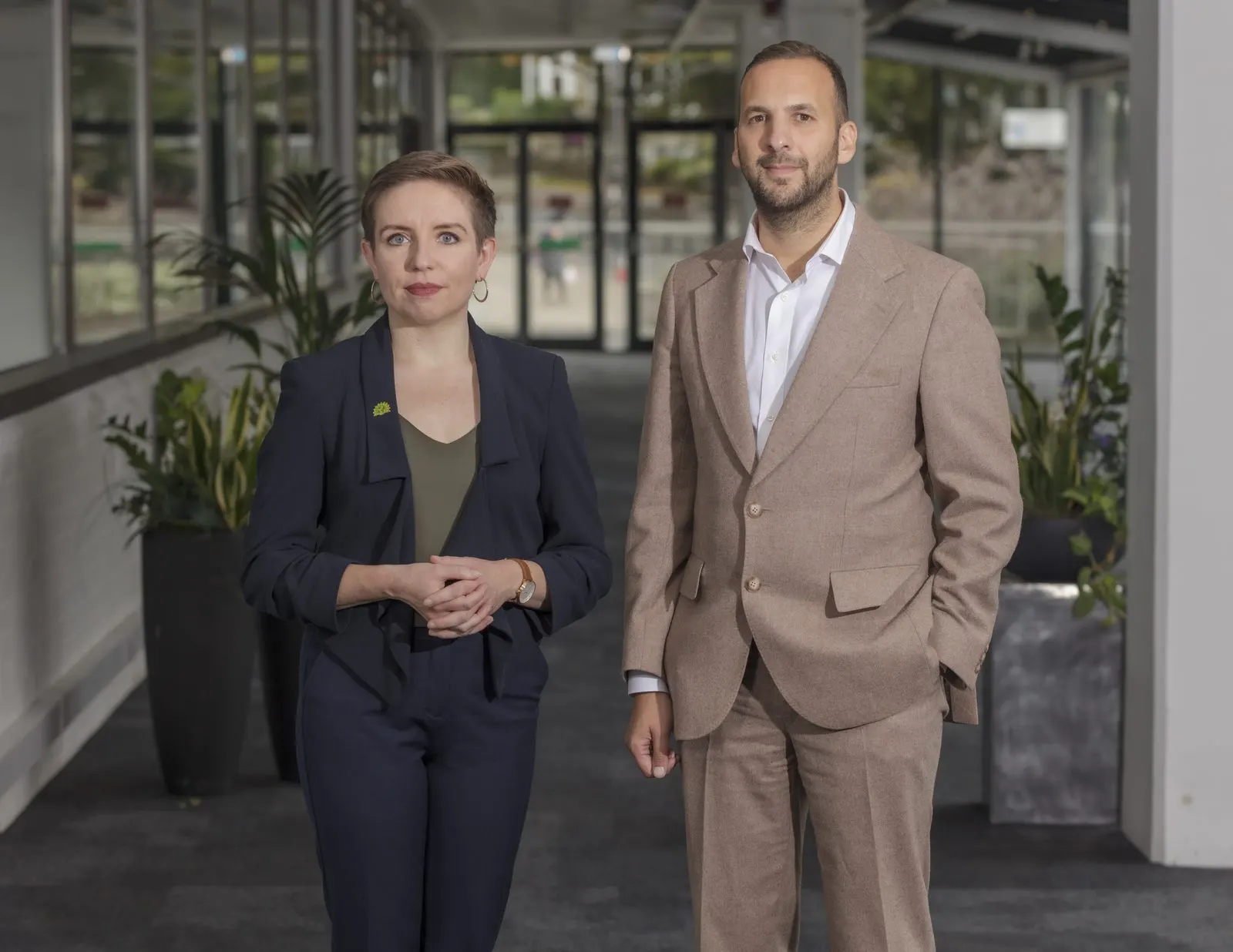
Leader Zack Polanski, who is Jewish, did not take part in the conference vote. Reporting said he left the conference early to campaign in a parliamentary by election. Since then he has said he would like to amend the policy but would not overturn it, and the BBC has reported that he has said he would not have supported the motion in its existing form and would have preferred an amended version. Under the party's rules, the policy is set to remain in place until 2028. That leaves the leadership in a difficult position: defending a policy its leader did not vote for, against a declaration from the country's largest Jewish body, while also holding together a membership that voted for the motion by a clear margin.
What happens next
Three things will now be watched closely. The first is whether other parties follow Labour's lead and attach conditions to working with the Greens, particularly in councils where coalitions are due to be renegotiated. The second is whether any Green groups or prominent members take up the Board's offer of engagement by publicly rejecting the motion, and what that does to party unity. The third is whether Polanski attempts the amendment he has talked about, and whether conference rules give him a route to change a policy that is otherwise locked in until 2028.
None of the main actors has signalled a quick retreat. The Board has set out its test in public and tied its own credibility to it. The Greens have said the declaration will not change what they say about Gaza or sanctions. Labour has already issued its ultimatum to local partners. The dispute therefore looks set to become a fixed feature of British politics rather than a one week row, and its effects will be felt first in town halls rather than at Westminster. You can keep up with developments from the Verity homepage and in our wider World coverage of the debates the Gaza war has opened in other countries.