In Short (TL;DR)Ukrainian President Volodymyr Zelensky is set to urgently press NATO leaders in Turkey for more advanced air defense systems and interceptor missiles, following a significant escalation in Russian aerial strikes targeting cities and critical infrastructure across Ukraine. The plea highlights Ukraine's critical need to bolster its defenses against sustained bombardments.
As Russia intensifies its aerial assault across Ukraine, President Volodymyr Zelensky is poised to make a fervent appeal to NATO leaders during an upcoming meeting in Turkey. The core of his message is an urgent and critical need for advanced air defense systems, particularly more interceptor missiles, to safeguard Ukrainian skies and protect its civilian population and infrastructure.
The plea comes in the wake of a brutal resurgence in Russian missile and drone strikes, which have targeted cities, energy grids, and vital civilian infrastructure across the country. These sustained attacks underscore a worrying escalation, designed to cripple Ukraine's ability to sustain its defense and exert immense pressure on its populace.
The Escalating Threat: Russian Aerial Offensive
Recent weeks have witnessed a significant uptick in the scale and sophistication of Russian aerial bombardments. Reports indicate a concerted effort to overwhelm Ukraine's existing air defense capabilities, employing a mix of ballistic missiles, cruise missiles, and Iranian-made Shahed drones. Cities like Kyiv, Kharkiv, and Odesa have borne the brunt of these assaults, leading to widespread power outages, destruction of residential buildings, and tragic loss of life.
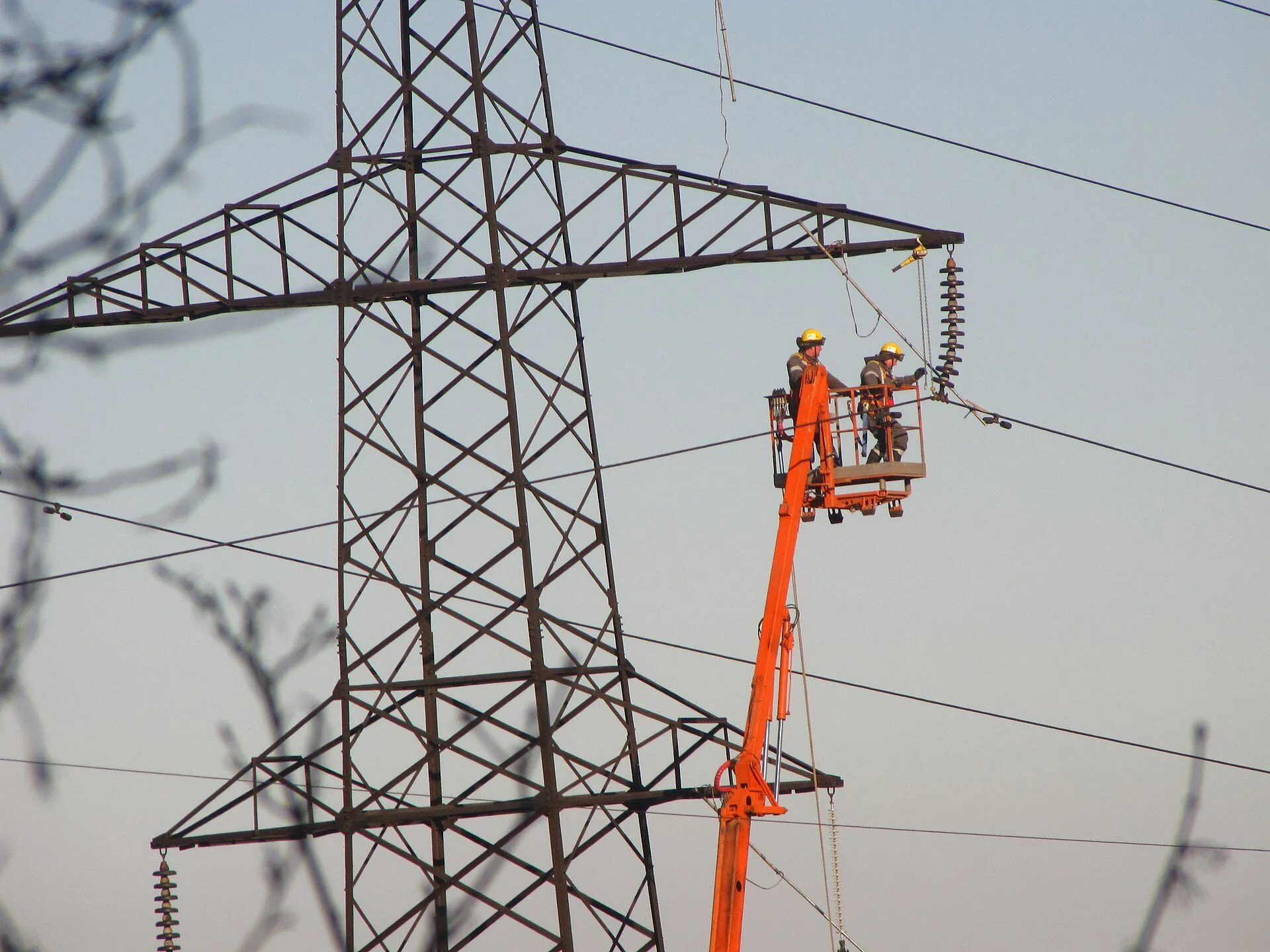
- Energy Infrastructure: A primary target, Russian strikes aim to undermine Ukraine's energy security, particularly as colder months approach.
- Civilian Areas: Deliberate targeting of residential zones and public spaces continues to cause immense suffering and displacement.
- Strategic Objectives: Beyond immediate destruction, the strikes seek to deplete Ukraine's air defense stockpiles, creating vulnerabilities for future ground operations or deeper penetrations into Ukrainian airspace.
These developments have been meticulously documented, painting a grim picture of the challenges facing Ukraine's defenders.
Zelensky's Stance: More Interceptors, Stronger Shield
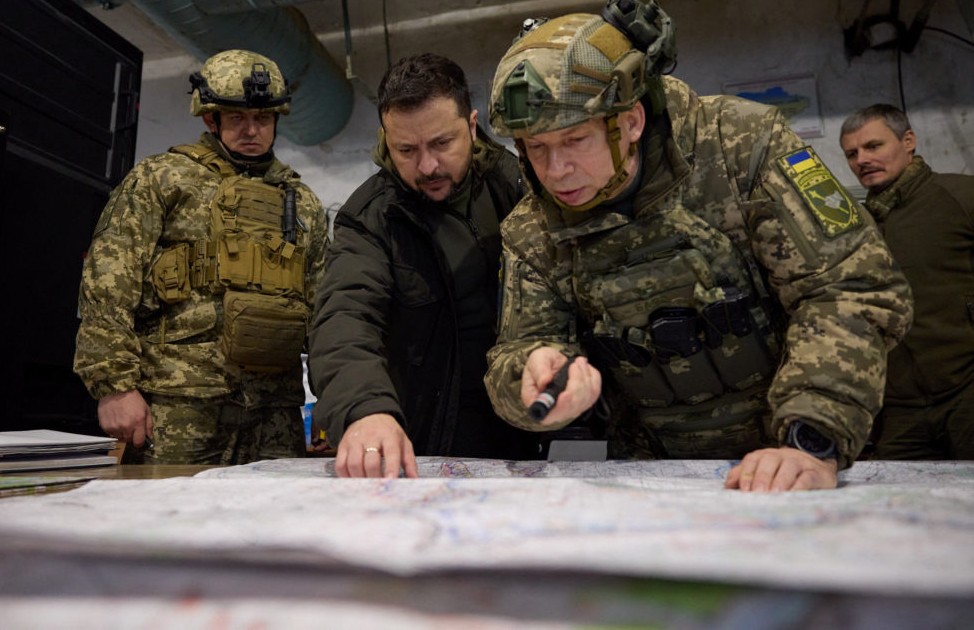
President Zelensky's upcoming engagement with NATO officials in Turkey is not merely a diplomatic formality; it is a critical juncture for reinforcing Ukraine's aerial shield. He is expected to present compelling evidence of the destructive capacity of recent Russian strikes and articulate the immediate necessity for an increased supply of interceptor missiles and associated launch platforms.
"We cannot afford to let our cities become easy targets," a presidential aide stated, speaking on background. "Every intercepted missile saves lives and preserves our critical infrastructure. The current pace of Russian aggression demands a commensurate response in defensive capabilities."
The focus on interceptor missiles highlights a specific and pressing need. While Ukraine has received advanced systems like the Patriot air defense system and NASAMS from Western partners, the sheer volume of incoming Russian munitions is rapidly depleting existing stocks. Replenishing these supplies is paramount to maintaining an effective defense posture.
NATO's Role: Balancing Support and Strategic Considerations
The NATO meeting in Turkey offers a platform for direct engagement between the Ukrainian leadership and key alliance members. While individual NATO nations have been instrumental in providing military aid, this meeting presents an opportunity for a coordinated and potentially accelerated response to Ukraine's urgent air defense requirements.
Discussions are anticipated to revolve around:
- Expedited Delivery: Strategies to fast-track the shipment of existing air defense systems and interceptor missiles.
- Increased Production: Exploring ways to boost the manufacturing capacity of critical components and munitions.
- Financial Aid: Securing further financial commitments to fund the acquisition and maintenance of sophisticated defense assets.
- Long-term Planning: Developing a sustainable framework for Ukraine's future air defense needs, beyond immediate crisis response.
The alliance faces a delicate balancing act: providing robust support to Ukraine without direct engagement that could escalate the conflict. However, the humanitarian and strategic implications of unchecked Russian aerial dominance are significant, making enhanced air defense a crucial component of Western assistance. A failure to adequately bolster Ukraine's air defenses could embolden further Russian aggression and prolong the conflict.
The Path Forward: A Call for Unified Action
President Zelensky's upcoming plea to NATO in Turkey serves as a stark reminder of the ongoing struggle in Ukraine and the persistent threat posed by Russian aggression. Securing additional air defense capabilities is not merely about military hardware; it is about protecting lives, preserving sovereignty, and reinforcing the principles of international law.
The outcome of these discussions will undoubtedly shape the trajectory of the conflict, determining Ukraine's ability to withstand relentless aerial assaults and, ultimately, its capacity to defend its future.