In Short (TL;DR)SUMMARY: US Launches Military Strikes on Iran After Strait of Hormuz Cargo Ship Attack Escalates Regional Tensions This represents a key global briefing verified by the VERITY newsroom.
Washington, D.C. — A fragile ceasefire between the United States and Iran has come under severe strain after Washington launched military strikes against Iranian military facilities, accusing Tehran of violating an interim agreement by attacking a commercial cargo vessel in the Strait of Hormuz. The latest exchange marks a significant escalation in tensions across the Gulf and has renewed concerns about regional stability, global energy supplies and maritime security.
According to U.S. military officials, the strikes targeted facilities believed to be used for storing missiles and unmanned aerial vehicles, along with radar installations positioned along Iran's southern coastline. American authorities described the operation as a direct response to a drone attack on a commercial cargo ship a day earlier, arguing that the assault endangered one of the world's busiest shipping corridors and threatened international commerce.
The incident has quickly intensified diplomatic tensions, with both Washington and Tehran accusing each other of breaching the ceasefire agreement that had temporarily reduced hostilities following months of military confrontation.
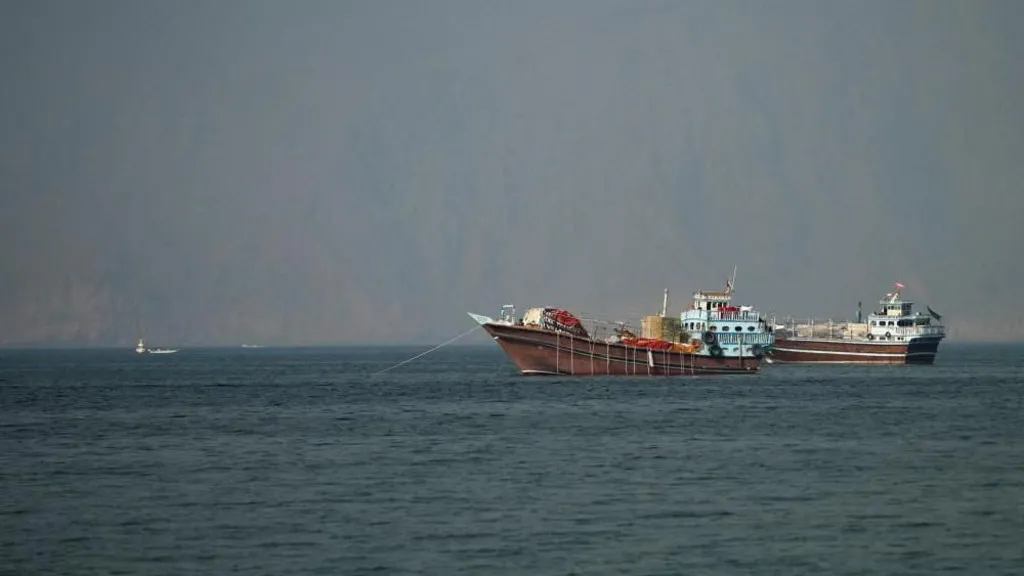
The latest crisis began after a Singapore-flagged cargo vessel travelling through the Strait of Hormuz was reportedly struck by a projectile while navigating one of the internationally recognized shipping routes.
Although the vessel suffered structural damage, shipping officials confirmed that all crew members remained safe and no environmental pollution was reported. Maritime authorities immediately launched investigations into the incident while regional naval forces increased monitoring of commercial traffic passing through the strategic waterway.
Iran defended its actions by claiming that the ship had entered an unauthorized transit route and therefore violated navigation procedures established after recent regional conflicts. The explanation was rejected by U.S. officials, who insisted that the vessel had been operating within internationally accepted shipping lanes.
The attack also forced international maritime organizations to suspend planned evacuation operations for thousands of sailors who remain stranded in the region because of continuing security concerns.
Within hours of the incident, the United States authorized a series of precision strikes against military infrastructure inside Iran.
Officials stated that the operation focused on facilities believed to support drone operations, missile storage and coastal surveillance systems. According to American military commanders, these installations played a role in threatening commercial navigation through the Strait of Hormuz.
The U.S. government described the strikes as a defensive measure designed to protect international shipping rather than an attempt to widen the conflict.
Military officials also reaffirmed that American naval forces would continue escorting and coordinating the safe passage of commercial vessels travelling through the Gulf.
Iran strongly condemned the U.S. military action, arguing that Washington had violated the terms of the temporary agreement intended to reduce military tensions in the region.
Iranian officials accused the United States of attacking during an ongoing diplomatic process and warned that such actions would undermine future negotiations.
Shortly after the American operation, Iranian authorities announced retaliatory strikes against locations they described as being connected to U.S. military forces in the region. While officials provided limited operational details, the announcement signaled Tehran's intention to respond rather than allow the attacks to go unanswered.
The exchange has further weakened hopes that the ceasefire negotiated earlier this month could evolve into a longer-term diplomatic solution.
The Strait of Hormuz continues to serve as one of the world's most strategically important maritime routes.
Connecting the Persian Gulf with international waters, the narrow passage carries a significant share of global oil and liquefied natural gas exports each day. Any disruption to shipping through the strait immediately attracts worldwide attention because of its potential impact on international energy markets.
Earlier military confrontations in the region had already reduced commercial shipping activity and increased insurance costs for vessels entering Gulf waters. Several shipping companies temporarily rerouted cargo while others delayed departures because of security concerns.
Although diplomatic efforts had recently encouraged renewed commercial traffic, the latest incident threatens to reverse that progress.
Following the attack, regional maritime security agencies issued fresh warnings to commercial operators navigating Gulf waters.
Several shipping companies announced they were reviewing voyage plans, while insurers continued assessing the security situation before determining future risk premiums.
Industry analysts note that uncertainty in the Strait of Hormuz affects far more than oil exports. The route is also critical for transporting chemicals, fertilizers, manufactured goods and other commodities that support global supply chains.
Any prolonged instability could increase transportation costs and place additional pressure on international trade at a time when many economies are still managing inflation and supply disruptions.
The latest military exchange comes despite weeks of diplomatic engagement involving regional mediators seeking to prevent further escalation.
Negotiators had previously announced an interim understanding intended to reduce military activity and guarantee the safe movement of commercial vessels through the Strait of Hormuz.
While both sides publicly expressed support for reducing tensions, disagreements over navigation rights, maritime security and regional military activity continued behind closed doors.
The latest developments suggest that those unresolved disputes remain major obstacles to achieving a lasting agreement.